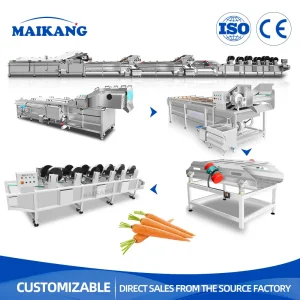
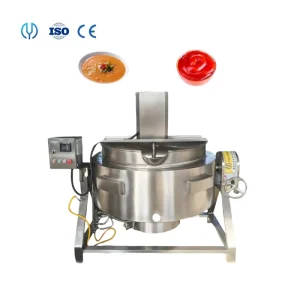
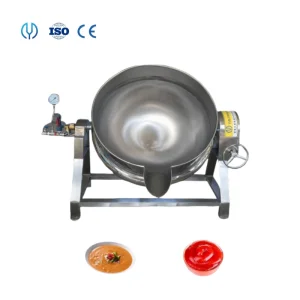
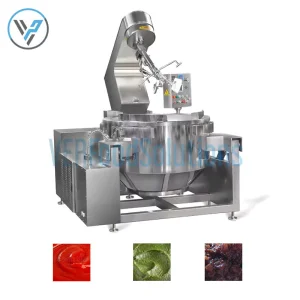
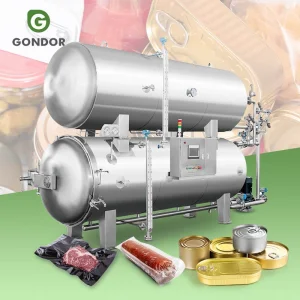
Explore our top-tier steam-cooking systems tailored for Uzbekistan's expanding commercial kitchens, fruit and vegetable packaging operations, and snacks processing facilities.
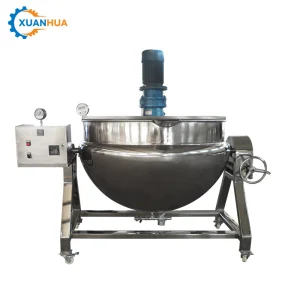
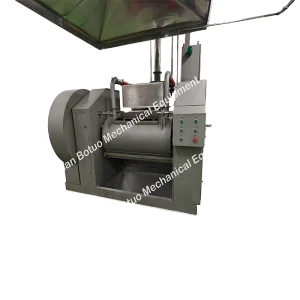
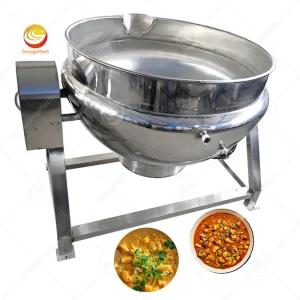
The food and beverage processing landscape in the Republic of Uzbekistan is experiencing an unprecedented phase of modernization. Under state-led initiatives targeting agro-industrial growth, regional centers such as Tashkent, Samarkand, and the Fergana Valley are shifting rapidly from basic raw material supply to value-added production. Central to this transition is the integration of highly efficient, sanitary, and automation-compatible thermal processing systems. As manufacturers upgrade their production floors, traditional direct-fire setups are systematically replaced by high-capacity steam jacketed cooking kettles, pressure retorts, and automated blanching lines.
This massive shift is driven by the demand for export-quality finished goods. Uzbekistan’s strategic position as a logistical hub in Central Asia demands that local processors meet rigorous international standards, including HACCP, CE, and EAC (GOST). Steam cooking boilers and jacketed kettles provide uniform heat distribution, eliminating localized hot spots that burn or ruin organic products like tomato paste, halva, fruit jams, and dairy. By moving to controlled steam thermal dynamics, local processors optimize energy inputs while locking in the natural colors, vitamins, and textures required by discerning markets across Central Asia, the CIS region, and Europe.
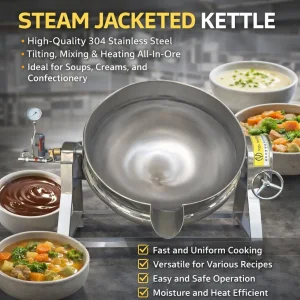
Steam acts as a phenomenal thermal carrier. Unlike thermal oil or direct flame, dry saturated steam condenses on the jacket walls, releasing latent heat at a constant temperature. This ensures rapid heat transfer, significantly shorter cycle times, and minimal utility expense—critical factors as gas and power tariffs adjust to market rates across Uzbekistan.
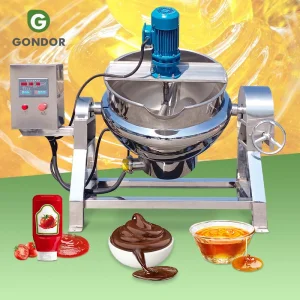
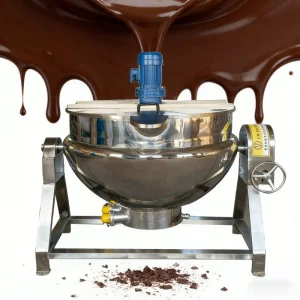
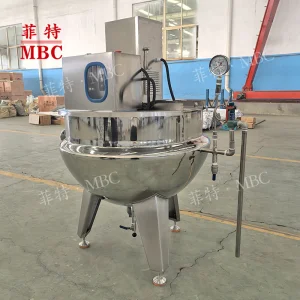
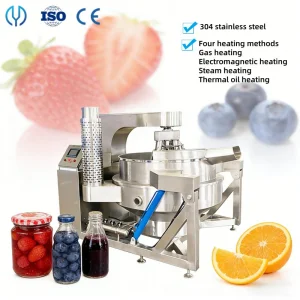
Industrial cooking equipment must withstand the twin challenges of corrosive chemistry (acids in tomatoes, sugars, and cleaning agents) and high mechanical pressure. As a leading manufacturer serving the Uzbek market, we engineer our boilers and jacketed kettles with food-grade SUS304 or SUS316L stainless steel. Every vessel is subject to non-destructive testing (NDT), X-ray weld inspections, and hydraulic pressure trials at twice the rated operating pressure.
Our dimple and double-jacketed kettles are certified under national pressure vessel manufacturing licenses, ensuring complete safety during high-temperature operations up to 0.3 MPa.
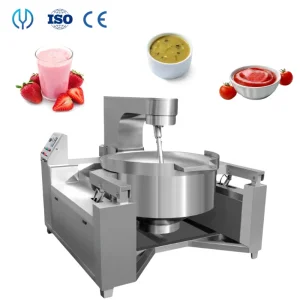
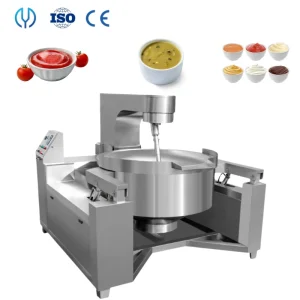
Equipped with wear-resistant Teflon scrapers that trace the exact curvature of the vessel bottom. This prevents caramelization, sticking, and fouling when processing dense, high-sugar confectioneries.
Integrated Siemens or Delta PLC human-machine interfaces allow operators to pre-program temperature curves, mixing speeds, and automated hydraulic tilting, guaranteeing batch consistency.
Engineered for thick pastes, jams, and traditional Central Asian recipes that demand vigorous agitation and uniform heat distribution.
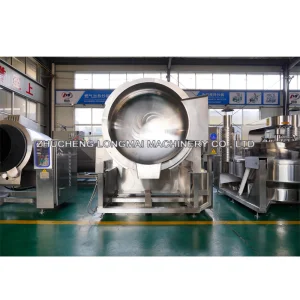
Manufacturing premium-grade food equipment requires complete control over the procurement and assembly cycle. By integrating Industry 4.0 production principles on our factory floors in China, we ensure high repeatability, perfect welds, and rapid lead times. Automated plasma cutting cells process stainless steel sheets with sub-millimeter accuracy, and robotic welding arms execute uniform circumferential seams on pressure vessels. This automated consistency reduces micro-fracture risks and eliminates crevices where harmful bacteria could multiply, facilitating smooth sanitization sweeps.
Our factory's geographical placement and alignment with the **Belt and Road Initiative (BRI)** offer unparalleled logistics advantages for buyers in Tashkent, Samarkand, and Bukhara. Rather than relying on slow and volatile maritime shipping corridors, we organize direct containerized block trains departing from Central China hubs. These shipments cross through the Alashankou or Khorgos dry ports, transiting through Kazakhstan to arrive in Uzbekistan within 12 to 18 days. This direct rail link reduces transit hazards, lowers freight costs, and ensures your production line commissioning is executed precisely on schedule.
Acquiring high-pressure thermal hardware demands rigorous compliance validation to meet both corporate governance and national safety codes. When importing food machinery into Uzbekistan, processors are required to comply with domestic sanitary norms, electrical parameters, and pressure safety frameworks. Our equipment line is optimized to operate on the regional **380V/50Hz 3-phase** electrical grid standard, ensuring plug-and-play compatibility.
Additionally, our team assists client compliance pipelines by delivering all necessary documentation in Russian and English. This includes official pressure test certificates, materials certificates verifying SS304/316 safety, circuit diagrams, and CE declaration of conformity documents. Beyond providing documents, our local technical partners across Uzbekistan handle crane installation, pipeline integrations (steam, water, condensate returns), electrical wiring, and operational safety training for floor staff.
From single-unit restaurant steam cookers to complete factory-line autoclave sterilizers, we cover the full spectrum of industrial culinary hardware.
Practical engineering, logistics, and operational answers for plant managers and purchasing directors in Uzbekistan.
The ideal selection depends on local utility costs and existing factory infrastructure. Direct steam is highly efficient if you have an external industrial steam boiler on-site, as it delivers high thermal flow rates directly to jacketed kettles. If no central steam source exists, we offer integrated gas or electric heating options that generate steam locally within the jacket, providing identical gentle heating qualities without requiring external piping networks.
Yes. All steam jacketed boilers and retort vessels are manufactured in strict compliance with safety codes. We provide certified documentation—including hydrostatic test reports, weld X-ray test validations, and safety valve certifications—required by regional inspectors in Uzbekistan for factory operation approvals.
Custom manufacturing cycles typically take 20 to 30 days depending on complexity and capacity requirements. Shipping by rail via Khorgos to Tashkent customs terminals requires 12 to 18 days. From Tashkent, domestic road networks deliver your machinery to final factory sites in Samarkand, Fergana, or Bukhara in 2-3 days.
Food materials processing (especially involving tomatoes, vinegar, high salt, or sugars) causes stress corrosion cracking in lower-grade steels. SUS304 offers robust protection against organic compounds, while SUS316L provides superior resistance to high-salinity and high-acid mixtures, guaranteeing a machine service life of over 15 years with minimal maintenance.
We provide comprehensive installation support. We coordinate with local installation specialists across regional centers to handle placement, steam boiler system piping, and electrical integration. We also provide online support, including detailed video manuals, diagnostic checks, and remote PLC programming adjustments to help you complete installation and begin operations quickly.
Consult with our engineers to configure your custom jacketed cooking vessels, automated blanching systems, or high-pressure retort lines. We offer complete custom services for food processing plants, central kitchens, and exporters across Uzbekistan.
Send Inquiry Now Linru Kitchen Equipment