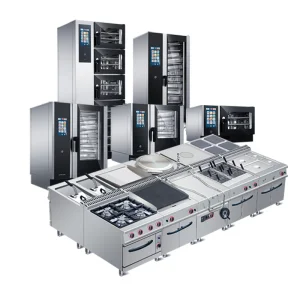
Explore our foundational range of professional-grade culinary thermal apparatuses, engineered for heavy-duty commercial environments.
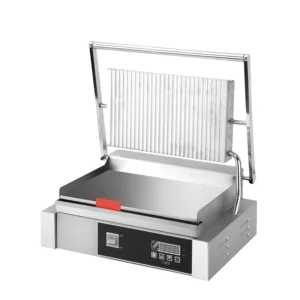
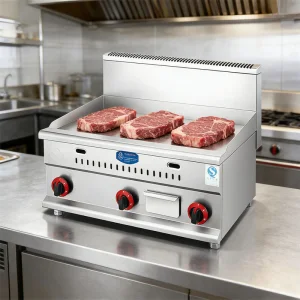
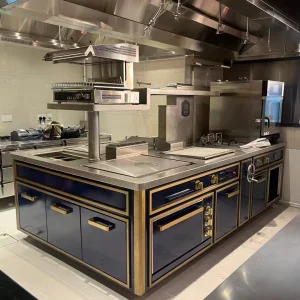
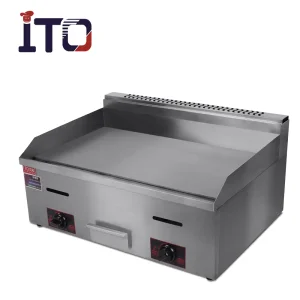
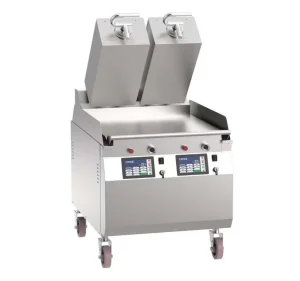
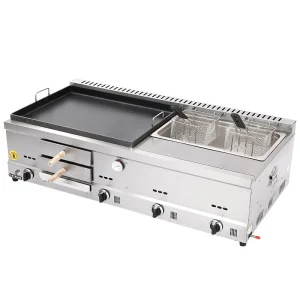
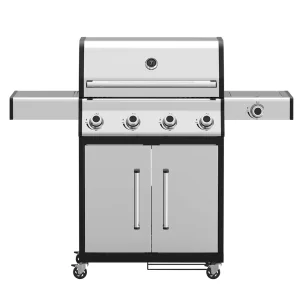
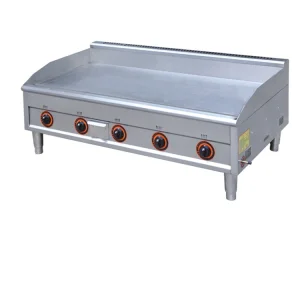
Founded on the pillars of technical precision and structural longevity, Shandong Linru Import & Export Trading Co., Ltd. (operating under the Feijin Import & Export manufacturing framework) has evolved over 15 years from a single localized kitchen stove fabrication line into an industrial-scale exporter of diversified, high-performance catering apparatus. We believe that shortcuts in material thickness or components inevitably lead to equipment failure in intense commercial environments.
Our heating systems—including large-scale multi-burner cookers, griddles, and custom gas stoves—comply fully with the rigorous national quality baselines and have secured comprehensive CCC (China Compulsory Certification) safety approvals. Furthermore, for highly regulated industrial setups, our commercial jacketed kettles are accredited under both the CCC standard and the national Special Equipment/Pressure Vessel Manufacturing License, validating safe operations under extreme pressure and thermal stress.

How professional griddle manufacturing utilizes specific steel alloys and control circuits to satisfy rigorous food safety and longevity requirements.
In commercial food preparation, structural steel selection directly dictates both the lifespan of the equipment and its resistance to chemical corrosion (organic acids, moisture, cleaning agents). Feijin implements high-grade 304 and 201 stainless steels, engineered with specific load-bearing structures to maximize yield strength:
| Performance Indicator | Electric Heating Systems | Gas Combustion Systems | Hybrid & Teppanyaki Systems |
|---|---|---|---|
| Thermal Response Speed | Gradual & steady heat preservation | Rapid rise with instant shut-off response | Precision localized control zones |
| Energy Efficiency Rating | Up to 90% direct conversion at plate | Varies (45%-60%) depending on air mix | Optimized based on specific fuel type selection |
| Typical Applications | QSRs, malls, indoor kitchens with strict emission controls | Outdoor catering, food trucks, high-volume open-flame kitchens | Japanese steakhouses, diverse multi-cuisine diners |
| Maintenance Overhead | Low; element inspections and contactor checks | Moderate; burner orifices, thermocouple calibrations | Dual system calibration requirements |
Leveraging Northern China's manufacturing clusters to deliver cost-effective, high-tolerance catering equipment.
With a 15-year footprint in commercial kitchen manufacturing, we reject low-cost, substandard processes. Every jacketed kettle, stove, and griddle passes national quality parameters and carries legitimate certifications (CCC and Pressure Vessel Licenses).
We tailor technical specifications, element densities, valve settings, and outer shapes. From high-capacity refrigeration integration to customized commercial ranges, Feijin adjusts parameters to match your region's voltage, gas type, and local compliance demands.
Located in the heart of Shandong’s manufacturing province, our facility benefits from raw material economies of scale, professional steel mills, component suppliers, and efficient freight corridors linking to the major shipping ports of Qingdao and Tianjin.
Ensuring cross-border equipment meets safety, operational, and thermodynamic standards for specific international jurisdictions.
Procuring commercial cooking equipment from China requires alignment between factory production capacity and destination country certification systems. For example, EU operations require strict adherence to the Gas Appliances Regulation (GAR) for gas-fueled systems and CE LVD/EMC directives for electric units. In North America, the thermodynamic safety must align with UL 197 / ANSI Z83.11 standards, alongside NSF/ANSI 4 sanitation listings. Feijin coordinates directly with global testing bodies to provide complete compliance trace records, ensuring trouble-free customs clearance and municipal licensing approvals.
We modify voltage controls (e.g., 380V/50Hz three-phase, 220V/60Hz single-phase, or 480V industrial grids) and integrate specific high-temp silicone wiring or circuit breakers matching localized electrical safety codes.
Burner orifices and gas manifold pressures are calibrated specifically for local fuel categories: Liquefied Petroleum Gas (LPG at 2.8-3.0 kPa) or Natural Gas (NG/Methane at 2.0 kPa), ensuring complete fuel combustion without soot build-up.
We optimize insulation layers (rockwool or ceramic fiber wrap) around inner heating tubes to lower surface skin temperatures, meeting municipal code limits and preventing operator burn injuries.
The transformation of traditional griddle equipment through advanced thermal dynamics, automation, and environmental sustainability.
The commercial kitchen sector is experiencing a massive push toward energy efficiency, carbon footprint reduction, and labor optimization. In response, modern griddle engineering has adopted several transformative features:
Expert answers addressing the logistical, structural, and operational concerns of commercial buyers, distributors, and kitchen consultants.
For commercial high-volume use, a plate thickness of 3/4 inch (19mm) to 1 inch (25mm) is highly recommended. Thicker plates act as massive thermal reservoirs. They store thermal energy, preventing significant temperature drops when large loads of frozen patties or cold foods are placed on the surface. Thinner plates (e.g., 1/2 inch or 12mm) lose heat quickly, leading to uneven cooking, slower recovery times, and increased risk of warping under intense heating cycles.
Commercial equipment using pressurized steam or secondary jacketed heating structures—such as jacketed boiling kettles or steam-jacketed griddles—runs under elevated pressure. A National Pressure Vessel Manufacturing License guarantees that the factory's welding procedures, metallurgical testing (X-ray weld checking), and stress test tolerances satisfy national safety baselines, preventing steam rupture hazards and ensuring a safe commercial work environment.
Gas griddles provide instant heat control and are highly suitable for locations with access to natural gas or propane, offering lower operational costs in many regions. However, they lose more heat to the surrounding environment through exhaust flues. Electric griddles transfer energy directly to the cooking plate, offering superior thermal efficiency (often exceeding 85%), tighter temperature control, and a cooler kitchen workspace, though electricity unit costs may be higher depending on local tariffs.
Shandong commercial kitchen equipment manufacturing zones benefit from industrial clustering. This includes direct integration with high-volume steel distributors, highly specialized component ecosystems (valves, heating elements, digital controllers), automated laser cutting/robot welding facilities, and streamlined road transport channels to the Port of Qingdao. This dramatically reduces material logistics overhead, resulting in lower FOB prices for international buyers.
Yes, advanced systems feature hybrid dual-fuel designs, combining electric flat-top plates with secondary gas burner ranges or convection ovens in a single turnkey station. This enables kitchens to leverage different energy sources during peak demand cycles, reducing overall operating costs and providing energy redundancy in case of power or gas line issues.
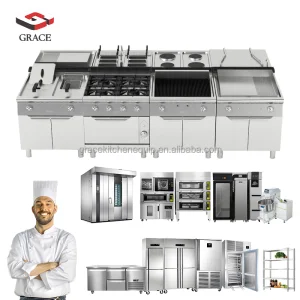
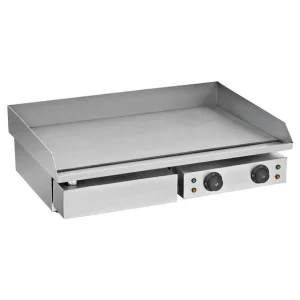
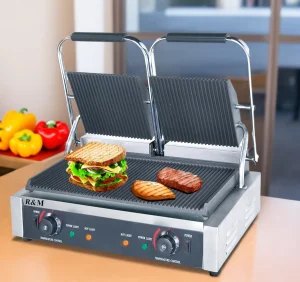
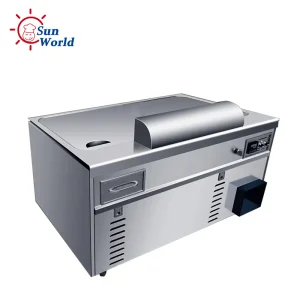
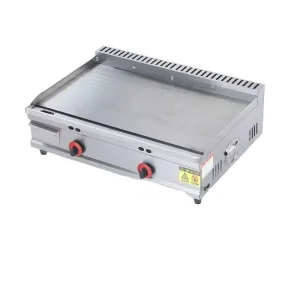
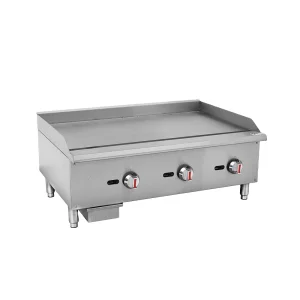
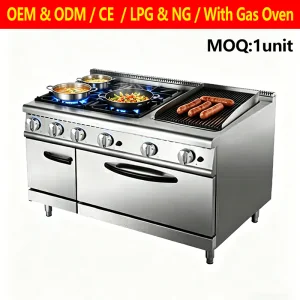
Explore our premium range of commercial kitchen appliances, engineered to meet the highest safety, regulatory, and mechanical standards.
 Linru Kitchen Equipment