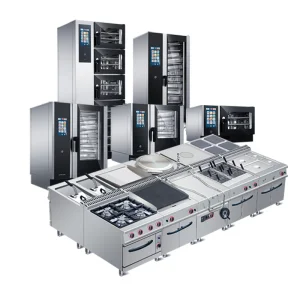
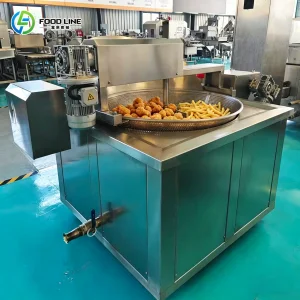
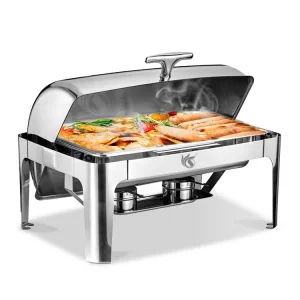
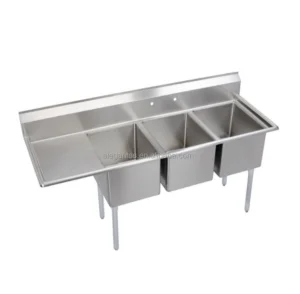
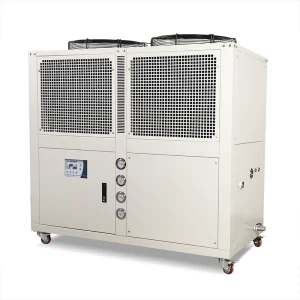
Explore our diverse catalog of high-performance refrigeration, cooking equipment, custom sinks, and advanced industrial ovens.
An In-depth Analysis of Commercial Kitchen Hardware Engineering, OEM/ODM Sourcing, and Thermal Efficiency Optimization.
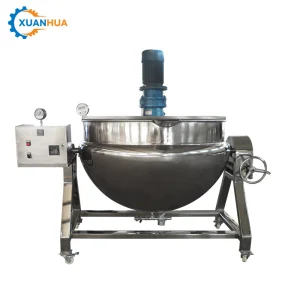
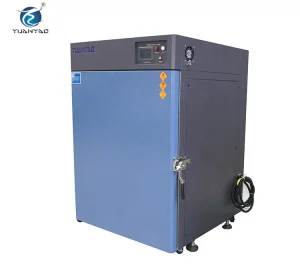
In the modern commercial foodservice infrastructure, the demand for precision heating, multi-functional flexibility, and thermal efficiency has reached an unprecedented scale. Global culinary institutions, hotel chains, industrial food production centers, and cloud kitchens are moving rapidly toward consolidated appliances that replace multiple single-function systems. The term "Multi-Cooker" in the industrial scope has evolved far beyond the domestic instant-pot. Today, it describes massive, high-efficiency induction cooking systems, jacketed kettles, high-temperature thermal ovens, and multi-compartment preparation machinery engineered to perform continuous heavy-duty food preparation under strict sanitary protocols.
As a leading name in this technical shift, Shandong Linru Import & Export Trading Co., Ltd. (also recognized under the production operations of Feijin Import & Export) has served the global commercial kitchen industry for over 15 years. What began as a dedicated line of kitchen stoves has developed into a vast, diversified portfolio of commercial-grade kitchen equipment, refrigeration technology, and stainless-steel prep platforms designed for the global B2B procurement market.
The global commercial cooking equipment market is undergoing a structural transition driven by three primary macroeconomic factors: rising real estate costs per square meter of kitchen space, severe global labor shortages in the culinary sector, and strict energy-use regulations aimed at reducing carbon footprints. For instance, European and North American catering services are increasingly forced to maximize throughput in downsized footprints. A traditional kitchen requires separate stations for boiling, steaming, frying, and baking. Industrial multi-functional appliances consolidate these tasks, utilizing advanced microprocessors to deliver exact temperature profiles for varied culinary preparations.
In addition to space optimization, thermal engineering is a critical battleground. Classic gas-powered systems suffer from significant heat dissipation, warming the physical kitchen environment and requiring high-power HVAC ventilation units. Industrial induction multi-cookers transfer energy directly to the cooking vessel, boasting thermal efficiency rates upwards of 90%, compared to a meager 40% to 50% for open gas flame systems. This direct energy transfer significantly lowers operational overheads and speeds up cooking cycles—vital criteria for high-volume quick-service restaurants (QSRs) and institutional kitchens.
At the center of China’s commercial kitchen manufacturing cluster, Shandong Linru Import & Export Trading Co., Ltd. has established a highly specialized manufacturing model. Our core manufacturing philosophy is built around uncompromising material integrity and strict adherence to global safety certifications.

Our heating products, including specialized stoves and multi-functional induction units, have obtained the full-range CCC (China Compulsory Certification). More importantly for global industrial partners, our commercial jacketed kettles and pressurized cookers are certified with the prestigious National Pressure Vessel Manufacturing License. This is a critical quality differentiator. Manufacturing high-capacity steam jacketed kettles requires absolute mastery of thermal expansion, weld integrity, and pressure tolerance. By securing this national license, we guarantee that our high-pressure cooking platforms operate safely under extreme, continuous loads, eliminating risks of workplace accidents or system structural failures.
"From the very beginning, we have been committed to improving our product quality step by step, firmly believing that only by ensuring consistent quality can we truly earn our customers’ trust and recognition. We reject low-cost, low-quality shortcuts to ensure every piece of equipment delivers long-term stability and reliability."
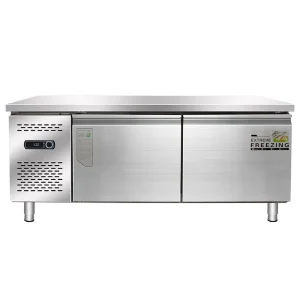
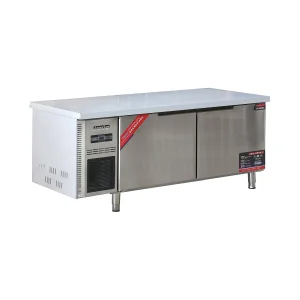
Furthermore, our refrigeration division adheres to rigorous quality standards. Every freezer unit, under-counter chiller, and monoblock condensing system is built to meet international and national safety codes, engineered to maintain consistent temperatures in high-ambient-heat kitchen environments. We custom-configure coil dimensions, compressor capacities, and insulation density to match the specific climatic and humidity profiles of our clients' target regions.
China remains the undisputed powerhouse for global food-service machinery exports, largely due to deep supply chain integration. The Shandong manufacturing cluster consolidates all key raw material providers, precision stamping factories, control board manufacturers, and logistics partners within a tight radius. This proximity reduces transit times for components and facilitates agile prototyping.
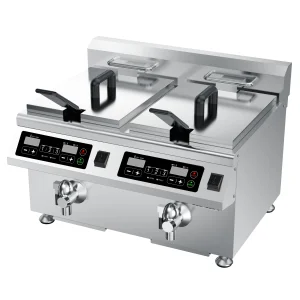
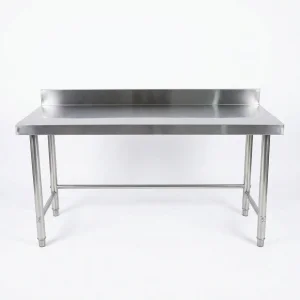
At Shandong Linru, this integration allows us to offer customized product solutions that Western manufacturers struggle to match at equivalent pricing. Whether an importer requires custom-dimensioned prep tables with integrated high-backsplashes or a double-compartment induction deep fryer tailored to regional voltage standards (such as 380V/50Hz three-phase or 480V/60Hz systems), our design engineers can construct CAD blueprints, run thermal simulations, and initiate manufacturing within short lead times. This rapid scaling capability is why top commercial distributors globally rely on us as their primary OEM/ODM partner.
| Feature Category | Standard Specifications | Customization Options | Compliance Standards |
|---|---|---|---|
| Material Composition | Premium SUS 201 / SUS 304 Stainless Steel | SUS 316 Acid-Resistant Marine-Grade Steel | FDA, NSF Equivalent Materials |
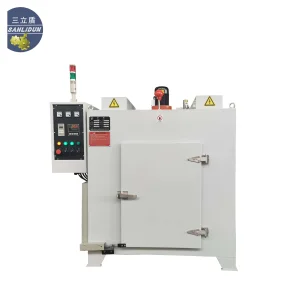
| Heating Technology | High-efficiency Induction / Hot Air Convection | Custom Kw Ratings (8Kw, 12Kw, 15Kw, etc.) | CCC, Pressure Vessel Safety License |
| Refrigeration Units | Under-counter Chillers, Monoblock Condensers | Variable Speed Compressors, Custom Refrigerants | National Refrigeration Safety Code |
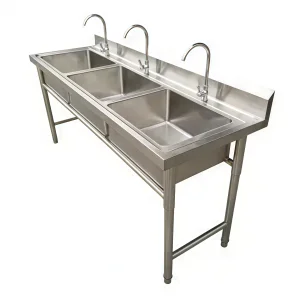
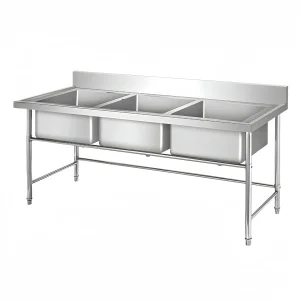
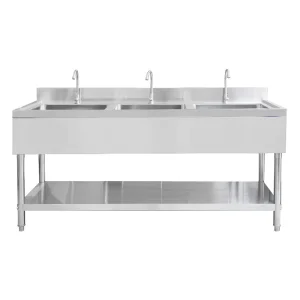
| Structural Form Factor | Standard Multi-Compartment & Freestanding Sinks | Custom Dimensions, Integrated Drainboards | Heavy-Duty Load-Bearing Designs |
To deliver true Information Gain, it is essential to look at where and how our machines are deployed. Different commercial environments present distinct operational challenges, requiring targeted engineering solutions:
With 15 years of experience in commercial kitchen equipment manufacturing, Feijin Import & Export is committed to continuous product refinement, rejecting low-cost, low-quality shortcuts to ensure every piece of equipment delivers long-term stability and reliability.
For refrigeration products, Feijin Import & Export combines high standards with customization — guaranteeing full compliance with national quality standards while tailoring technical parameters to match each client’s specific application and usage environment.
Feijin’s stainless-steel preparation equipment is built using high-grade 304 or 201 stainless steel, with meticulous attention to load-bearing design, craftsmanship, and finishing details, ensuring both durability and aesthetic excellence.
With 15 years of experience in commercial kitchen equipment manufacturing, Feijin Import & Export is committed to continuous product refinement, rejecting low-cost, low-quality shortcuts to ensure every piece of equipment delivers long-term stability and reliability.
B2B procurement teams are shifting away from transactional purchasing toward long-term strategic relationships. Importers prioritize manufacturer-direct partners to minimize communication delays and bypass middleman markups. Major B2B procurement trends for 2025 and beyond focus heavily on:
Anti-Corrosive Architecture: The commercial kitchen is a harsh, humid environment exposed to salt, acids, and chemical cleaning agents. Kitchen tables, prep workbenches, and sinks made from inferior alloys quickly develop rust, compromising food safety. By selecting high-grade 304/316 stainless steel, buyers secure equipment that resists corrosion and remains easy to sanitize.
System Modularity: Multi-national chain operations require uniform kitchen setups across different sites. Sinks, cooling benches, and ovens must align seamlessly. Our 30-square-meter commercial kitchen solution offers a pre-engineered, modular design that minimizes planning time and ensures consistent equipment integration across locations.
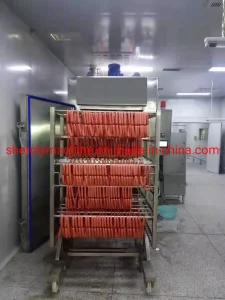
Explore our complete range of specialized equipment, from high-capacity smokers and fryers to modular kitchen systems and cold storage.
 Linru Kitchen Equipment