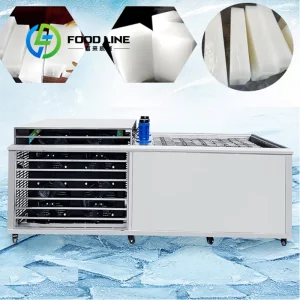
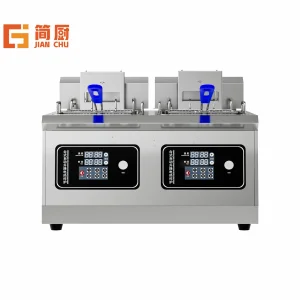
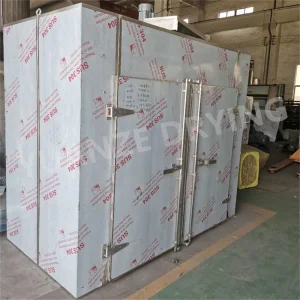
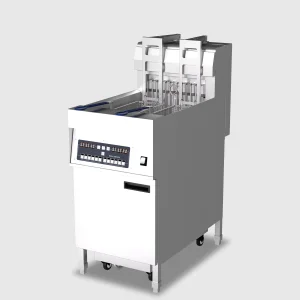
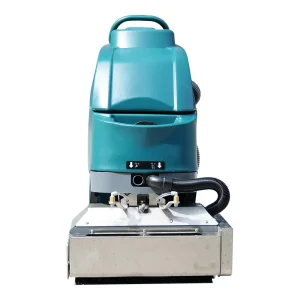
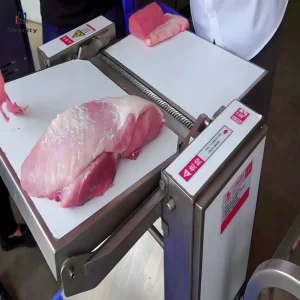
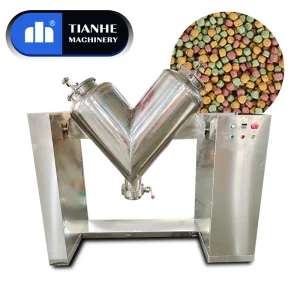
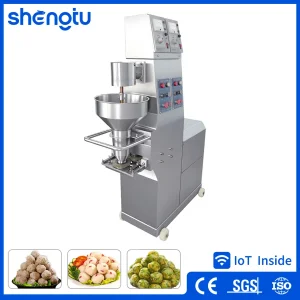
Deploying the right industrial processing machinery is the foundation of scale for fast-food operators. These systems are specifically selected for high yield, resistance to power fluctuations, and compatibility with dual-energy frameworks (LPG/Electricity) common in West Africa.
The commercial food landscape in Nigeria is undergoing an unprecedented structural transition. Accelerated urbanization, expanding middle-class consumption across hubs like Ikeja, Lekki, Abuja Phase 1, and Port Harcourt, and the rapid expansion of QSR networks (Quick Service Restaurants) have driven the demand for specialized kitchen machinery. However, local processing operations are constrained by unique infrastructural realities: volatile power grids, diesel fuel inflation, and high ambient tropical humidity that accelerates machinery wear.
To maintain operating margins, forward-thinking Nigerian food brands are replacing legacy manual preparation processes with automated industrial processing units. Energy-efficient equipment design is no longer a luxury but a fundamental survival mechanism. Thermal insulation properties, dual gas-induction capabilities, and robust mechanical structures that bypass overly sensitive microchip boards are highly sought after to combat frequent grid surges and voltage drops.
For high-frequency items such as fried chicken, plantain chips (dodo), meat pies, and local swallow staples, temperature control must be precise yet simple. Shandong Linru Import & Export Trading Co., Ltd. fills this gap by engineering commercial machinery designed specifically for the demanding environmental conditions of West Africa. By optimizing heating loops, offering rugged manual overrides, and utilizing high-density thermal insulation, our equipment minimizes gas and electricity draw while maintaining maximum product output.
Shandong Linru Import & Export Trading Co., Ltd. is a professional enterprise integrating the production and sales of commercial kitchen equipment. Our legacy is built on the rigorous demands of global hospitality manufacturing, adhering to strict mechanical standards.
With 15 years of experience in the field, we have grown from a single line of kitchen stoves to a diversified portfolio of high-quality branded products. From the very beginning, we have been committed to improving our product quality step by step, firmly believing that only by ensuring consistent quality can we truly earn our customers’ trust and recognition.

Our heavy industrial division utilizes laser precision cutting and computerized testing arrays to secure absolute quality control before overseas shipping.
In the field of refrigeration equipment, we adhere to strict quality standards and rigorous requirements. Every product is built to meet national quality standards, customized to satisfy client needs, and crafted with attention to detail that reflects our company’s commitment to excellence. Our engineering parameters match international protocols, making us a top exporter for demanding emerging markets across Africa, South Asia, and the Middle East.
Our heating products, including stoves, have obtained full-range CCC (China Compulsory Certification). In addition, our jacketed kettles are certified not only with CCC but also with the National Pressure Vessel Manufacturing License, ensuring customers can purchase with confidence and use with peace of mind. This dual compliance structure provides global chain operations and independent local franchise groups absolute assurance that their utility frameworks remain entirely safe and legal.
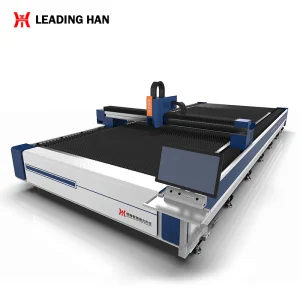
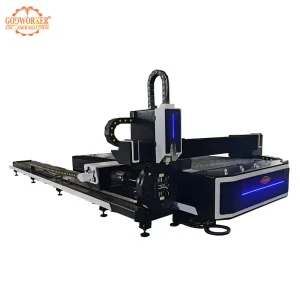
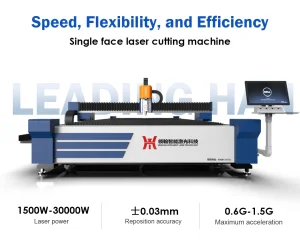
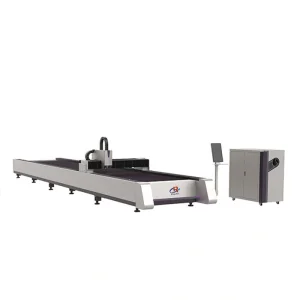
The reliability of a food processing line depends heavily on the precision of the raw steel fabrication. Shandong Linru uses automated fiber laser cutting systems to manufacture its kitchen equipment. Using 1500W to 6000W CNC lasers ensures that every cut on our 304 food-grade stainless steel panels is down to the sub-millimeter. This precision translates directly to dust-tight panels, robust structural joints, and seamless sanitation properties that prevent bacterial buildup.
Furthermore, our capability in heavy metal manufacturing enables us to export high-output CNC metal sheet laser cutters to industrial kitchens and localized metal fabrication companies in Nigeria. By doing so, we empower local engineering teams to manufacture their own exhaust hoods, work tables, and counters while importing the core motorized machinery directly from our central production lines in Shandong.
We bridge the gap between heavy industrial reliability and local commercial execution. Here is how our production metrics translate directly to your kitchen's bottom line:
With 15 years of experience in commercial kitchen equipment manufacturing, Feijin Import & Export is committed to continuous product refinement, rejecting low-cost, low-quality shortcuts to ensure every piece of equipment delivers long-term stability and reliability.
For refrigeration products, Feijin Import & Export combines high standards with customization — guaranteeing full compliance with national quality standards while tailoring technical parameters to match each client’s specific application and usage environment.
Feijin’s stainless-steel preparation equipment is built using high-grade 304 or 201 stainless steel, with meticulous attention to load-bearing design, craftsmanship, and finishing details, ensuring both durability and aesthetic excellence.
With 15 years of experience in commercial kitchen equipment manufacturing, Feijin Import & Export is committed to continuous product refinement, rejecting low-cost, low-quality shortcuts to ensure every piece of equipment delivers long-term stability and reliability.
Importing commercial kitchen equipment into West Africa requires careful coordination with local standards organizations and reliable freight pathways. Shandong Linru has established logistics workflows specifically optimized for Nigerian imports:
1. SONCAP Compliance (Standards Organisation of Nigeria Conformity Assessment Programme): Every machine batch is tested to secure the mandatory Product Certificate (PC) and SONCAP Certificate (SC). This compliance prevents port delays at the Apapa Port and Tincan Island Port complexes in Lagos.
2. Electrical Customizations: Standard models are customized to handle the specific voltage and frequency demands of Nigerian power grids. While the nominal voltage is 220V/50Hz single-phase or 415V/50Hz three-phase, our motors and compressors are designed with a ±15% voltage tolerance to withstand standard voltage sags and surges.
3. Sea Freight & Customs Brokerage Support: We collaborate with seasoned clearing agents in Lagos to coordinate duties, customs clearance under specific HS codes, and land transit to cities like Abuja, Kaduna, and Port Harcourt.
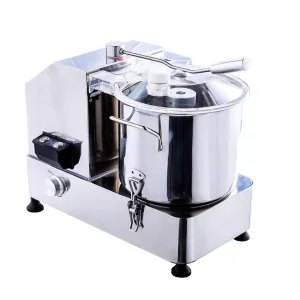
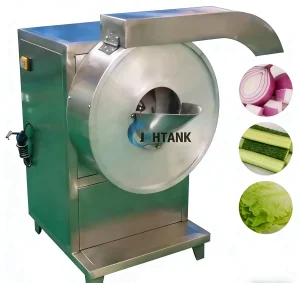
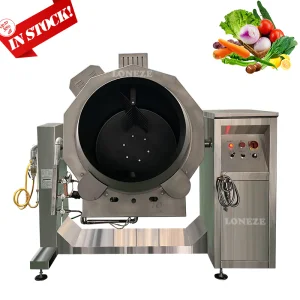
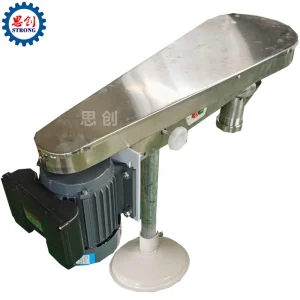
Browse our collection of high-output food preparation and fabrication machinery. These systems are designed to minimize operating costs while maximizing output quality.
Below are answers to structural, technical, and regulatory questions from procurement managers and restaurant business owners in the Nigerian market.
From single high-capacity fryer integrations to complete central production kitchen layouts, our design engineers help you balance energy efficiency, compliance, and throughput. Contact our export desk for custom configuration options and FOB/CIF pricing estimates.
 Linru Kitchen Equipment