Premium high-capacity appliances engineered to maximize sanitation, durability, and operational throughput.
Years of Engineering Craftsmanship
CCC & Pressure Vessel Certified
Countries Exported Globally
High-Grade Stainless Steel
In the modern commercial foodservice and hospitality sectors, high-volume sanitation operations must meet rigorous standards. Heavy-duty dishwashers are no longer simple kitchen appliances; they serve as critical infrastructure nodes in large-scale sanitation workflows. High-capacity operations require systems capable of managing thermal performance, chemical injection precision, and mechanical wash-arm fluid dynamics. Selecting the right industrial dishwasher supplier is essential for achieving compliance with global health codes like HACCP and NSF.
State-of-the-art commercial dishwashers must balance high mechanical throughput with resource efficiency. Modern kitchens are adopting comprehensive energy recovery systems, such as exhaust heat exchangers that capture steam and repurpose it to preheat incoming rinse water. This technology reduces the energy load on booster heaters while lowering ventilation requirements, contributing to lower operating costs and a reduced carbon footprint.
Industrial sanitation requires water temperatures to reach at least 82°C (180°F) during the rinse cycle to ensure proper sanitation. Heavy-duty dishwashers utilize integrated booster heaters and high-output heating elements to maintain these precise temperatures, even during back-to-back high-speed runs.
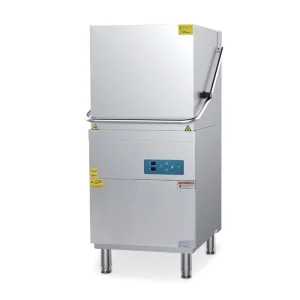
The global commercial warewashing market is expanding, driven by rising health standards and labor challenges in the hospitality sector. Industrial kitchen operators face issues like high employee turnover and rising water costs, making automated, high-efficiency equipment a necessity. Modern hood-type, flight-type, and undercounter dishwashers help address these challenges by reducing labor requirements while maintaining sanitization quality.
For global distribution, compliance with regional standards is essential. Equipment exported to North America, the European Union, and Asia-Pacific must meet strict regulatory standards, including CE marking, UL certification, NSF/ANSI sanitation requirements, and CCC (China Compulsory Certification). Top manufacturers design their equipment around universal electrical configurations (e.g., 380V-415V/3-phase/50-60Hz) to ensure smooth integration into diverse municipal power grids without requiring custom rewiring.
Our equipment meets CE, CCC, and National Pressure Vessel Standards, ensuring smooth clearance and compliance across international markets.
We tailor electrical layouts, voltage inputs, water inlet connections, and operational cycles to match regional requirements.
Utilizing high-grade SUS304 stainless steel and digital PLC automation to deliver reliable performance for commercial operations.
Combining engineering precision, strict quality control, and comprehensive global export support.

Shandong Linru Import & Export Trading Co., Ltd. (also operating under the Feijin brand) is a professional enterprise specializing in the design, engineering, and global sales of commercial kitchen and food processing equipment. Over 15 years of industry experience, we have evolved from a single line of kitchen stoves into a comprehensive provider of heavy-duty appliances, industrial dishwashers, pressure vessels, and customized refrigeration setups.
Our core mission focuses on consistent product quality. In the commercial warewashing and food processing space, we do not compromise on materials or build standards. Every machine is manufactured to meet national quality guidelines, customized to client requirements, and constructed with attention to engineering details.
Our heating and pressure products, including jacketed kettles and industrial boilers, have obtained full-range CCC (China Compulsory Certification) alongside the National Pressure Vessel Manufacturing License. This certification framework gives global buyers confidence in our equipment's long-term safety, durability, and operational compliance.
We build our structural framing and interior wash systems using heavy-gauge SUS304 or SUS201 stainless steel. This materials-first design protects critical components against high heat, chemical corrosion, and physical impact, ensuring a longer service life in high-volume environments.
Every commercial kitchen has unique space and utility requirements. We work directly with engineers and buyers to adjust electrical configurations, physical dimensions, heat recovery structures, and rack layouts to fit your facility's specific operational needs.
Our commitment continues after delivery. We provide comprehensive technical manuals, installation drawings, piping schematics, and ongoing support for spare parts. This ensures our global distribution partners have the resources needed to keep equipment running efficiently.
Sanitation requirements vary across different commercial foodservice sectors. To maximize efficiency and ensure compliance, heavy-duty warewashing systems must be tailored to their specific operational environments.
The commercial warewashing industry is evolving, driven by updates in environmental regulations and digital automation. System designers are focusing on smarter resource management, data integration, and improved mechanical designs to enhance performance.
Key developments include IoT-enabled control boards that track wash cycle temperatures, chemical usage, and water consumption in real time. This data helps kitchen operators optimize resource efficiency, schedule preventive maintenance, and simplify health department recordkeeping.
Another major focus is water conservation. Advanced multi-stage filtration systems recycle relatively clean wash water for the pre-wash phase, significantly reducing total water and chemical usage per rack. When paired with smart, targeted spray arms, these systems deliver thorough sanitization while keeping utility costs manageable.
Technical answers to common questions about selection, installation, utilities, and regulatory compliance.
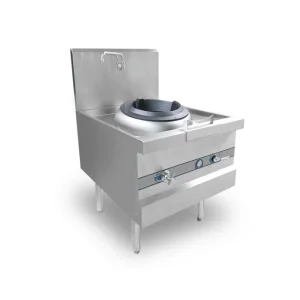
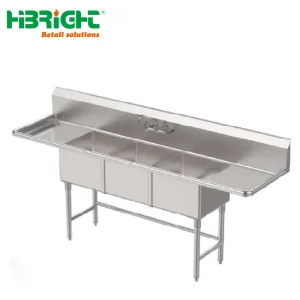
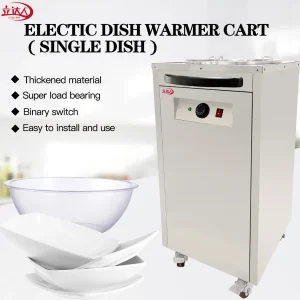
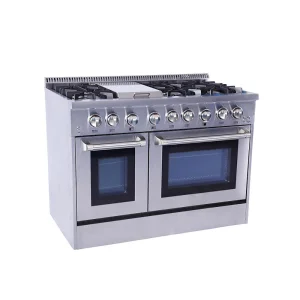
Explore our wider range of commercial products designed for high-capacity food prep, cooking, and service facilities.
 Linru Kitchen Equipment