Explore our foundational range of heavy-duty food processing, boiling, and commercial cooking machinery engineered to NSF and CE standards.
Analyzing industry shifts towards digital temperature precision, safety compliance, and energy conservation.
In the high-intensity environment of modern commercial food service, the preservation of sensory quality and biological safety is paramount. The global commercial hot food holding equipment market, specifically steam tables, is undergoing a profound structural transition. No longer viewed as simple heated vessels, modern steam tables are highly engineered thermodynamic systems designed to manage temperature boundaries precisely. According to food safety guidelines, such as the USDA and FDA food codes, hot food must be maintained above 140°F (60°C) to bypass the microbiological danger zone. Achieving this consistently across varied environmental conditions requires advanced thermal insulation and sophisticated heating topologies.
Currently, the market demands high efficiency and regional configuration adaptation. In North America and Europe, stringent energy efficiency directives (such as ENERGY STAR certifications and European Ecodesign regulations) drive procurement departments to prioritize units utilizing low-density heating elements and polyurethane insulation barriers. Meanwhile, the growing footprint of fast-casual chains, multi-location hotel banquets, and educational institutions creates a strong pull for customized OEM and ODM steam table solutions. Global buyers look for robust construction that can survive the harsh chemical cleanings and physical demands of high-throughput kitchens while integrating seamlessly with local electrical grids, gas outlets, and smart telemetry systems.
Traditional wet-bath systems use water convection to wrap food pans in steam, avoiding localized scorching. Dry-well systems utilize localized infrared and direct conduction, eliminating water piping needs and shortening heat-up intervals.
Food contact zones require certified non-porous surfaces. NSF/ANSI Standard 4 governs the ease of sanitation, calling for seamless weldments, fully rounded coved corners, and chemical corrosion resistance against chlorine sanitizers.
Modern commercial setups integrate PID-loop controllers, allowing operators to monitor well temperatures via digital interfaces. These systems prevent temperature overshoot and lower energy usage by up to 30% compared to infinite switches.
15 years of technical expertise in delivering high-volume, cost-optimized, and customized commercial kitchen products globally.

Shandong Linru Import & Export Trading Co., Ltd. is a professional enterprise integrating the production and sales of commercial kitchen equipment. With 15 years of experience in the field, we have grown from a single line of kitchen stoves to a diversified portfolio of high-quality branded products. From the very beginning, we have been committed to improving our product quality step by step, firmly believing that only by ensuring consistent quality can we truly earn our customers’ trust and recognition.
The manufacturing center of Shandong Linru leverages China's industrial supply chain ecosystems. Located in Shandong province, the hub of heavy commercial kitchenware fabrication, our facility uses high-precision automated machinery, including laser cutters, CNC bending centers, and robotic welding stations. This technological integration allows us to keep dimensional tolerances within fractions of a millimeter, guaranteeing perfect drop-in fits for steam wells, sinks, and custom counters. By streamlining material handling and employing structural design engineering, we achieve high yield efficiency. We pass these savings directly to our global customers, maintaining top-tier quality standards while offering competitive price points.
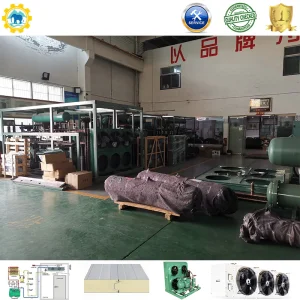
In the field of refrigeration equipment, we adhere to strict quality standards and rigorous requirements. Every product is built to meet national quality standards, customized to satisfy client needs, and crafted with attention to detail that reflects our company’s commitment to excellence. This duality in expertise—mastering both thermodynamic heating and complex cooling/refrigeration technologies—positions Shandong Linru as an ideal partner for comprehensive OEM/ODM projects that require multi-temperature holding cabinets, combined hot-cold preparation tables, and customized banquet service lines.
Ensuring compliance, safety, and operational longevity across diverse international regulatory frameworks.
Our heating products, including stoves, have obtained full-range CCC (China Compulsory Certification). In addition, our jacketed kettles are certified not only with CCC but also with the National Pressure Vessel Manufacturing License, ensuring customers can purchase with confidence and use with peace of mind.
Our export fabrication lines align with global sanitation blueprints, employing smooth, easily cleanable radius corners, non-toxic sealing polymers, and seamless welding to eliminate potential bacteria harboring sites.
We source certified high-grade AISI 304 and AISI 201 raw steel. Our QC laboratory performs regular acid-etch testing, salt-spray checks, and spectrometer verifications to confirm optimal chromium and nickel levels.
| Material Grade | Typical Application Range | Corrosion Resistance | Structural Load Rating | Chemical Resistance (Chlorine/Salts) |
|---|---|---|---|---|
| AISI 304 (V2A) | Wet steam wells, food pans, heavy-duty boiler vessels | Outstanding (High Nickel) | Excellent structural load capacity | High - Preserves surface finish |
| AISI 201 | Exterior housings, lower shelving, support frames | Moderate (Industrial Dry) | Very High tensile strength | Moderate - Requires drying protocols |
| AISI 316 (Marine) | High-acid, high-salt specialty processing wells | Exceptional (Molybdenum added) | Excellent structural load capacity | Exceptional - Maximum oxidation protection |
Transforming complex technical concepts into durable, high-performance hot food holding installations.
We engineer steam tables compatible with global electrical parameters, supporting single-phase and three-phase circuits across voltages like 120V, 208V, 240V, and 415V. We also provide safety-monitored burner assemblies with pilot configurations for LPG or natural gas installations.
Whether you require standard 2-well, 3-well, 4-well, or 5-well inline configurations, or customized drop-in wells designed for existing stone countertops, our engineering team supplies complete CAD layouts and 3D step files to streamline your structural design.
We supply tempered glass sneeze guards, integrated high-density polyethylene cutting boards, overhead infrared heat lamps, and base storage cabinets (both heated and ambient). We build each accessory to integrate securely with the steam table frame.
Custom-tailored thermal designs constructed to meet the practical layout demands of specific regional markets.
Designed for schools and universities, these units prioritize child-safe cool-to-the-touch exterior panels, robust bumper guards, and rapid thermal recovery to handle high-frequency service lines without drop-offs in food safety temperatures.
Featuring sleek, drop-in flush well designs that merge with custom marble or granite installations. They provide clean visual presentations, integrated water filling systems, and low-profile digital controller mounts.
For quick-service kitchens requiring high-density, reliable equipment. Built with thick-gauge stainless steel to withstand constant pan insertions, they feature fast dry-well heat recovery and modular components to simplify maintenance.
Heavy-duty, high-capacity holding wells engineered to endure challenging weather, voltage drops, and rough transport. Features include reinforced structural frames and robust mechanical control knobs.
15 Years of Craftsmanship — No Compromise on Quality
With 15 years of experience in commercial kitchen equipment manufacturing, Feijin Import & Export is committed to continuous product refinement, rejecting low-cost, low-quality shortcuts to ensure every piece of equipment delivers long-term stability and reliability.
For refrigeration products, Feijin Import & Export combines high standards with customization — guaranteeing full compliance with national quality standards while tailoring technical parameters to match each client’s specific application and usage environment.
Feijin’s stainless-steel preparation equipment is built using high-grade 304 or 201 stainless steel, with meticulous attention to load-bearing design, craftsmanship, and finishing details, ensuring both durability and aesthetic excellence.
With 15 years of experience in commercial kitchen equipment manufacturing, Feijin Import & Export is committed to continuous product refinement, rejecting low-cost, low-quality shortcuts to ensure every piece of equipment delivers long-term stability and reliability.
Establishing stable, transparent, and certified commercial supply chains for international exporters.
Managing commercial equipment procurement across international borders requires rigorous oversight. Importers must evaluate factors beyond product unit costs, including shipping volumes, anti-corrosion packaging, container utilization, and local grid certifications. Shandong Linru manages this complexity by shipping directly from major ports in Shandong, using specialized container packing configurations to maximize space and prevent structural shifting during ocean transport.
Every shipment undergoes a comprehensive pre-departure inspection sequence. This includes electrical safety inspections (dielectric strength, grounding resistance, and leakage current), hydrostatic pressure tests on steam jacketed systems, and visual checks of all stainless steel weldments. Providing reliable documentation—such as test reports, material certifications, and compliance logs—helps global buyers clear customs and pass local regulatory inspections smoothly, minimizing project delays.
Comprehensive answers to technical, regulatory, and procurement questions for engineering and purchasing managers.
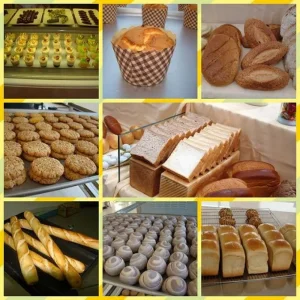
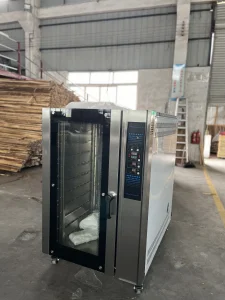
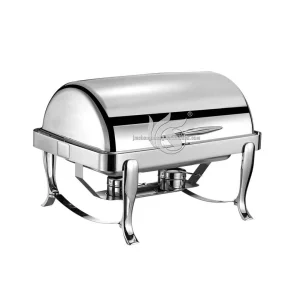
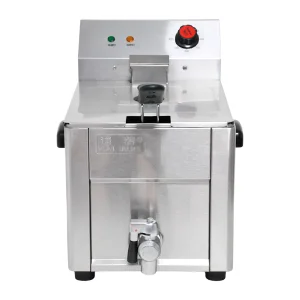
Explore our refrigeration, baking, and heavy-duty frying systems engineered to complete high-efficiency commercial food service setups.
 Linru Kitchen Equipment