Engineered for high-volume urban kitchens requiring rapid recovery times, compact footprints, and California Energy Code efficiency compliance.
Feijin Import & Export & Shandong Linru integrate world-class manufacturing with local regulatory peace of mind.
Our heating products, including heavy-duty stoves, have obtained full-range CCC (China Compulsory Certification). Furthermore, our jacketed kettles are certified not only with CCC but also with the National Pressure Vessel Manufacturing License, ensuring customers can purchase with absolute confidence.
We combine high industrial standards with precision customization. Every refrigeration and cooking unit is built to satisfy strict regional sanitary rules, tailored to match each client’s volume targets and layout constraints.
Our stainless-steel preparation equipment is built using high-grade 304 or 201 stainless steel. By prioritizing structural load-bearing design, heavy weld polishing, and smooth cleanable finishes, we deliver unmatched equipment longevity.
Growing from a single production line of commercial kitchen stoves to a comprehensive, multi-brand global export portfolio, Feijin Import & Export rejects low-cost compromises. Quality consistency is the absolute foundation of our brand reputation.
A Comprehensive Technical Whitepaper on Commercial Foodservice Automation, Regulatory Integration, and Precision Fabrication Standards.

The San Francisco Bay Area stands as a global hub of culinary innovation, but operates under some of the most rigorous operational and regulatory environments in the world. High labor costs (with minimum wages consistently surpassing federal levels), intense real estate premiums, and strict local sanitary mandates drive local restaurateurs, cloud kitchen operators, and institutional caterers to seek smart, high-yield automation.
In downtown San Francisco, SoMA, and the Mission District, spatial limitations mean kitchens must optimize output per square foot. Traditional, bulky kitchen stoves and manual preparation tables are giving way to integrated kitchen robotics and high-capacity processing equipment. Furthermore, the city’s environmental mandates demand compliance with Energy Star standards and local grease trap / exhaust safety regulations. Kitchen machinery must be designed with extreme thermal efficiency, minimizing energy draw while maximizing rapid thermal recovery. Feijin’s specialized product catalog is specifically designed to meet these urban challenges, ensuring rapid heat delivery and minimized power consumption.
On a global scale, the commercial kitchen machinery sector is undergoing a profound structural shift toward automated prep systems, precision thermal regulation, and high-durability materials. Due to worldwide supply chain recalibrations and rising labor shortages, commercial kitchens are transitioning from simple mechanical appliances to intelligent, multi-functional machinery lines.
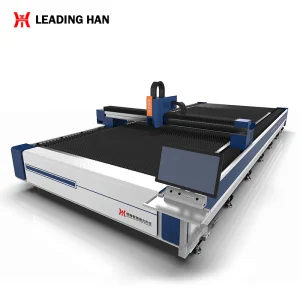
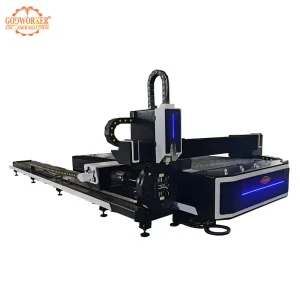
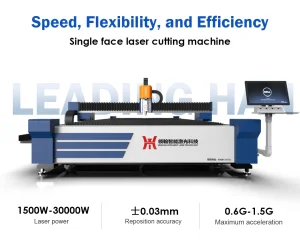
The manufacturing of these systems requires advanced metallurgy and high-precision fabrication. Shandong Linru has evolved its production lines by incorporating state-of-the-art CNC fiber laser cutters to fabricate components with tolerances measured in microns. This high-precision manufacturing avoids structural gaps, coarse seams, and rough edges where organic food particles can accumulate. As global food safety standards like FDA, NSF, and CE become more aligned, cleanability at a microscopic level is now a primary engineering metric. This is why our machinery utilizes premium SUS304 stainless steel, which offers natural resistance to acid corrosion, high-heat oxidation, and abrasive sanitizing compounds.
“Modern commercial kitchens require machinery that reduces human touchpoints, improves thermal throughput, and meets local environmental codes without sacrificing speed. Our manufacturing philosophy centers on E-E-A-T principles: designing reliable machinery that operators can trust during peak rush hours.”
The modern foodservice facility is no longer isolated hardware; it is an interconnected processing floor. Key trends shaping the industry include:
Implementing automated commercial machinery manifests in several distinct Bay Area operational profiles:
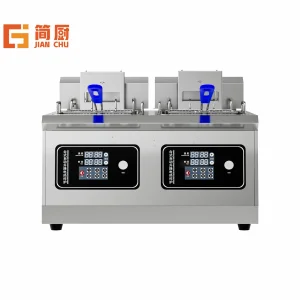
High-Throughput Seafood Prep at Fisherman’s Wharf: Coastal restaurants face high, seasonal tourist volumes. Utilizing our Desktop Fryers ensures rapid oil heat recovery, preserving the delicate texture of shrimp and local seafood while reducing oil breakdown.
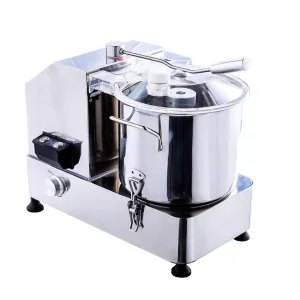
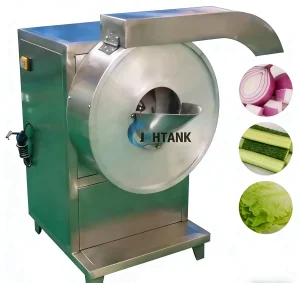
Dark Kitchen Hubs in SoMA: Virtual kitchens serving multiple delivery brands require rapid-fire ingredient preparation. High-capacity commercial slicers and food mixers allow a single prep chef to handle hundreds of pounds of raw ingredients daily, ensuring consistent cuts and blends for standardized recipes.
Chinatown Noodle Production & Dim Sum: Traditional noodle houses leverage automatic noodle maker press machines to keep up with intense daily lunch rushes. By automating the extrusion process, they preserve the chewiness of fresh noodles while reducing physical labor requirements.
Our long-term R&D is geared toward smart power grids and carbon neutrality. With California leading the transition toward all-electric commercial buildings, our engineers are actively designing new lines of high-efficiency induction stoves and smart electric kettles.
Simultaneously, we are embedding predictive maintenance sensors into our refrigeration and motorized mixers. These sensors track motor vibration, temperature fluctuations, and compressor duty cycles, alerting maintenance teams before a breakdown occurs. This prevents costly downtime, which can be devastating for high-volume San Francisco fast-casual establishments.
Shandong Linru doesn't merely ship crates of machinery; we offer comprehensive system designs. From layout engineering that optimizes staff movement to customizing the voltage and phase profiles for US electrical systems (208V/240V/480V 60Hz), we ensure that your imports integrate perfectly with local building codes.
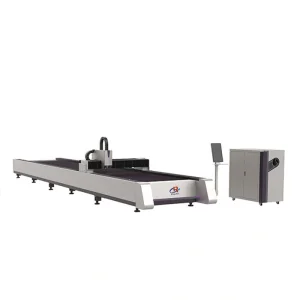
Additionally, our proximity to advanced metal fabrication technologies allows us to act as a crucial partner for custom kitchen equipment design. Whether you require uniquely shaped prep tables, heavy-duty exhaust hoods, or customized commercial sinks, our high-power fiber laser cutting machines fabricate custom configurations that match the dimensions of your floor plan down to the millimeter.
Explore our full range of professional kitchenware manufacturing tools, high-speed automated prep machines, and sanitizing solutions.
Expert insights on importing, deploying, and maintaining high-capacity commercial kitchen machinery in Northern California.
Consult with our E-E-A-T certified growth engineers to obtain custom blueprints, factory-direct quotes, and technical compliance assessments.
Send Inquiry Now Linru Kitchen Equipment