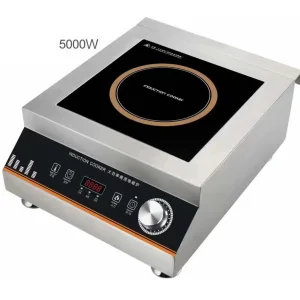
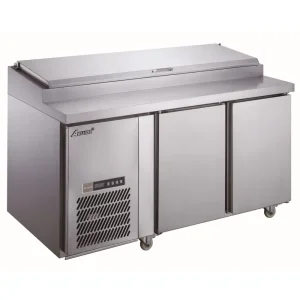
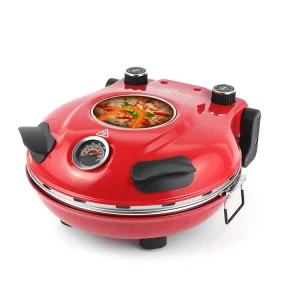
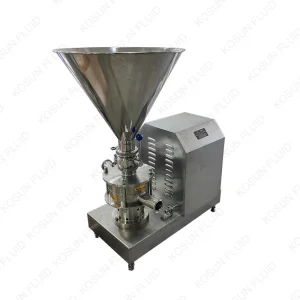
Explore our leading collection of certified food processing lines, commercial mixers, and thermal regulation equipment engineered for global commercial kitchen standards.

Analyzing the paradigm shift in industrial baking from manual operation to high-accuracy volumetric automation.
The global baking sector is undergoing a rapid technological evolution driven by consumer preferences for standardized products and strict operational efficiency requirements. At the heart of this process stands the commercial dough divider. Once reliant on mechanical scaling mechanisms that stressed the dough, modern processing lines now focus heavily on safeguarding the dough's cellular structure while maximizing weight precision.
In high-capacity baking environments, maintaining the gluten network of yeast-raised products during the division phase is vital. The industry is transitioning from aggressive extrusion dividers to stress-free volumetric and vacuum-assisted dough dividing systems. These advanced machines mimic hand-division by using gentle suction to draw dough into measuring chambers, preventing excessive degassing. This shift preserves the crumb structure in final products such as high-hydration artisan breads, rustic baguettes, and premium pizza doughs.
Preserving the delicate gas cell structure in high-hydration pre-fermented doughs to ensure superior crumb volume and product texture.
Deploying intelligent pressure transducers and PLC-driven volumetric chambers that reduce weight variances to less than 1.5%.
Utilizing washdown-capable structures, food-grade materials, and toolless disassembly systems to meet demanding food safety audits.
For procurement officers, regional distributors, and engineering leads in industrial bakeries, purchasing commercial baking equipment requires balancing multiple factors beyond upfront capital expenditure. Long-term reliability, sanitation compliance, and technical adaptability are critical to operational success.
Key procurement requirements include:

Leveraging deep industrial integration, raw material availability, and advanced manufacturing to deliver premium B2B bakery equipment.
China's food machinery manufacturing sector has advanced beyond simple duplication to implement sophisticated Factory 4.0 production models. Driven by precision design and automated machining, suppliers like Shandong Linru Import & Export Trading Co., Ltd. utilize vertical manufacturing integration to maintain strict quality standards while offering competitive lead times.
In our modern facilities, precision laser cutting, CNC milling, and robotic welding of heavy-gauge stainless steel ensure consistent frame structural integrity. This robust construction absorbs mechanical vibrations, extending the lifespan of precision bearings, gearboxes, and pneumatic systems under continuous, high-volume production schedules. Furthermore, domestic availability of food-grade raw materials and proximity to major shipping ports protect our supply chain from global logistics disruptions.
Selecting the optimal separation technique based on hydration, throughput, and product characteristics.
Selecting the correct division technology is critical to aligning your production line with your product portfolio. The mechanical design of the divider directly impacts weight consistency and dough quality:
Mechanism: Uses a mechanical piston to pull dough into a chamber of adjustable volume, shearing it off at the intake.
Best For: High-speed standardized loaves, buns, and high-protein doughs with moderate hydration levels.
Mechanism: Creates a vacuum to draw dough into measuring cylinders, minimizing mechanical shear and pressure.
Best For: High-hydration doughs (such as ciabatta and baguette) where maintaining gas pockets is essential.
Mechanism: Employs hydraulic pressure to compress bulk dough within a tub, dividing it via a matrix of bottom knives.
Best For: Semi-automated artisanal operations, bakery starts, and specialty long-fermented dough portions.
Beyond the division mechanism, modern control systems are crucial for operational accuracy. Leading-edge dividers incorporate PLC control panels that store product-specific recipes, allowing operators to adjust weight targets, feed rates, and conveyor speeds at the touch of a button. This simplifies product changeovers and reduces startup waste.
Analyzing how automated dough division integrates into various production environments, from artisan shops to industrial sandwich bread lines.
In high-capacity toast bread or hamburger bun operations, the dough divider runs continuously, feeding directly into intermediate rounders and long molders. Achieving high hourly throughput with a weight variance of less than 1.5 grams per portion prevents downstream packaging and baking anomalies.
High-tensile pizza dough requires division processes that avoid tearing the gluten network, which can lead to shrinking during stretching or pressing. Proper oil lubrication inside the dividing head is essential to prevent high-hydration doughs from sticking to steel surfaces.
Laminated doughs, including croissants and danishes, require gentle handling to preserve layers of butter and flour. Stress-free dividers portion bulk dough into sheets or blocks without generating friction heat that could melt the fat layers, ensuring a flaky final bake.
With the rise of retail commissary networks, dough dividers must be versatile enough to switch between different recipes daily. Quick-change drums and recipe memories allow operators to transition from dense bagel doughs to high-hydration rustic baguettes in minutes.
15 Years of Craftsmanship — Dedicated to the Quality of Commercial Food Machinery
Shandong Linru Import & Export Trading Co., Ltd. (also operating as Shandong Binzhou Feijin Import & Export Trading Co., Ltd.) is a professional enterprise integrating the production and sales of commercial kitchen equipment. With 15 years of experience in the commercial kitchen equipment sector, we have expanded our catalog from a single line of commercial stoves to a comprehensive portfolio of high-quality, certified machinery.
From the beginning, we have committed to continuous, step-by-step product refinement. We reject cheap, low-quality shortcuts, firmly believing that maintaining consistent product quality is the only way to earn and keep the trust of our customers. This dedication underpins every piece of equipment we build, sell, and support globally.
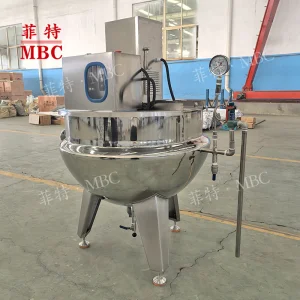
Our heating equipment, including commercial stoves, is fully CCC (China Compulsory Certification) certified. Additionally, our jacketed kettles hold both CCC and the National Pressure Vessel Manufacturing License, allowing customers to purchase with confidence and operate with peace of mind.
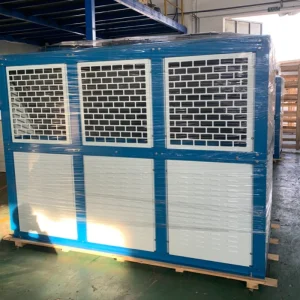
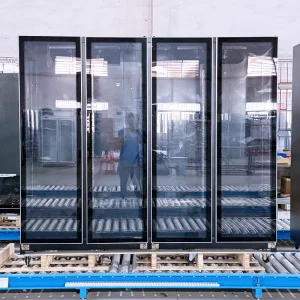
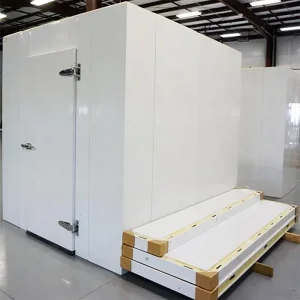
In the refrigeration sector, we combine high standards with custom manufacturing. We build each product to satisfy national quality standards while customizing technical parameters, voltage, and configurations to match each client's specific application and usage environment.
Feijin’s stainless-steel preparation equipment is built using high-grade 304 or 201 stainless steel. With meticulous attention to load-bearing design, craftsmanship, and finishing details, we ensure every piece of equipment delivers long-term stability and reliability.
Expert insights addressing key operational, technical, and maintenance questions for bakery owners and procurement leads.
Weight accuracy depends on maintaining uniform pressure in the measuring chamber and consistent dough density. Volumetric dividers utilize adjustable pistons and pressure sensors to control chamber filling. To prevent variance, bulk dough levels in the hopper must be kept relatively constant, as weight head pressure affects density. Modern PLC-controlled systems automatically adjust cycle times and chamber volumes to compensate for changes in dough temperature and gas buildup.
Artisan doughs feature high water hydration (65-80%) and undergo long fermentation periods that create a delicate, gas-filled cellular structure. Standard piston dividers can crush these gas pockets and tear the gluten matrix, resulting in a dense crumb. Stress-free dividers use gentle suction or gravity-driven shear blades to portion the dough without compressing it, preserving the gas cells required for an open, airy crumb in the final baked loaf.
Sanitation is critical to prevent yeast buildup, mold, and bacterial growth. Our equipment features food-contact surfaces designed for quick cleaning, including toolless disassembly of pistons, hoppers, and belts. Operators should scrape away dough residue daily, wash belts with food-grade sanitizing solutions, and clean the division chambers. Stainless steel parts are corrosion-resistant, protecting the equipment during washdown routines.
We supply commercial kitchen equipment worldwide, customized to local electrical specifications. During procurement, we confirm your facility's voltage and frequency (e.g., 220V/50Hz single-phase, 380V/50Hz three-phase, or 460-480V/60Hz three-phase). Our production engineering team ensures all electrical components, motors, and contactors are correctly specified for stable operation on your local power grid.
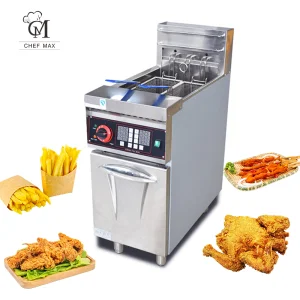
Browse our selection of commercial refrigeration units, pizza ovens, deep fryers, and high-performance manufacturing machinery.
 Linru Kitchen Equipment