Explore our high-performance thermal heating, cooling, and processing solutions built to meet rigorous industrial sanitation and productivity standards.
An in-depth analysis of high-efficiency thermal holding technologies in modern hospitality, institutional dining, and industrial catering systems.
The global commercial catering environment is undergoing an unprecedented transition. Driven by energy efficiency regulations, strict health and safety standards, and the rapid rise of central kitchens and cloud kitchens, traditional open-flame heating methods are being systematically replaced by electric thermal holding technologies. At the heart of this transition is the commercial electric soup kettle. As a critical piece of equipment designed to keep liquid dishes, soups, sauces, stews, and gravies at precise, food-safe temperatures, the electric soup kettle is no longer just a warming vessel—it is an optimized thermal management device.
In regions such as North America and the European Union, food safety laws require strict adherence to HACCP guidelines. Prepared food must be kept above 60°C (140°F) to prevent the growth of harmful bacteria. Electric soup kettles utilizing double-wall wet heating (water bath/bain-marie) or advanced dry-heating elements provide the precise thermostatic control necessary to maintain these temperatures over extended periods without altering the culinary quality, texture, or flavor profiles of the ingredients. Consequently, this equipment has become a standard installation in hotel buffets, hospital catering, school dining halls, military bases, and cruise line galleys globally.
From a manufacturing and distribution perspective, the market is characterized by a strong demand for customized configurations. Importers and commercial kitchen suppliers look for robust OEM/ODM factories capable of modifying structural elements (such as food-grade SUS304 vs SUS316 stainless steel inserts), upgrading control systems (analog dial vs digital microcomputer controls), and adjusting electrical specifications to comply with regional grids (from 110V-120V setups in the US to 220V-240V configurations in Europe and Asia). Meeting these requirements demands an experienced manufacturer with deep technical expertise and certified production facilities.
Why global procurement agencies, wholesalers, and commercial kitchen suppliers trust our manufacturing integrity and advanced engineering.
Feijin Import & Export operates with 15 years of industry experience. Our products, including heating stoves, possess full-range CCC (China Compulsory Certification). Furthermore, our jacketed kettles carry the National Pressure Vessel Manufacturing License, ensuring safety and compliance on all levels.
For high-capacity thermal and refrigeration equipment, we blend rigorous standards with tailored modifications. We match regional regulatory parameters, voltage grids, and dimensional requirements, ensuring seamless deployment in specialized local catering markets.
Our commercial equipment, mixing tanks, and preparation units are manufactured from heavy-duty SUS304 or SUS201 stainless steel. Focused engineering ensures structural integrity under high loads, resistance to chemical corrosion, and superb sanitation in food-processing zones.
Shandong Linru Import & Export Trading Co., Ltd. has developed from a single line of kitchen stoves into a highly diversified portfolio of branded solutions. Our core belief remains unchanged: long-term quality and rejection of low-cost, inferior compromises earn client trust.
Key market dynamics, design innovations, and environmental standards defining the next generation of food warming appliances.
Traditional bimetallic thermostat systems are rapidly giving way to digital microcomputer controllers. These new units allow users to adjust temperatures with single-degree precision, display active cooking data, and maintain absolute stability. In advanced models, integrated IoT modules can transmit operating temperatures to centralized HACCP monitoring databases. This allows kitchen managers to verify compliance with food-safety regulations automatically, eliminating manual temperature logs.
As energy costs rise worldwide, thermal retention efficiency has become a critical metric. Modern soup kettles integrate high-density polyurethane injection foam or double-wall vacuum insulation to surround the heating core. This prevents thermal loss to the ambient environment, lowering power consumption and keeping the exterior casing cool to the touch. This "cool-touch" design is a crucial safety upgrade that reduces workplace burns in busy commercial kitchens.
While classic wet-heating kettles (which require water in an outer jacket to distribute heat) remain standard for delicate dairy-based soups, modern dry-heating technology is seeing significant growth. Advanced dry-heat elements utilize multi-point heating grids surrounding the inner liner, eliminating the need to monitor water levels or clean lime scale out of the heating chamber. This reduces maintenance labor while still preventing localized hot spots and burnt food.
Due to the acidic nature of many soups (containing tomato, vinegar, or citrus bases), internal pots are increasingly constructed of high-grade 304 or 316 stainless steel. These alloys offer superior resistance to pitting and corrosion, ensuring that metals do not leach into the food over long-term exposure. They also withstand the abrasive cleaning chemicals used in high-volume, institutional sanitizing processes.

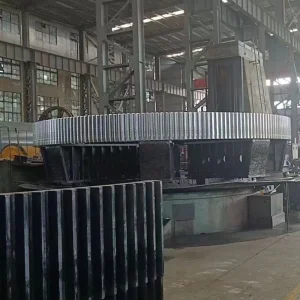
Our advanced manufacturing facility integrates automated tooling and precision quality check procedures to yield reliable, compliant products.
How electric soup kettles are adapted to perform across diverse operational environments around the world.
In luxury hotel buffets and executive dining lounges, visual appeal is as important as functionality. For these operations, OEM configurations focus on polished stainless steel or matte black finishes, copper-plated accent trim, and counter-integrated drop-in designs that align with the elegant aesthetic of contemporary serving lines.
Healthcare facilities demand extreme sanitization and absolute temperature logging. Here, the focus shifts to digital microcomputer interfaces that support continuous temperature monitoring and alarm alerts. These verify that contents remain strictly above critical food-safety thresholds, protecting vulnerable patients.
School cafeterias, military mess halls, and industrial factory canteens require maximum durability. Kettles for these environments feature heavy-gauge SUS304 steel inserts, reinforced handles, split-hinged heavy-duty lids, and simple manual controls that withstand hours of continuous, rough daily operation.
A visual overview of our industrial strength and international supply chain footprints.
As we look toward the 2025–2030 development cycle, the engineering of commercial thermal equipment is shifting toward carbon neutrality, intelligent self-diagnostics, and structural modularity.
Modern commercial kitchens operate as integrated ecosystems. An OEM/ODM electric soup kettle must work seamlessly alongside prep tables, convection ovens, and high-speed processing lines to optimize culinary workflows.
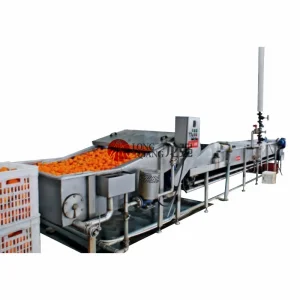
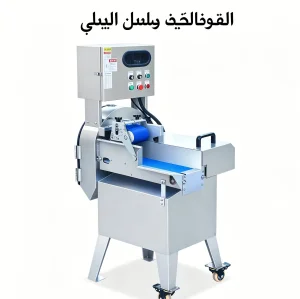
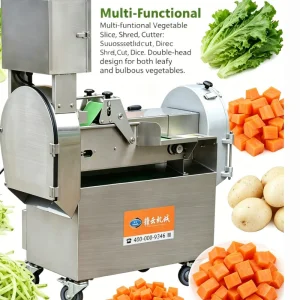
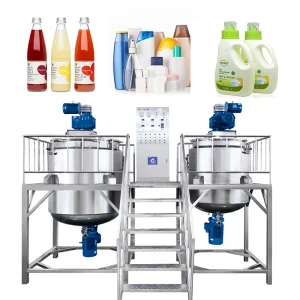
For example, industrial kitchens combine vegetable preparation equipment (such as our commercial cutting machines) and high-speed emulsifying mixing tanks to batch-produce large quantities of soups. These batches are then transferred directly into electric soup kettles for transport, holding, and serving. By linking these processes, commercial kitchens can drastically reduce preparation labor, minimize waste, and maintain consistent quality.
Expert responses to common technical queries regarding commercial soup warming equipment, installation, and compliance.
Wet-heating kettles use a water jacket (bain-marie method) to gently surround the inner container with steam and hot water, preventing scorching. This is perfect for delicate, dairy-based soups. Dry-heating kettles use direct heating elements built into the double wall, eliminating the need to monitor water levels and clean out lime scale, which significantly reduces daily maintenance.
For maximum durability, SUS304 or SUS316 food-grade stainless steel is highly recommended for the inner container. These alloys contain chromium and nickel, providing excellent resistance to corrosion from food acids (like tomato sauce or vinegar). SUS201 is suitable for dry exterior structural shells but should be avoided for direct food contact in highly corrosive environments.
Yes. Our commercial heating equipment holds full-range CCC (China Compulsory Certification). For industrial-scale jacketed boilers and pressurized equipment, we are certified with the National Pressure Vessel Manufacturing License. We regularly collaborate with our global OEM/ODM clients to build equipment that meets CE, UL, ETL, and RoHS standards.
According to HACCP food safety standards, hot food must be kept above 60°C (140°F) to stay out of the bacterial "danger zone." Our digital microcomputer control systems regulate heating elements within a strict 1°C window, ensuring food is held safely without drying out or burning.
Absolutely. Through our ODM services, we modify heating coils, control boards, and power plugs to match any local electrical standards. We support 110V–120V (60Hz) configurations for North America, as well as 220V–240V (50Hz/60Hz) options for Europe, Asia, and South America.
Always unplug the unit and let it cool completely. Remove the inner stainless steel container and wash it with warm, soapy water. For wet-heat units, clean the water well weekly to remove minerals and scale. Never submerge the outer body containing the electrical elements in water; simply wipe it down with a damp microfiber cloth.
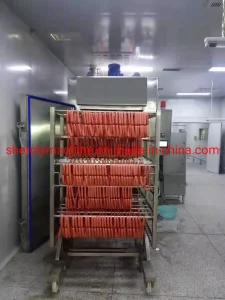
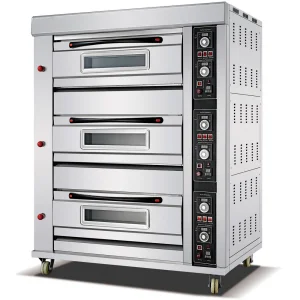
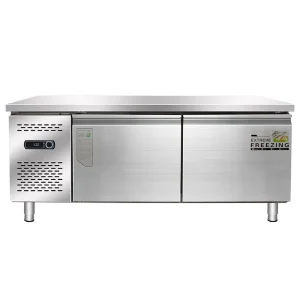
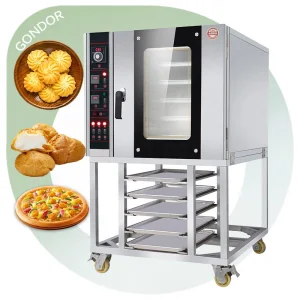
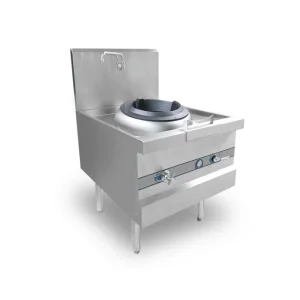
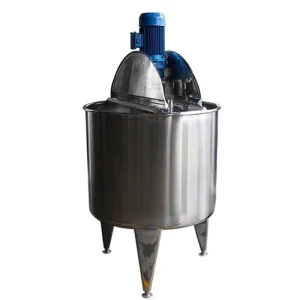
A comprehensive catalog of industrial ovens, mixing equipment, and prep stations engineered for continuous commercial kitchen operations.
 Linru Kitchen Equipment