Engineered for durability, absolute thermal efficiency, and severe environments.
A detailed whitepaper addressing thermodynamic efficiencies, sustainability protocols, and B2B requirements.
The global demand for industrial and commercial ice machines has undergone a tectonic shift. What was once a simple mechanical thermodynamic process has transformed into a highly engineered technology space driven by IoT connectivity, advanced material sciences, and green regulations. Large-scale processors, logistics systems, and regional hospitality networks no longer seek generic units. Instead, they demand highly customized cooling solutions.
This evolution is centered around the need for higher thermal performance in tropical ambient conditions, longer operational lifetimes in corrosive saline environments, and complete compliance with global food-contact sanitation criteria.

With the gradual phasing down of HFCs globally under the Kigali Amendment, leading manufacturers are moving quickly to lower-GWP (Global Warming Potential) alternatives like R290 (Propane) and R448A. Achieving compliance is no longer optional—it is a critical requirement for accessing tier-1 Western European and North American markets.
For international sourcing directors and procurement heads, evaluating a cooling ice machine supplier requires looking beyond the initial capital expenditure (CAPEX). Modern evaluation frameworks prioritize the Total Cost of Ownership (TCO), focusing heavily on:
Our manufacturing processes are engineered to turn complex custom requirements into reality.
We configure evaporator geometry, refrigerant metering, and compressor sizing to match local water parameters and ambient temperatures, ensuring consistent ice production even in challenging environments.
Our control panels feature Modbus/Ethernet connectivity, allowing operators to monitor cycle times, ice thickness, and sanitization schedules remotely while predicting maintenance needs.
Every refrigeration system is fully certified to meet national and international quality standards, backed by CCC and National Pressure Vessel Manufacturing Licenses.
Cooling ice machines are critical across many modern industries. Our engineering division designs specialized setups for:
Shandong Linru is committed to pioneering technological advancement. Our R&D roadmap is focused on three main pillars:
1. Natural Refrigerant Optimization: We are transitioning our commercial lines toward ultra-low GWP natural refrigerants, particularly R290, R600a, and CO2 (R744) systems, to minimize carbon footprints.
2. Smart Water Conservation: Integrating closed-loop greywater purification sensors and advanced recirculating pumps to reduce total water waste during defrost cycles.
3. Advanced Materials: Introducing antimicrobial silver-ion composite resins within the internal ice chute structures to inhibit biofilm accumulation and simplify routine sanitation.
Shandong Linru Import & Export Trading Co., Ltd. (also known as Feijin Import & Export) represents the peak of commercial culinary and industrial cooling engineering.
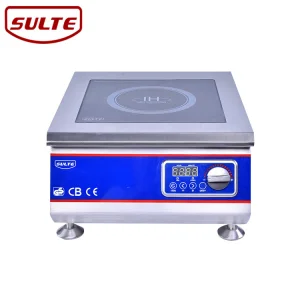
Our heating products, including commercial stoves, have obtained full-range CCC (China Compulsory Certification). In addition, our jacketed kettles are certified not only with CCC but also with the National Pressure Vessel Manufacturing License, ensuring customers can purchase with confidence and use with peace of mind. We reject low-cost, low-quality shortcuts to ensure every piece of equipment delivers long-term stability and reliability.
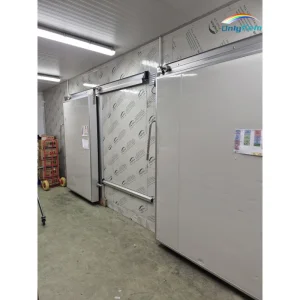
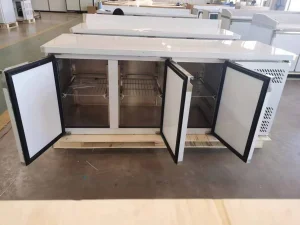
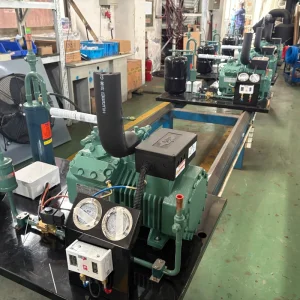
For refrigeration products, we combine high standards with personalization — guaranteeing full compliance with national quality standards while tailoring technical parameters, capacities, electrical configurations, and refrigerant choices to match each client’s specific application and local environment.
Detailed technical answers to help you make informed procurement decisions.
Premium hardware solutions designed to optimize your commercial operations.
 Linru Kitchen Equipment