Engineered to comply with rigorous culinary environments, sanitation requirements, and high load-bearing operations.
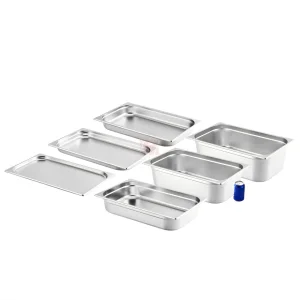

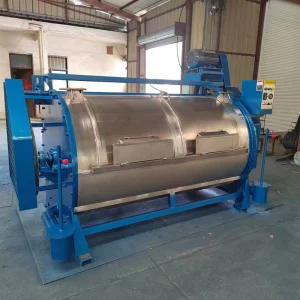
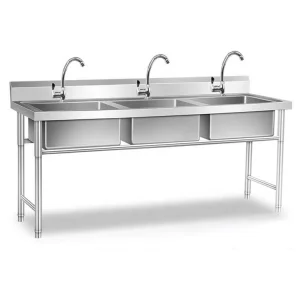
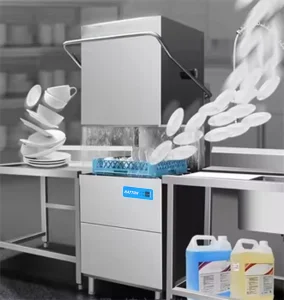
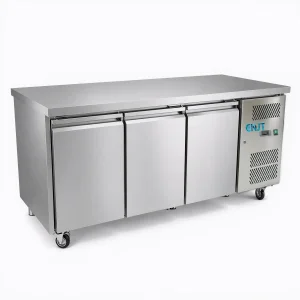
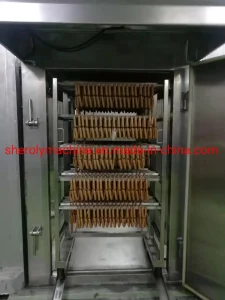
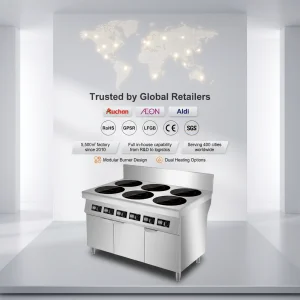
As a foundational pioneer in the global commercial culinary equipment space, Shandong Linru Import & Export Trading Co., Ltd. (Feijin Import & Export) has spent over fifteen years building high-tier commercial solutions. What began as a premium, single line of kitchen stoves has developed into a complex global engineering outfit covering commercial kitchen preparation, refrigeration systems, and high-efficiency automation machinery.
We believe that long-term industrial success is built upon consistent quality. By rejecting low-cost, short-lived materials, we design hardware optimized for thermal stress, structural loads, and high mechanical fatigue. In the highly demanding sphere of food preparation and refrigeration equipment, our engineering criteria strictly adhere to and exceed national quality standards.
Our commitment to rigorous regulatory compliance is demonstrated by our full-range CCC (China Compulsory Certification) safety credentials. Furthermore, our industrial jacketed kettles and pressurized preparation hardware are backed by the National Pressure Vessel Manufacturing License, providing operators and distribution partners complete confidence in high-temperature, high-pressure environments.

Every piece of equipment is meticulously crafted and inspected to ensure long-term stability, sanitary construction, and peak operational safety in commercial configurations.
Analyzing market trends, labor constraints, and the transformation toward automated central kitchens.
Global hospitality, fast food, and large-scale food distribution sectors are dealing with rising labor costs and shortages. Manual cutting, washing, and processing lines are no longer financially viable. Automated vegetable preparation machines ensure consistent output, lowering manual overheads by up to 80%.
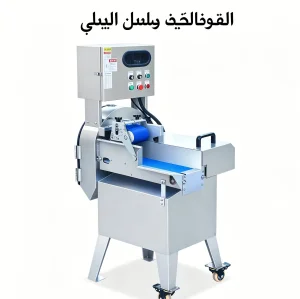
Whether for large catering operations or multi-location chain restaurants, uniformity of cut size directly impacts cooking time, product yield, and flavor consistency. Advanced OEM multi-functional cutters deliver uniform slices, strips, cubes, and shreds at scale.
Cross-contamination and food safety hazards are major vulnerabilities for industrial food operations. By using premium food-grade SUS304 stainless steel, modern prep machines minimize microbial adhesion, allowing for quick washdowns and thorough disinfection cycles.
In the contemporary landscape of food technology, raw material processing acts as a key bottleneck. Without optimized industrial mechanical preparation systems, downstream processes—such as cooking, blast-freezing, packaging, and commercial distribution—lose efficiency. Industrial food processors require specialized machinery designed to withstand continuous, high-volume operation while maintaining the delicate cell structure of processed vegetables to preserve moisture, texture, and nutritional value.
How customized manufacturing configurations solve distinct logistics, processing, and capacity demands across different sectors.
Standard, off-the-shelf equipment rarely matches the layout, capacity, or specific cutting styles needed for high-throughput operations. Shandong Linru (Feijin) bridges this gap with structured OEM and ODM development channels. We design systems to handle a wide range of vegetable types—from root vegetables like taro, ginger, and potatoes to leafy varieties like spinach, lettuce, and cabbage.
Our OEM design services focus on critical factors including motor torque selection, blade metallurgical composition, variable frequency control, and automatic cleaning systems. These custom integrations ensure our machinery fits smoothly into existing washing, sorting, peeling, and packaging lines, minimizing line downtime and optimizing energy consumption.
Analyzing processing capacity (kg/hr), vegetable physical characteristics, cut geometries, and facility spatial footprints.
CNC laser cutting and shaping of thick SUS304 plate structures to ensure high structural rigidity and stable continuous operation.
Assembling motors, safety sensors, variable frequency drives (VFD), and testing under simulated peak load conditions.
Detailed technical overview of metallurgy, safety features, and pressure vessel engineering.
Our equipment utilizes premium 304 and 201 stainless steel. SUS304 offers exceptional corrosion resistance against organic plant acids and chlorinated sanitizers, ensuring your machinery remains durable and food-safe over decades of service.
High-torque cutting can cause frame vibration, which leads to uneven cuts and premature bearing wear. Our frames feature heavy-duty steel plate construction, reinforced mounting blocks, and dynamic balancing of all rotating assemblies.
Operator safety is vital. Our machines are built with magnetic safety switches, emergency stop buttons, physical blade guards, and waterproof control enclosures (IP65/IP66) to prevent electrical faults during washdowns.
In addition to vegetable cutting technology, Shandong Linru's fabrication capabilities extend to highly specialized thermodynamic machinery. Our jacketed kettles are built in compliance with China's National Pressure Vessel Manufacturing License, utilizing certified welding processes, pressure testing, and safety release valves to guarantee safe operation at high pressures. This engineering expertise ensures all our commercial kitchen and processing systems are constructed to the highest safety and durability standards.
From institutional kitchens to fast-paced commercial production environments.
Hospitals require high standards of hygiene and consistency. Our stainless steel preparation systems make it easy to process soft and dietary-specific vegetables, keeping prep areas sanitary and easy to clean.
For high-volume fast-food chains, speed and portion control are essential. Our multi-functional dicing and slicing systems deliver consistent cuts for toppings and salads, minimizing food waste and keeping service moving fast.
Preparing thousands of meals daily requires efficient, high-volume equipment. Our heavy-duty cutting machines process large batches of root and leafy vegetables quickly and safely, helping schools serve healthy meals on schedule.
The convergence of automation, smart control systems, and sustainable food processing.
The commercial food sector is moving quickly toward digital, data-connected operations. Shandong Linru is leading this shift by developing smart control panels and automated blade adjustment systems. By integrating advanced PLC controls and variable speed drives, operators can switch cutting settings with a simple tap on a screen, reducing manual adjustments and setup time.
At the same time, sustainability and resource conservation are core focuses of our research and development. We are designing energy-efficient motors and low-water consumption cleaning cycles into our processing lines. These advancements help commercial kitchens lower their utility costs and reduce their environmental impact, without compromising on performance.
Technical answers regarding customization, compliance, materials, and ordering logistics.
We primarily construct our food-contact zones and primary structural frameworks using high-grade SUS304 stainless steel, which offers excellent corrosion resistance and sanitization capabilities. For non-contact structural supports or custom cost-sensitive setups, SUS201 stainless steel options are also available.
Yes. All our heating and preparation equipment carry full-range China Compulsory Certification (CCC). Additionally, our pressurized systems, including jacketed kettles, are manufactured under our National Pressure Vessel Manufacturing License, meeting strict safety and engineering standards.
Absolutely. As an OEM manufacturer, we design and produce custom cutting heads, slicing plates, and dicing grids to match your exact processing requirements. Simply share your target dimensions and vegetable types, and our engineering team will handle the rest.
Lead times depend on the level of customization required. Standard modified units are generally completed in 15 to 30 days, while custom-engineered production lines may take 45 to 60 days to allow for detailed drafting, assembly, and testing.
Discover more high-durability systems from our global supply network.
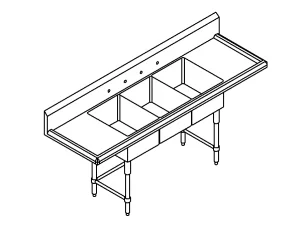
 Linru Kitchen Equipment