In the contemporary global landscape, the demand for precision-engineered cold chain systems has reached an unprecedented scale. Rapid urbanization, evolving dietary demographics, and the astronomical expansion of pharmaceutical logistics (specifically temperature-sensitive biologics and vaccines) have positioned portable refrigeration units at the epicenter of modern distribution frameworks. Once limited to simple ice-cooled operations, the current market demands micro-cooling architectures integrated with advanced thermodynamics, real-time telemetry, and resilient backup power systems.
According to macro-economic research, the global cold chain logistics market is projected to grow exponentially over the next decade. Standard logistics frameworks often fall short during the critical "last-mile" phase, where thermal fluctuations pose significant hazards of spoilage and asset degradation. Portable refrigeration units serve as a critical bridge, allowing operators to deploy compact, reliable, and highly modular chilling systems across maritime, overland, and micro-transit delivery networks without requiring full-scale refrigerated trucks or static cold rooms.
Furthermore, climate policies and environmental legislation, including the European Union F-gas regulations and the Kigali Amendment, have shifted the manufacturing focus toward green alternatives. Leading manufacturers are now implementing energy-efficient DC variable-speed compressors and alternative eco-friendly refrigerants like propane (R290) and isobutane (R600a), minimizing Global Warming Potential (GWP) while optimizing thermodynamic Coefficient of Performance (COP).
The industrial portable refrigeration sector is in the midst of a technological transition driven by smart grid integration, automated temperature data logging, and lightweight structural alloys. Today's commercial operators look beyond basic refrigeration; they seek structural resilience and versatile power compatibility. Industrial fleets require systems capable of switching smoothly between DC vehicle inputs (12V/24V) and domestic or industrial AC power grids (110V/220V/380V) without experiencing system interruptions or thermal spikes.
Direct integration with dynamic automotive and industrial power supplies, preventing micro-cuts and electrical overloading.
Advanced digital thermostats and variable capacity control systems lower power draw, reducing aggregate operating costs.
Embedded sensors monitor compressor duty cycles, oil levels, and thermal trends to provide predictive failure alerts.
In North American and Western European markets, strict regulations like FDA Food Safety Modernization Act (FSMA) and HACCP dictate that temperature-sensitive products must have continuous, auditable temperature records. This has driven the adoption of IoT-enabled, GPS-tracked portable units. Our research shows that failure to maintain a stable, documented cold chain accounts for up to 30% of global food loss and pharmaceutical waste during transport. Incorporating reliable mobile refrigeration units protects both product integrity and brand reputation.
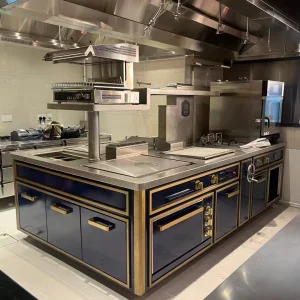
Shandong Linru Import & Export Trading Co., Ltd. is a professional enterprise integrating the production and sales of commercial kitchen equipment. With 15 years of experience in the field, we have grown from a single line of kitchen stoves to a diversified portfolio of high-quality branded products. From the very beginning, we have been committed to improving our product quality step by step, firmly believing that only by ensuring consistent quality can we truly earn our customers’ trust and recognition.
In the field of refrigeration equipment, we adhere to strict quality standards and rigorous requirements. Every product is built to meet national quality standards, customized to satisfy client needs, and crafted with attention to detail that reflects our company’s commitment to excellence. Through our dedicated production arm, Feijin Import & Export, we have built a reputation for high-precision metal processing, reliable foaming insulation, and robust refrigeration engineering.

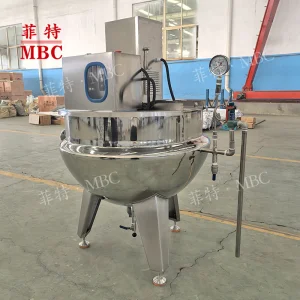
Our heating products, including stoves, have obtained full-range CCC (China Compulsory Certification). In addition, our jacketed kettles are certified not only with CCC but also with the National Pressure Vessel Manufacturing License, ensuring customers can purchase with confidence and use with peace of mind. By combining heavy-duty pressure vessel engineering with high-precision food preservation solutions, we are uniquely equipped to support massive catering deployments, industrial processing facilities, and custom OEM setups.
Off-the-shelf refrigeration systems rarely align with specialized fleet layouts or niche industrial processes. A custom OEM partner must evaluate multiple design aspects, from electrical requirements to mechanical stability. Shandong Linru's customization workflow addresses critical variables: thermal load calculations, spatial limits, structural conditions, and power supply profiles.
Our custom shells are fabricated using high-grade SUS304 or SUS201 stainless steel, providing durability and chemical resistance against corrosive sanitizers. We also offer marine-grade aluminum and UV-stabilized heavy-duty polymer enclosures for marine environments, desert transport, or chemical transport applications.
Using computerized high-pressure polyurethane injection systems, we achieve a consistent foaming density of >42 kg/m³. This dense thermal barrier minimizes ambient heat transfer, allowing the compressor to run less frequently. As a result, the unit consumes less energy and its operational lifespan is extended.
We configure electrical panels to support multiple voltage standards: 12V/24V DC for mobile platforms, 110V/220V AC for retail installations, and 3-phase 380V/480V AC for bulk industrial operations. Additionally, we integrate automatic voltage regulators and soft-start systems to protect compressors from voltage fluctuations when drawing power from portable generators.
Diverse environmental and logistical factors require localized solutions. High-performance portable refrigeration systems adapt to unique field demands, ranging from heavy-duty catering facilities to agricultural processing lines.
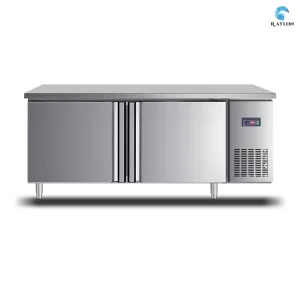
In dense urban markets like Tokyo, London, or New York, micro-delivery vehicles require compact, high-efficiency refrigeration units. By mounting undercounter prep tables or mobile cooling units onto light commercial fleets, distributors maintain the cold chain directly to local restaurants. This maintains product freshness and prevents condensation buildup during frequent door openings.
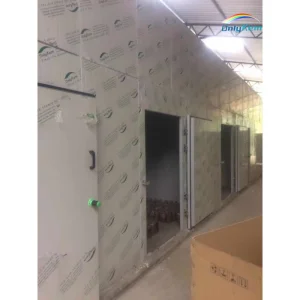
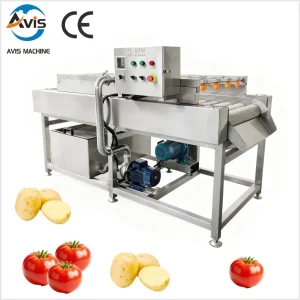
For operations using industrial prep machines—such as citrus, carrot, or cassava cleaning systems—pre-cooling immediately post-harvest is essential to preserve vitamins and extend shelf life. Deploying portable walk-in freezers and field-ready coolers right beside cleaning machines allows operators to wash, sort, and cool produce in a single workflow. This preserves product quality before long-distance transport.
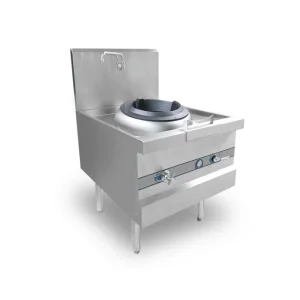
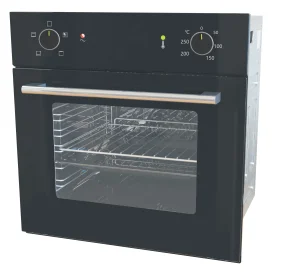
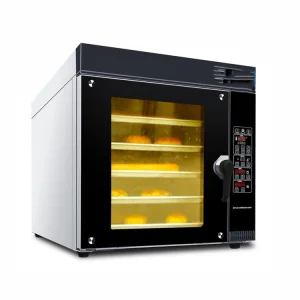
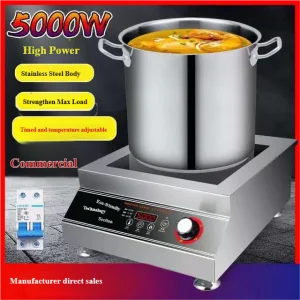
On remote exploration vessels, military sites, or mining camps, cooking systems like wok ranges and convection ovens work in close proximity to food storage. The kitchen environment often experiences high ambient humidity and temperatures reaching up to 45°C. In these environments, standard commercial refrigerators can fail. Custom-designed portable refrigeration units feature heavy-duty condensers and reinforced door seals, keeping ingredients fresh even next to high-heat commercial stoves.
With 15 years of experience in commercial kitchen equipment manufacturing, Feijin Import & Export is committed to continuous product refinement, rejecting low-cost, low-quality shortcuts to ensure every piece of equipment delivers long-term stability and reliability.
For refrigeration products, Feijin Import & Export combines high standards with customization — guaranteeing full compliance with national quality standards while tailoring technical parameters to match each client’s specific application and usage environment.
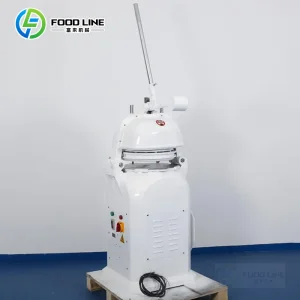
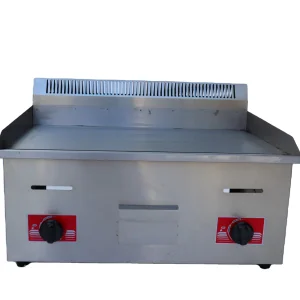
Feijin’s stainless-steel preparation equipment is built using high-grade 304 or 201 stainless steel, with meticulous attention to load-bearing design, craftsmanship, and finishing details, ensuring both durability and aesthetic excellence.
With 15 years of experience in commercial kitchen equipment manufacturing, Feijin Import & Export is committed to continuous product refinement, rejecting low-cost, low-quality shortcuts to ensure every piece of equipment delivers long-term stability and reliability.
The next era of mobile thermal management focuses on efficiency, automation, and environmental responsibility. We design our engineering platforms with clear technology roadmaps, preparing our products for tomorrow's regulatory and commercial environments.
By transitioning from standard polyurethane foam to micro-porous silica vacuum insulation panels, we can reduce insulation thickness by 50% while maintaining thermal resistance. This increases the internal storage volume by up to 25% without changing the outer dimensions of the unit.
Integrating high-efficiency solar cells onto the exterior casing of portable containers allows units to run off solar power in remote locations. This charges the internal battery system directly and extends off-grid operation by up to 72 hours, reducing dependency on fossil fuel generators.
Using integrated sensor arrays connected to secure cloud platforms, our refrigeration units continuously monitor compressor currents, condenser temperatures, and evaporator pressure curves. Machine learning algorithms analyze this data to predict mechanical issues, alert fleet managers before temperature failures happen, and optimize cooling cycles to save energy.
 Linru Kitchen Equipment