The commercial foodservice sector is currently undergoing a massive structural shift. High-capacity kitchens, franchise chains, and large food production units are rapidly transitioning from traditional gas-fired units to advanced industrial electric fryers. This global trend is driven by strict environmental policies, the push for net-zero carbon footprints, and the clear operational advantages of precise electric thermal transfer.
In the past, gas was favored for its quick heating capacity. However, modern engineering has closed this gap. Advanced heating elements engineered by top China factories deliver up to 92% energy efficiency, compared to just 50% to 60% in traditional gas setups. This means less heat is wasted into the kitchen space, dramatically reducing HVAC loads and operating costs.
Modern commercial kitchens demand precision. Microprocessor-controlled PID thermostats minimize oil temperature fluctuations to within 1°C, reducing oil absorption and ensuring consistent food quality.
With global mandates pushing for carbon neutrality, electric fryers offer a zero-emission alternative at the point of use. This helps enterprises meet strict municipal venting and safety codes.
Reduced oil breakdown rates, lower energy consumption, minimized fire hazards, and easier cleaning mean commercial kitchens achieve amortization of capital expenditure much faster.
For B2B buyers, sourcing commercial fryers and food processing equipment from China requires navigating complex quality, safety, and supply chain variables. Procurement agents at multinational food brands, major hotels, and industrial kitchens do not just look at unit prices; they evaluate manufacturing capacity, material integrity, and regulatory compliance.
Crucial aspects of global enterprise procurement include:
Heavy-duty equipment must be constructed from high-grade SUS304 or SUS201 stainless steel. This ensures resistance to corrosion, rust, and physical wear under demanding multi-shift operations.
Compliance with international testing standards such as CE, UL, NSF, and China Compulsory Certification (CCC) is essential to pass local commercial building inspections globally.
Access to spare parts, modular heating element arrays, and clear engineering blueprints prevents costly kitchen downtime. B2B buyers demand factories with proven logistics capabilities.
Shandong Linru Import & Export Trading Co., Ltd. (operating with Feijin Brand commercial cooking solutions) is a premier professional enterprise integrating the research, development, production, and sales of high-performance commercial kitchen equipment.
With over 15 years of deep industry experience in the field, we have expanded from a single specialized line of commercial kitchen stoves into a highly diversified portfolio of high-end branded products. From our inception, we have been committed to refining product quality step by step. We firmly believe that only consistent quality can earn our global customers' trust and recognition.
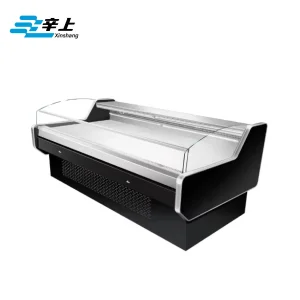
In our refrigeration equipment sector, we adhere to strict quality standards and rigorous design requirements. Every refrigerator and freezer is engineered to comply with national and international quality standards, customized to satisfy specific client demands, and crafted with meticulous attention to detail.
Our heating systems, including commercial stoves, have obtained full-range CCC (China Compulsory Certification). Furthermore, our jacketed kettles hold both the CCC and the National Pressure Vessel Manufacturing License, allowing our customers to purchase with complete confidence and operate with peace of mind.

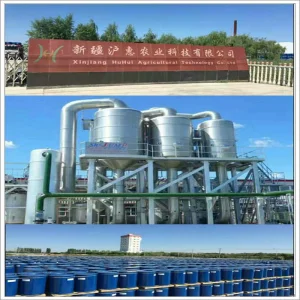
Our State-of-the-Art Production Facility & Warehousing Hub
With 15 years of experience in commercial kitchen equipment manufacturing, Feijin Import & Export is committed to continuous product refinement, rejecting low-cost, low-quality shortcuts to ensure every piece of equipment delivers long-term stability and reliability.
For refrigeration products, Feijin Import & Export combines high standards with customization — guaranteeing full compliance with national quality standards while tailoring technical parameters to match each client’s specific application and usage environment.
Feijin’s stainless-steel preparation equipment is built using high-grade 304 or 201 stainless steel, with meticulous attention to load-bearing design, craftsmanship, and finishing details, ensuring both durability and aesthetic excellence.
With 15 years of experience in commercial kitchen equipment manufacturing, Feijin Import & Export is committed to continuous product refinement, rejecting low-cost, low-quality shortcuts to ensure every piece of equipment delivers long-term stability and reliability.
In large-scale commercial kitchens, such as those found in central manufacturing plants, chain restaurants, and hotel groups, equipment cannot exist as isolated units. It must integrate into a broader operational workflow that maximizes space, optimizes oil life, and adheres to HACCP safety protocols.
Our macro kitchen solutions focus on system integration:
Integrating fryers with automatic pump-assisted oil filtration loops helps screen out micro-sediments under 5 microns. This prolongs oil lifespan by 50% and reduces waste output.
By capturing exhaust heat and vapor, modern operations pre-heat incoming water lines, reducing overall utility bills and lessening the load on local cooling systems.
Connecting fryers and ovens to a centralized dashboard allows shift managers to monitor temperature parameters, oil quality indicators, and total cooking cycles in real-time.
As we look toward 2030, commercial fryer technology is advancing toward higher automation, smarter resource conservation, and enhanced safety features. Our development roadmap centers on three main technological pillars:
Replacing traditional magnetic contactors with solid-state relays allows rapid heat pulsing, reducing thermal stress on oil and elements while preventing overheating.
In-line optical sensors will monitor Total Polar Materials (TPM) directly within the frypot. This automates oil replacement alerts based on exact chemical indicators rather than arbitrary schedules.
Fully programmable automatic lift systems will communicate with kitchen management systems to drop and raise baskets with second-level accuracy, eliminating labor error.
Modern commercial electric fryers place high-density heating elements directly inside the oil. This configuration achieves a faster heat transfer rate and keeps the "cold zone" at the bottom of the vat cooler. Sediment and food crumbs collect in this cold zone without burning, which helps preserve oil quality and extends its lifespan compared to gas fryers.
SUS304 contains higher chromium and nickel content, offering superior corrosion resistance against water, salt, and acidic food particles. While SUS201 is structurally sound and cost-effective for external cabinets, SUS304 is essential for elements and frypots to ensure long-term durability and prevent pitting.
For European markets, CE certification and RoHS compliance are mandatory. For North America, UL (Underwriters Laboratories) or ETL certification along with NSF sanitation standards are required. Shandong Linru / Feijin products are manufactured to align with international regulatory frameworks, including China Compulsory Certification (CCC).
Leveraging over 15 years of kitchen manufacturing experience, our engineering team can customize equipment dimensions, power configurations (e.g., 380V/415V three-phase systems), and thermal controller layouts. This ensures our products integrate smoothly into your existing line configurations.
This certification verifies that our manufacturing facilities meet stringent safety standards for pressure equipment, such as jacketed kettles. It ensures the structural integrity of weld seams and pressure valves, preventing hazardous incidents in busy commercial kitchens.
ROI calculations should include direct energy savings (reduced waste heat), lower HVAC expenses, and extended oil lifespan (up to 30%-50% savings via built-in filtration and cold zones). Additionally, electric units require less daily maintenance and offer longer service life, lowering the total cost of ownership.
 Linru Kitchen Equipment