Engineered by Feijin and Linru, combining 15 years of manufacturing expertise with international safety standards.

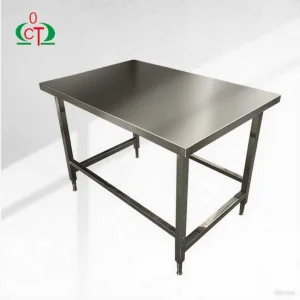
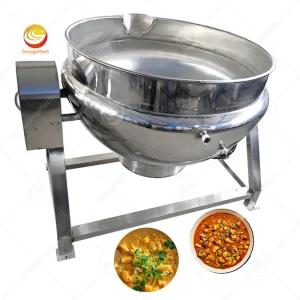
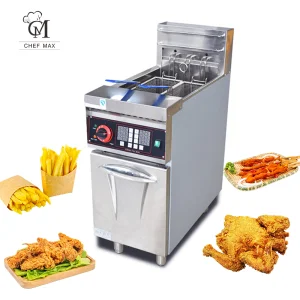
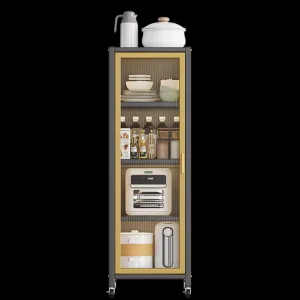
At Shandong Linru Import & Export Trading Co., Ltd. (historically collaborative with Feijin Import & Export), we have dedicated the past 15 years to perfecting the supply chain of commercial kitchen machinery and food preparation equipment. What began as a single production line for commercial kitchen stoves has blossomed into a multi-category export enterprise. Our engineering team builds upon structural integrity, manufacturing resilience, and absolute regulatory compliance.
In the highly regulated food processing sector, vegetable peeling systems stand as critical gateways to hygienic food prep. If your peeling machinery does not conform to strict safety parameters, you risk yield loss, biological contamination, and regulatory blockages at customs. Recognizing this risk, our factory works in absolute alignment with the European Union's CE Certification directives. This ensures our global buyers receive machines optimized for safety, durability, and processing speed.
We leverage 15 years of industry experience to reject cheap, short-lived components. Every system features authentic CE declarations, matching EN guidelines for mechanical and electrical safety.
Our structures utilize heavy-duty SUS 304 or SUS 201 stainless steel. This ensures resistance to biological corrosion, moisture degradation, and chemical sanitizers.
Our heating products bear full CCC (China Compulsory Certification). Furthermore, our jacketed kettles hold the National Pressure Vessel Manufacturing License, providing peace of mind to operators.
The industrial food processing landscape is shifting toward digitization, labor reduction, and yield optimization. As leading vegetable peeler factories and exporters, we are continuously modernizing our design blueprints to match these trends. Here is our technological roadmap detailing the future of vegetable processing:
Conventional peelers suffer from swift blade degradation due to soil contact and friction. Our development pipeline incorporates high-carbon martensitic steel and titanium nitride coatings. This configuration prolongs blade sharpness up to 300% compared to standard steel, ensuring uniform peeling depth and minimal pulp waste.
Future iterations of our drum and abrasive peelers feature micro-gap calibration and programmable PLC settings. Operators can adjust the peeling cycle length, brush velocity, and water rinse rates depending on the produce type—be it thin-skinned potatoes or thick-skinned root crops. This mitigates over-peeling, keeping waste metrics below 8%.
Aligned with HACCP guidelines, our future systems aim to eliminate dead zones where organic matter can collect. Smooth-welded seams, easily removable brushes, and high-pressure spray rails facilitate fast Clean-in-Place (CIP) routines, reducing sanitation downtime by half.
Our mechanical designers focus on structural ergonomics and active vibration isolation. By decoupling the drive motor from the main peeling chamber, we reduce noise output (below 72 dB) and prolong the service life of internal ball bearings under maximum capacity.
Peeling equipment does not operate in isolation. To drive profit, modern commercial kitchens, food packing plants, and central processing units require integrated line dynamics. We design systems that integrate with washing, sorting, and cutting platforms.
Large hotels and event caterers face peak preparation windows. Our high-capacity peelers handle up to 500kg of vegetables per hour, working with our premium stainless-steel prep tables to guarantee rapid, hygienic workflow progression.
Industrial food processors require deep peeling consistency to prevent discolorations in dried or canned crops. Our systems guarantee surface cleanliness without compromising the structural integrity of the crop's pulp.
Strict hygienic standards dictate this sector. Our machinery utilizes food-grade sanitization sprays during the peeling stage, which limits microbial load and extends fresh shelf-life.
The manufacturing center of Shandong Linru Import & Export Trading Co., Ltd. represents the transition of Chinese food machine manufacturing to Industry 4.0. We utilize automated steel preparation, robotic welding armaments, and standardized QA checklists to maintain quality and lead times.
By using automated laser cutting tables, we ensure that sheet metal cuts for all our peeling chambers, commercial tables, and refrigeration casings are accurate to 0.05mm. This level of precision eliminates micro-gaps at joint interfaces, preventing water seepage and bacteria accumulation. Our supply chain relies on local components, insulating our global buyers from shipping delays and rising raw material costs.

Exporting commercial kitchen equipment demands knowledge of local grid regulations, environmental mandates, and customs procedures. When you partner with us, you receive access to a team that coordinates customs clearances and technical adaptations.
We customize motors, controllers, and wiring to match local grid parameters, including European 230V/400V 50Hz, North American 110V/220V/460V 60Hz, and single or three-phase setups.
We provide accurate HS Code classification (e.g., Chapter 8438 for machinery used in the preparation of food/vegetables), helping our partners minimize import delays and balance tariff costs.
We supply English user manuals, electrical schematics, explosive part diagrams, CE certificates, and declarations of conformity with every shipment.
Browse our full range of commercial products designed to elevate operational efficiency.
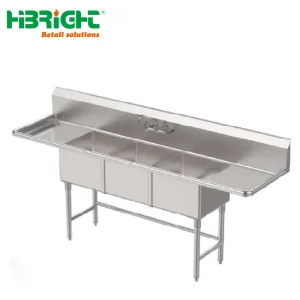
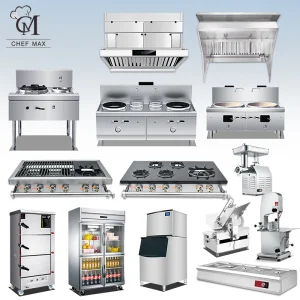
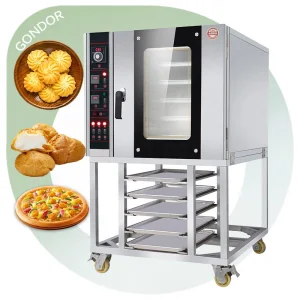
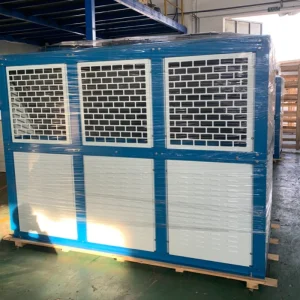
 Linru Kitchen Equipment