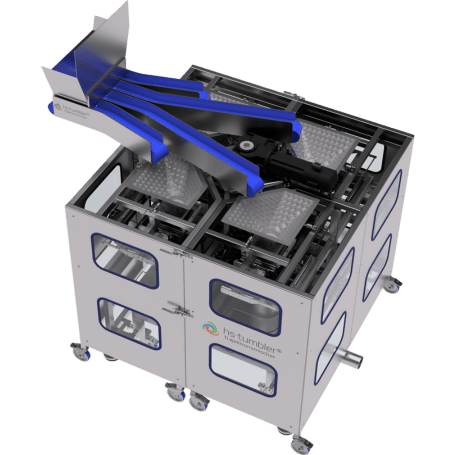
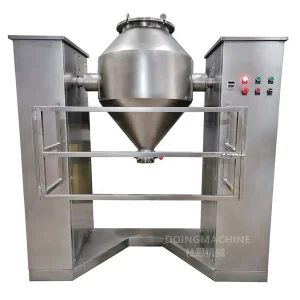
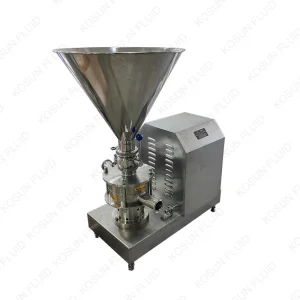
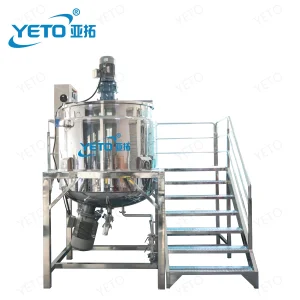
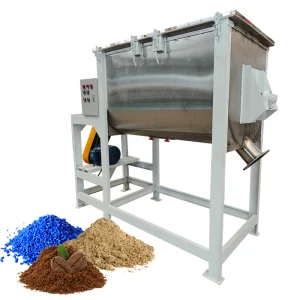
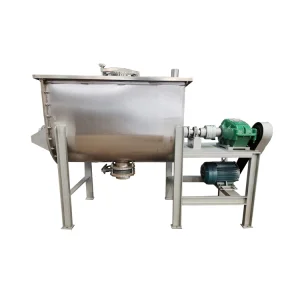
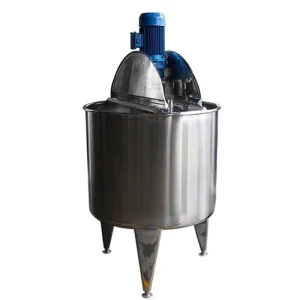
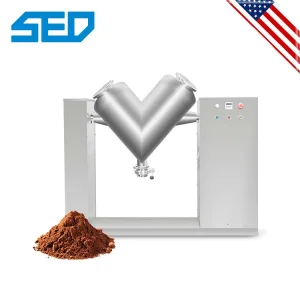
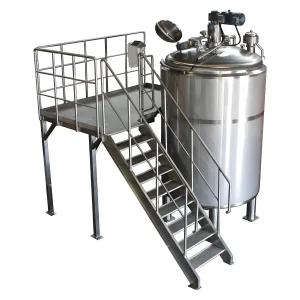
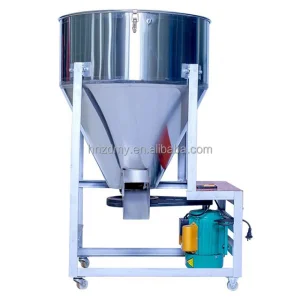
Individual mixtures directly in the process container – flexible, hygienic, and efficient for versatile applications.
In today's food processing industry, companies face significant challenges. High raw material and energy costs, along with a shortage of skilled workers, complicate the maintenance of optimal production processes. Even with a well-established production system, there is always potential for improvements and innovations that can further enhance efficiency and cost-effectiveness. A promising solution is offered by the new Trajektionsmischen mixing process. See for yourself how our process can be beneficial for your company.
-
✔
Flexible Process: Mix individual ingredients directly in the active process container.
-
✔
Hygienic Design: Minimized transfer actions protect material purity.
-
✔
Cost & Energy Efficient: Helps optimize raw material consumption and streamline operations.
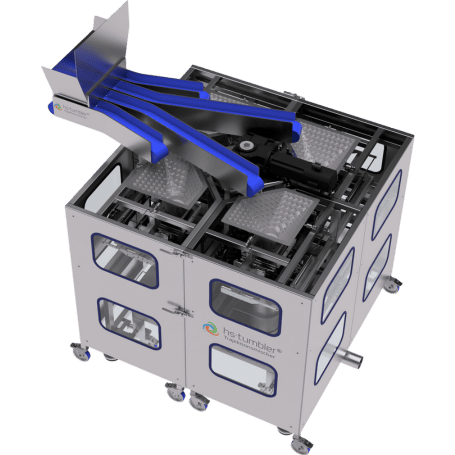
Mixed technology
Frequently Asked Questions
? What makes this mixing technology unique for food processing?
Unlike traditional systems, this process allows individual mixtures to be mixed directly within the process container. This ensures high flexibility, enhanced hygiene, and streamlined production steps.
? How does direct container mixing improve efficiency?
By processing materials directly inside the container, you reduce transfer steps, clean-up times, and raw material waste, directly improving production yield and speed.
? Can this technology help lower operational costs?
Yes. By optimizing the mixing cycle and reducing process complexity, this system helps companies mitigate high energy costs and minimize ingredient waste.
? Is the system suitable for hygienic applications?
Absolutely. Performing mixing steps in closed process containers minimizes the risk of cross-contamination, aligning perfectly with food safety regulations and hygiene standards.
? How does this mixing system address labor shortage issues?
The simplified and automated container-based workflow is easy to operate, minimizing manual errors and reducing the need for highly specialized operators.
 Linru Kitchen Equipment