Select refrigeration systems designed to meet Washington State Energy Codes and Puget Sound coastal humidity standards.
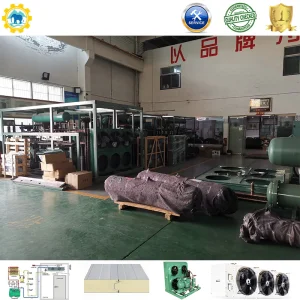
Operating a commercial kitchen, processing plant, or food logistics enterprise in Seattle, Washington, presents distinct thermodynamic and environmental challenges. As a vital gateway for trans-Pacific shipping, local fishing fleets, and tech-driven culinary expansions, the Pacific Northwest (PNW) requires refrigeration infrastructure that goes beyond standard operational capability.
The region's unique maritime temperate climate is characterized by persistently high relative humidity levels. When warm, humid air interfaces with standard evaporator systems, it accelerates frost formation on coils, forcing frequent and energy-expensive defrost cycles. This not only spikes utility costs but also introduces thermal instability, threatening critical storage zones. Our factory-engineered systems serving Seattle incorporate adaptive hot-gas defrost controls and premium marine-grade anti-corrosive coatings (such as gold-fin or blue-fin polymer applications) to ensure peak heat exchange efficiency in coastal air.
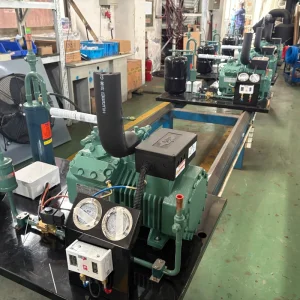
Furthermore, Washington State enforces some of the most rigorous environmental and energy laws in the nation. Navigating the Washington State Energy Code (WSEC), local municipal guidelines, and strict requirements surrounding global warming potential (GWP) of refrigerants demands advanced compressor configuration. Our systems are engineered to deploy EPA-compliant, low-GWP refrigerants alongside high-efficiency inverter compressors (such as Emerson Copeland scroll units) to ensure commercial operations remain both sustainable and legally protected.
With 15 years of industry refinement, we integrate rigorous engineering with specialized custom solutions, matching global manufacturing strength with Seattle's strict environmental compliance.

Shandong Linru Import & Export Trading Co., Ltd. (Feijin Import & Export) has grown from a specialized kitchen stove manufacturing line into a global exporter of high-grade commercial kitchen systems and industrial refrigeration equipment. We believe that consistent quality is the foundation of customer trust. That is why we reject low-cost, low-quality shortcuts in favor of long-term operational stability.
Our manufacturing processes conform to strict safety and performance guidelines. Our heating and pressurized cooking systems carry full-range China Compulsory Certification (CCC) alongside the National Pressure Vessel Manufacturing License. We apply the same level of discipline to our refrigeration systems, using high-grade SUS304 and SUS201 stainless steel to resist rust and structural fatigue. Every weld, coil, and control system is tested under extreme thermal loads before leaving our factory.
As direct exporters, we bridge the gap between factory-direct cost savings and local compliance. We coordinate voltage configurations (such as standard US 208-230V/60Hz/3Phase systems) and ensure all export paperwork, custom clearances, and overseas shipping details are managed to guarantee direct port-to-door delivery.
A look at our thermodynamic configurations, thermal dynamics, and components designed for commercial and industrial applications.
Unlike traditional compressors that cycle on and off (leading to temperature swings and high electrical startup spikes), our modern inverter compressor configurations adjust motor speed dynamically. This delivers precise temperature management within 0.5°C, reducing wear and saving up to 35% in energy usage.
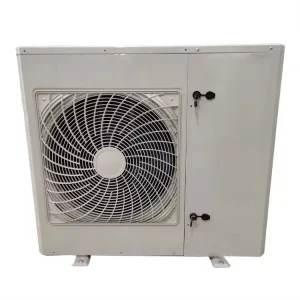
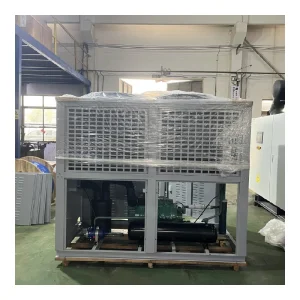
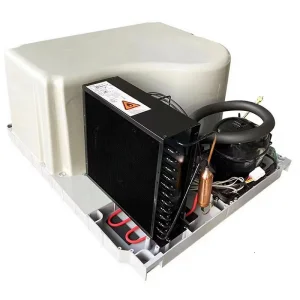
Optimized for fast installation and space-constrained kitchens. Monoblocks consolidate the evaporator, condenser, compressor, and expansion valve into a single, pre-charged unit. They eliminate complex field refrigerant piping, reduce leaks, and simplify servicing.
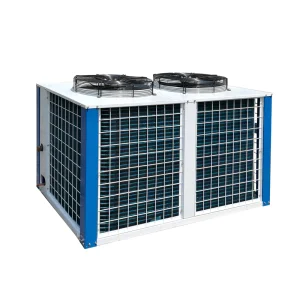
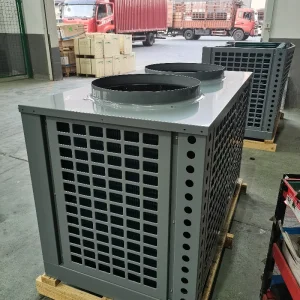
Designed specifically for coastal zones. Standard aluminum coils oxidize quickly in salty, humid marine environments, lowering heat exchange efficiency. Our gold-fin heat exchangers feature an anti-corrosion polymer coat to double the service life of outer condensing units.
We customize our refrigeration equipment to support the specific needs of diverse local businesses across Seattle:
For fresh salmon, crab, and groundfish operations at the Port of Seattle. Our multi-stage condensing units support fast blast freezing at temperatures as low as -40°F, preserving cell structure, texture, and product quality.
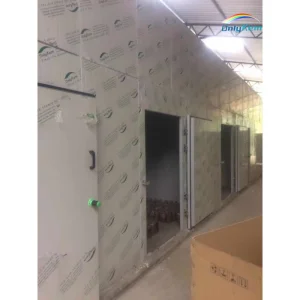
Precision temperature walk-in coolers configured with glycol heat exchangers. Maintains consistent storage temperatures for yeasts, hops, and finished barrels to protect fermentation profiles.
Optimized for busy urban restaurants and grocers in Downtown Seattle and Capitol Hill. Built to withstand frequent door openings while maintaining uniform cooling, low energy consumption, and quiet operation.
Building codes in the Pacific Northwest require commercial operations to carefully manage their carbon and energy footprints. We build our equipment to align with these guidelines:
* Data based on our standard production tests. Contact us for custom configurations to meet specific project needs.
Our ongoing research and development focusing on clean energy transitions, IoT smart monitoring, and sustainable materials.
Our factory is transitioning production lines to support natural refrigerants like Propane (R290) and Carbon Dioxide (CO2). This shift helps clients comply with changing regulations and reduces carbon footprints while maintaining strong thermodynamic performance.
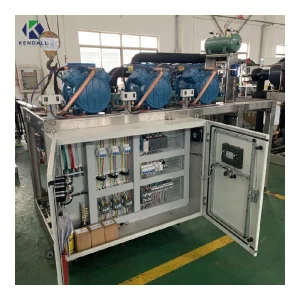
We are adding IoT control modules with cloud connectivity to our condensing units. These systems monitor compressor health, system pressure, and temperature deviations in real time, alerting operators before components fail.
To help balance peak power demands, we are developing phase-change thermal storage modules. These units run sub-cooling cycles during cheaper off-peak hours, providing cooling during peak demand times without extra power draw.
Common questions about commercial refrigeration design, importing to Seattle, and regulatory compliance.
Monoblock units consolidate all refrigeration parts into one pre-charged module. They work well for small kitchens with good ventilation and limited space. Split units place the condensing component outdoors or in a ventilated back room, keeping heat and noise away from customer areas. This is usually preferred for larger kitchens or space-constrained historical layouts.
Yes. We use EPA SNAP-compliant refrigerants and focus on high-efficiency compressor systems that align with local energy codes. During customization, we match voltage requirements (like 208V/60Hz/3Phase) and supply documentation to ensure systems meet local regulatory standards.
We use heavy-gauge steel treated with anti-corrosion coatings for our outdoor units, along with polymer-coated coils (such as gold-fin tech). This prevents salt-air oxidation, keeping system efficiency high and prolonging system life in humid coastal environments.
We customize our systems to standard US power configurations: 208-230V/60Hz/1Phase for smaller setups, and 208-230V or 460V/60Hz/3Phase for larger commercial and industrial systems. We test all electrical configurations in-factory before shipping.
With 15 years of export experience, we manage the entire shipping process. We organize freight to the Port of Seattle, arrange transport packaging to prevent shifting, and provide the necessary customs paperwork, clean bills of lading, and compliance records for import clearance.
Yes. As a factory-direct manufacturer, we can adjust dimensions, construct low-profile units for tight overhead spaces, change fan orientations, and configure custom plumbing layouts to fit existing kitchen designs.
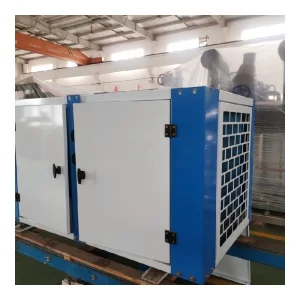
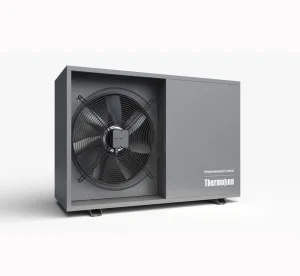
Our complete line of walk-in monoblocks, heavy-duty scroll compressors, and blast-freezer setups optimized for regional food service and cold chain logistics.
Contact our engineering and logistics teams to design a system optimized for your specific layout, environmental conditions, and local code requirements.
Send Inquiry Now Linru Kitchen Equipment