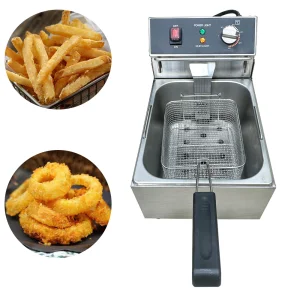
Engineered to withstand heavy duty continuous shifts while minimizing kitchen operating expenses.
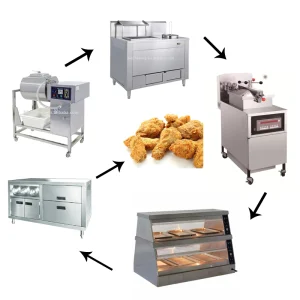
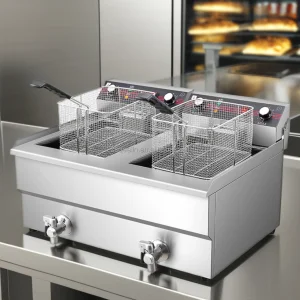
A comprehensive technical analysis of heavy-duty deep frying machinery, energy efficiency factors, and localization parameters within the Philippine commercial food industry.
The culinary landscape of the Philippines is strongly driven by Quick Service Restaurants (QSRs), convenience food chains, and local franchise systems. Signature products like crispy fried chicken, french fries, and various local fried delicacies are fundamental revenue drivers for major corporations and SMEs alike. To maintain profitability and cope with the high-volume operational cycles in urban hubs such as Metro Manila, Cebu, and Davao, food chains require high-performance commercial frying equipment that guarantees both high output and optimal thermal retention.
However, importing equipment to the Philippines comes with a distinct set of geographical and systemic challenges. Operators frequently deal with high relative humidity levels, fluctuating grid voltages (specifically the standard 230V single-phase / three-phase supply), and diverse fuel standards ranging from piped natural gas to localized LPG setups. Therefore, picking an experienced exporter that understands these constraints is crucial to avoiding early failure of heating elements, metal corrosion, or structural safety violations.
With 15 years of experience in commercial kitchen equipment manufacturing, Feijin Import & Export (Shandong Linru Import & Export Trading Co., Ltd.) is committed to continuous product refinement, rejecting low-cost, low-quality shortcuts to ensure every piece of equipment delivers long-term stability and reliability. We ensure that our export configurations match local Philippine voltage parameters (230V/60Hz) and high-corrosion environments near coastal regions.
In the commercial food service industry, operating margin protection is a constant battle. The two main variable costs associated with operating deep fryers are energy consumption and oil life degradation. As power costs in the Philippines are among the highest in the ASEAN region, choosing the correct energy source (Gas vs. Electricity) and the matching heating element technology becomes a significant capital investment decision.
| Frying System Type | Optimal Fuel / Power Input | Primary Application Profile | Crucial Design Advantage |
|---|---|---|---|
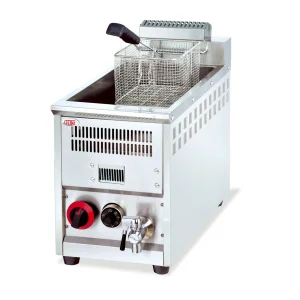
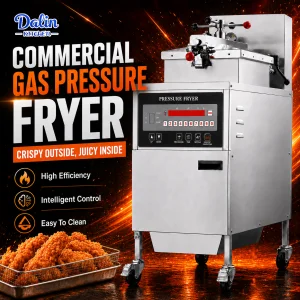
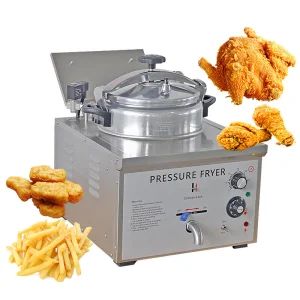
| Gas Style Pressure Fryer | LPG / Propane (58,000 BTU+) | High-volume bone-in fried chicken (KFC style) | Moisture retention via sealed pressure vessel chamber |
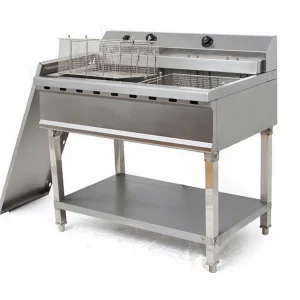
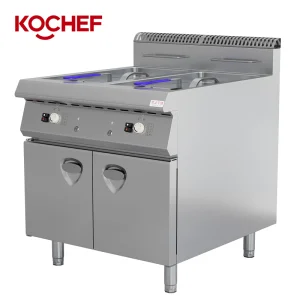
| Electric Dual Tank Fryer | 230V / 380V (High Wattage Elements) | Multi-product frying (Fries, Seafood, donuts) | Precise temperature control, zero gas vent line required |
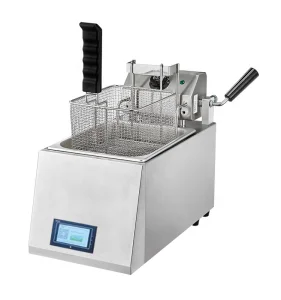
| Ventless Electric Deep Fryer | Electric 230V Single/Three Phase | Malls, convenience shops, kiosk locations | Integrated 8-stage fume purification, no external hood needed |
For high-density malls and high-rent shopping venues in Manila, our Ventless Deep Fryer with 8-Stage Fume Purification solves a common logistical hurdle. Traditional commercial kitchens require expensive overhead exhaust ducting to comply with fire codes. The ventless system uses built-in multi-stage air scrubbers and electrostatic precipitators to eliminate exhaust fumes directly, making installation fast and cost-effective.
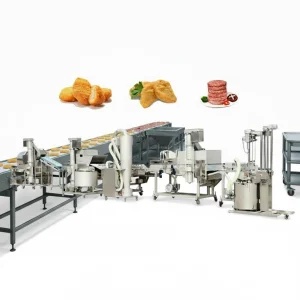
Engineered for food processing facilities, large-scale factories, and outdoor heavy-duty catering services.
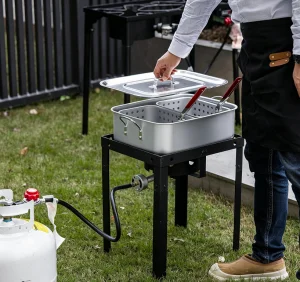
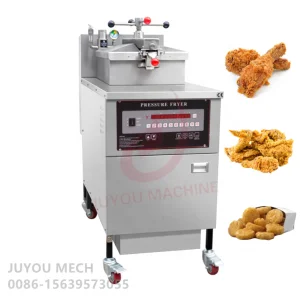
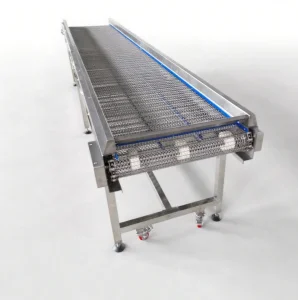
Corrosion resistance is a major concern when designing commercial kitchen systems for hot, humid tropical climates like the Philippines. Exposure to salt, humidity, and constant acidic cleaning agents requires high-grade materials. Feijin's preparation and frying equipment relies on high-grade 304 or 201 stainless steel. We design and construct these units with heavy load-bearing frames and reinforced welds to prevent structural warping and fat leakage over years of operation.
Navigating shipping and customs regulations is a major challenge for local Philippine importers purchasing industrial-grade heating products. Working with an uncertified exporter can lead to customs delays or equipment seizures by local ports due to lacking documents.
Feijin Import & Export addresses these hurdles by providing a clear compliance framework for all outgoing products. Our heating lines have obtained full-range CCC (China Compulsory Certification) and CE (Conformité Européenne) certification. Additionally, our jacketed kettles and pressure fryers conform to strict manufacturing regulations and carry the National Pressure Vessel Manufacturing License, allowing businesses to clear customs with minimal friction and operate their equipment safely.
Understanding that different regions in the Philippines face differing power standards, Feijin customizes heating components. Whether your restaurant in Quezon City requires a three-phase 230V system, or your food stall in Cebu relies on high-output LPG gas lines, we calibrate and pressure-test each fryer configuration before dispatch.
Looking ahead, commercial frying technology is shifting from manual temperature monitoring to computerized automation. As a leading manufacturer, Feijin is integrating smart technologies into our new product releases. This development focuses on several core areas:
Technical answers to common import and operating queries from commercial kitchen operators and procurement managers in the Philippines.
Explore our certified range of deep fryers, designed to meet the demands of diverse business models in the Philippines.
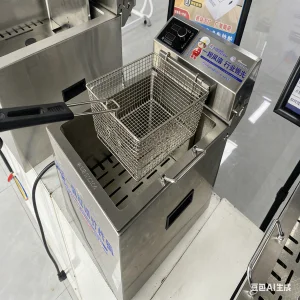
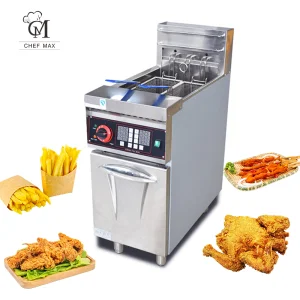
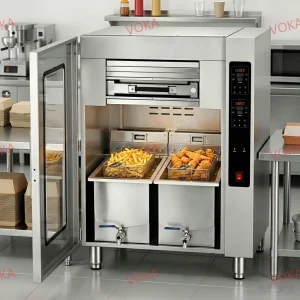
Ready to upgrade your kitchen operations? Our team can guide you on shipping logistics, customize technical specifications, and provide pricing options for food processing machinery.
 Linru Kitchen Equipment