Top Trusted High Efficiency Fryer Factory & Supplier

Decarbonizing Commercial Kitchen Operations Through Intelligent Thermal Management & Industrial Reliability

1. Global Macroeconomic Outlook on Commercial Deep Frying & Thermal Equipment

The commercial foodservice landscape is undergoing an unprecedented transition driven by macro-environmental shifts: soaring utility rates, aggressive global net-zero commitments, and volatile agricultural oil markets. Deep frying is traditionally one of the most energy-intensive steps in any commercial kitchen. It consumes vast amounts of thermal power to maintain continuous frying temperatures and degrades costly cooking oils rapidly if heat distribution is poorly engineered.

As leading global restaurant networks target operational efficiency, the selection of kitchen appliances has evolved from a simple capital expenditure calculation to a complex total cost of ownership (TCO) evaluation. In this climate, high-efficiency fryers represent a critical pivot point. By optimizing combustion rates in gas systems and applying advanced element designs in electric models, modern fryers significantly reduce carbon emissions. Furthermore, they extend oil life cycles through dynamic sediment extraction zones. Operating a modern commercial kitchen requires equipment that addresses these structural energy challenges directly, turning overhead costs into measurable competitive advantages.

2. Engineering Specifications & Thermodynamic Optimization

Achieving "High Efficiency" status requires precise engineering that targets thermal transfer limitations. Traditional gas fryers waste a major portion of energy up the flue pipe due to inefficient atmospheric burners. Our design philosophy counters this loss through advanced engineering features:

  • Infrared & Powered Burner Systems: By utilizing ceramic infrared plates or forced-draft combustion, fuel gas is mixed optimally with air. This maximizes radiant heat transfer directly to the tank walls, reducing flue exhaust temperatures by up to 35%.
  • Sophisticated Heat Exchanger Tubes: Heat tubes are contoured internally with baffled designs. This layout slows the passage of combustion gases, extracting maximum thermal energy before venting.
  • Cold Zone Dynamics: To prevent carbonization, our fryers incorporate a deeply sloped, unheated bottom region (the Cold Zone). Free food sediment drops below the heating elements, preventing burning and oil breakdown, which extends the overall life of the oil.
  • Precise Solid-State Temperature Sensors: Standard mechanical thermostats suffer from wide temperature swings. We integrate high-precision RTD sensors capable of measuring variances within ±0.5°C. This fast thermal recovery prevents oil-soak in food products, keeping food quality crisp and reducing excess oil consumption.

Whether operating gas deep-fryers or high-density electric models, maximizing thermal surface exposure remains the key parameter. Our high-efficiency systems maintain thermal transfer efficiency ratings above 70%, surpassing traditional standards of 45-50%.

Thermal Integrity

Utilizing high-grade 304 and 201 stainless steel alloys to ensure absolute structural resilience under continuous high thermal loads, preventing stress fractures and oil leaks.

Automated Micro-Filtration

Integrated closed-loop oil filtration cycles that clean cooking oil in under 4 minutes, minimizing labor overheads and maintaining consistent food quality without thermal cooldowns.

Rigorous Compliance

Fully compliant with regional directives. Stoves hold full-range CCC certification, and jacketed vessels carry the specialized National Pressure Vessel Manufacturing License.

3. Global Regulatory Frameworks, Compliance & Safety Standards

Exporting and installing industrial commercial kitchen equipment worldwide requires strict adherence to international safety and hygiene frameworks. At Shandong Linru Import & Export Trading Co., Ltd. (and through our manufacturing export channel, Feijin Import & Export), compliance is integrated directly into our product development cycle rather than being treated as an afterthought.

Our pressure-based cooking equipment, high-output steamers, and jacketed kettles are designed to meet strict standards, including the National Pressure Vessel Manufacturing License. This guarantees that all structural welding, material integrity, and high-pressure steam pathways are thoroughly inspected. Our commercial heating stoves have successfully attained the full-range China Compulsory Certification (CCC), demonstrating compliance with basic safety, electromagnetic compatibility, and structural parameters. Additionally, our commercial production designs align with CE standards for the European market and meet NSF sanitation requirements for North American facilities. By prioritizing these certifications, we protect operators from liability and ensure smooth compliance approvals with local health and safety inspectors.

4. Macro Industry Solutions & Commercial Application Scenarios

Commercial food operations are not uniform. Each sector requires specialized solutions tailored to their specific volume, variety, and floorplan constraints:

  • Quick Service Restaurants (QSRs): High-traffic fast-food operations require rapid thermal recovery times to prevent food from becoming greasy. Our programmable, multi-vat configurations feature automatic lift systems that ensure consistent results, regardless of staff experience levels.
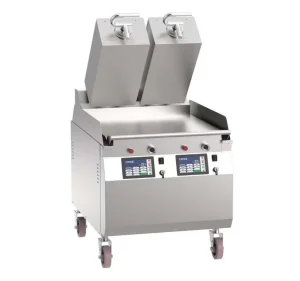
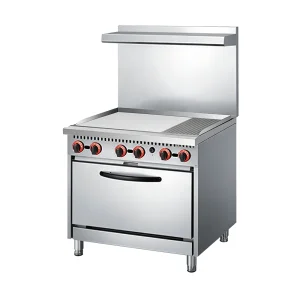
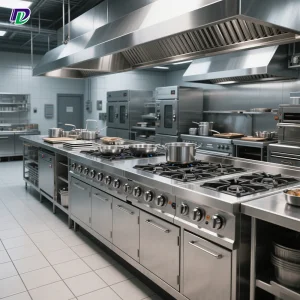
  • Central Industrial Kitchens & Catering: Processing hundreds of kilograms of protein daily requires reliable industrial griddles, large kettles, and high-capacity fryers. Our equipment is built from heavy-gauge stainless steel to withstand continuous, multi-shift operations.
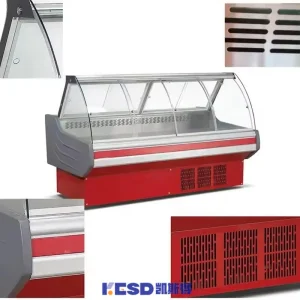
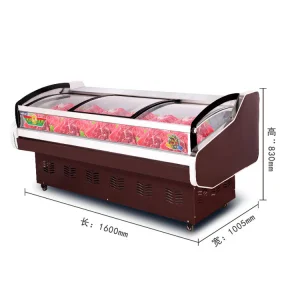
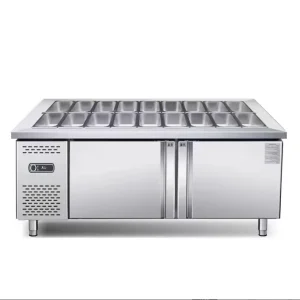
  • Supermarket Deli & Fresh Food Departments: Open display counters and hot food showcases require highly stable holding zones. Our design solutions integrate cooking stations with commercial refrigeration lines, keeping hot foods crisp and cold cuts fresh.
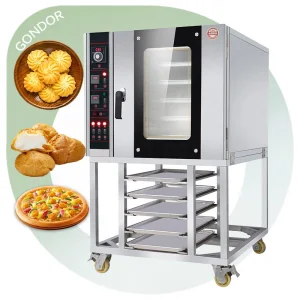
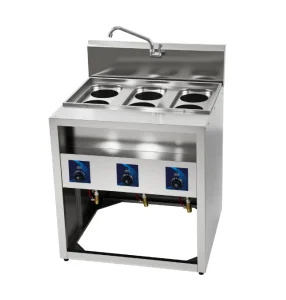
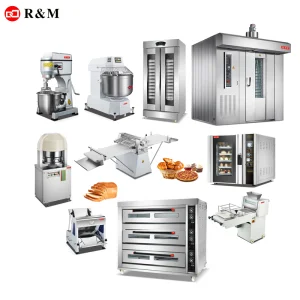
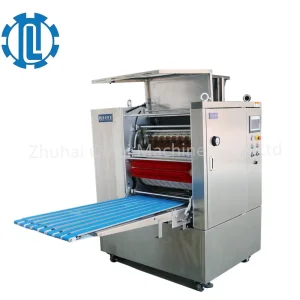
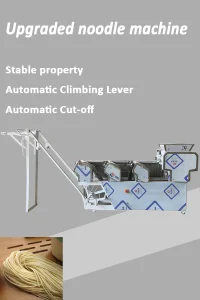
  • Industrial Bakeries and Noodle Facilities: Large dough mixers, dividers, and heavy-duty pasta stations must integrate into continuous processing layouts. Feijin provides custom machinery setups to automate preparation, cutting down manual labor costs while increasing output.
15+ Years of Craftsmanship
70%+ Thermal Efficiency
50% Oil Life Extension
100% CCC & Pressure Certified

5. Advanced Technology Roadmap & Future Outlook (Towards Industry 4.0)

The future of commercial kitchen equipment is driven by intelligence and connectivity. Traditional manual appliances are transitioning to IoT-connected thermal networks. Shandong Linru is actively developing solutions to integrate our commercial frying systems into the modern, connected kitchen ecosystem:

Our technical roadmap focuses on three main developments:

  • Smart Oil Degradation Sensing (TPM Tracking): Integrating optical sensors within the fryer reservoir to measure Total Polar Materials (TPM) in real-time. This provides automated prompts for oil changes only when chemically necessary, rather than on a rigid calendar basis.
  • Adaptive PLC Controlled Cooking: Algorithms that adjust cook times dynamically based on the moisture content and size of the food batch introduced, preventing undercooking and minimizing energy use.
  • Connected Diagnostics and Predictive Maintenance: Cloud-connected controllers that alert technicians to wear on heating elements or solenoid valve delays before a system failure occurs, reducing unexpected downtime.

6. Why Choose Us: Shandong Linru & Feijin Quality Commitments

With 15 years of dedicated experience in the commercial kitchen equipment field, we have expanded our product line from a single range of kitchen stoves into a comprehensive catalog of high-performance cooking, refrigeration, and preparation machinery. We believe that long-term customer relationships are built on consistent quality and engineering integrity.

Shandong Linru Production Facilities

For our refrigeration equipment, we adhere to strict quality standards and rigorous design rules. Every unit is engineered to meet national quality guidelines, customized to satisfy specific client demands, and crafted with close attention to detail.

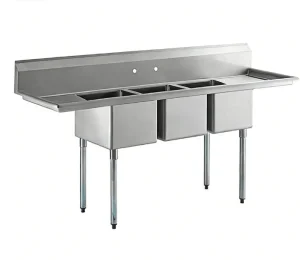
Similarly, our stainless-steel prep tables, sinks, and custom assemblies are built with high-grade 304 or 201 stainless steel. We focus on load-bearing structural design, fine weld finishes, and overall durability. We avoid low-cost, low-quality shortcuts to ensure every piece of equipment delivers long-term stability and reliability.

7. Answers to Critical Industry Questions (FAQ)

Q1: What defines a "High Efficiency" fryer compared to standard commercial models?
High-efficiency fryers must achieve a thermal efficiency rating of 60% or higher (gas models) or utilize optimized immersion elements (electric models). This is accomplished through advanced infrared burners, built-in heat exchangers that extract maximum heat from flue exhaust, and solid-state temperature sensors that minimize overshoot. By comparison, standard fryers operate at around 45% efficiency, venting the rest of the heat directly into the kitchen hood.
Q2: How does the "Cold Zone" in the fryer tank design help reduce oil costs?
The cold zone is a deeper portion at the bottom of the frying tank located below the heating elements. Because oil remains cooler in this zone, loose breading, crumbs, and food debris drop to the bottom and do not burn or carbonize. In standard fryers without a proper cold zone, these crumbs burn constantly, releasing fatty acids that break down the oil and ruin food flavor.
Q3: Why are CCC certification and National Pressure Vessel Licenses critical for these products?
CCC (China Compulsory Certification) ensures electrical and operational safety for commercial equipment. The National Pressure Vessel License is required for industrial steam jackets and pressure cookers, certifying that the steel, welds, and safety release valves can safely handle pressurized steam. This compliance is essential for facility safety and passing local health and safety inspections.
Q4: What are the durability differences between 304 and 201 stainless steel in kitchen equipment?
304 stainless steel contains higher levels of chromium and nickel, providing excellent resistance to rust and corrosion in wet, salty, or acidic environments. It is ideal for fryers, sinks, and prep tables. 201 stainless steel replaces nickel with manganese, offering a harder, more economical alternative that is suitable for structural parts, storage racks, and outer panels where direct contact with acidic foods is minimized.