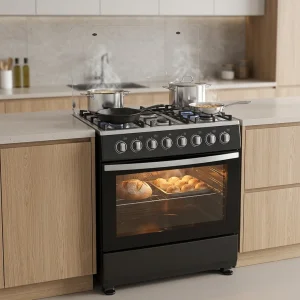
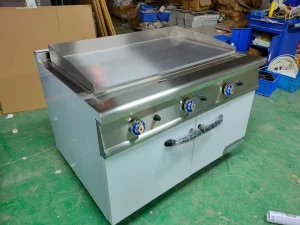
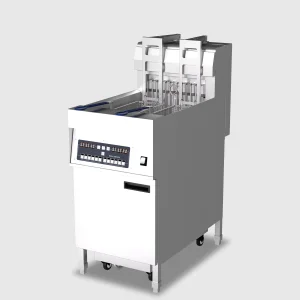
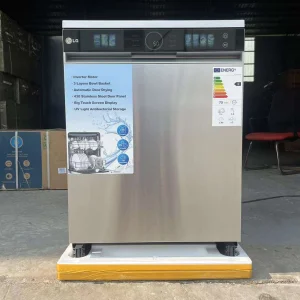
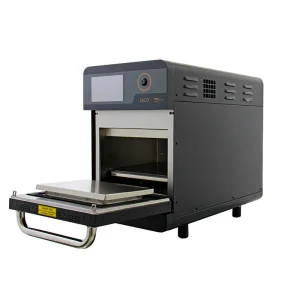
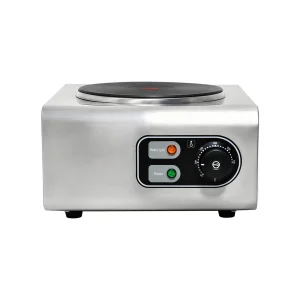
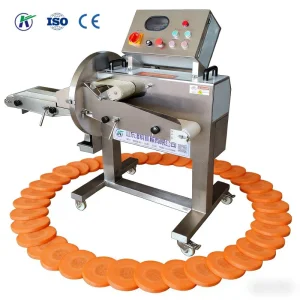
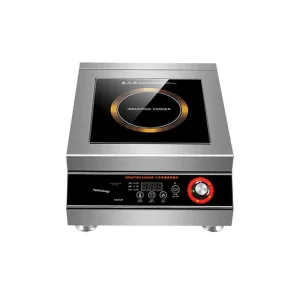
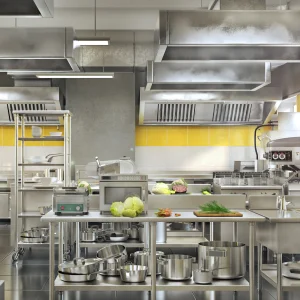
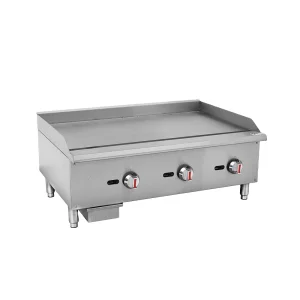
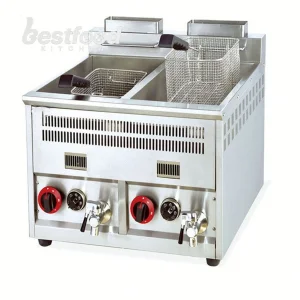
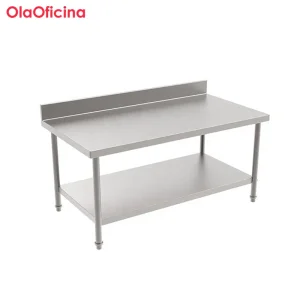
Explore our high-performance product inventory, designed to function under rigorous conditions with maximum energy transfer efficiency.
How steam generation drives thermal energy transfer across manufacturing, food processing, and global heavy industry.
Steam remains the premier energy carrier in the modern industrial and commercial sector. Recognized for its exceptionally high latent heat of vaporization, water, when transformed into steam, becomes an efficient vehicle for transporting thermal energy across vast pipe networks to processing interfaces. Unlike secondary thermal oils or direct gas combustion, steam condenses at a fixed temperature, providing exceptionally uniform heat distribution across jacketed vessels, sterilization chambers, and high-capacity baking ovens. Today's global industrial landscape demands that steam boiler systems perform with high thermal efficiency while strictly adhering to safety and environmental standards.
Across North America, Europe, and Asia-Pacific, energy efficiency directives have transformed procurement criteria. Heavy-duty industries like food processing, pharmaceutical compounding, and chemical packaging rely on dry saturated steam to preserve thermal consistency and prevent corrosion. The primary engineering goal is to maintain the delicate balance between maximum steam dryness fraction and lowest possible fuel consumption. Achieving this requires boilers that incorporate economizers, advanced burners, and oxygen trim systems to optimize air-to-fuel ratios.
Unmatched raw material access, precision robotic welding, and rigid certification frameworks that deliver global thermal solutions.
China's industrial thermal manufacturing sector has transitioned from simple component assembly to high-precision engineering. As a leading manufacturer and exporter, Shandong Linru Import & Export Trading Co., Ltd. (Feijin) utilizes regional metallurgy ecosystems and advanced manufacturing hubs in Shandong Province to produce steam systems that compete directly with European and American counterparts. Our manufacturing advantage relies on state-of-the-art robotic submerged-arc welding and computerized CNC plasma plate cutters, ensuring zero-tolerance metallurgical joins across all boiler pressure vessels.
Sourcing boilers from China provides a clear logistics and manufacturing cost advantage without compromising regulatory compliance. The integration of high-grade 304 and 201 stainless steel allows us to build heavy-duty structure platforms, sink tables, and steam-jacketed kettles designed for harsh, high-moisture kitchen environments. By managing the supply chain from raw metal sheets to the final pressure testing phase, we ensure that global buyers receive cost-efficient, durable industrial systems.
We use premium SUS304/SUS201 stainless steel, offering outstanding resistance to stress-corrosion cracking, acid erosion, and oxidation at high working temperatures.
Every pressure cylinder undergoes Non-Destructive Testing (NDT), including radiographic X-ray inspection of longitudinal and circumferential weld seams, ensuring total pressure containment.
Our steam boilers and heated vessels comply with China Compulsory Certification (CCC) and hold the National Pressure Vessel Manufacturing License, meeting strict global regulatory standards.
From commercial food processing to central sanitization, our systems provide reliable thermal energy wherever it is needed.
Steam boilers are crucial for a wide range of industrial and commercial applications. High-pressure steam systems are essential for processing environments, commercial dining, hospitality kitchens, and food manufacturing plants. Designing custom steam delivery manifolds is critical to meeting the specific thermal demands of each application.
High-pressure steam jackets are wrapped around large-capacity kettles to transfer heat evenly across the inner shell. This prevents local hot spots and scorching while significantly reducing processing times for cooking stocks, sauces, and stews.
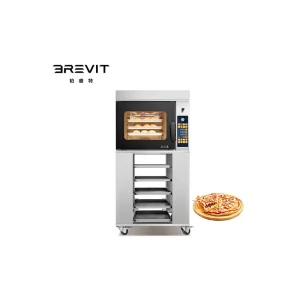
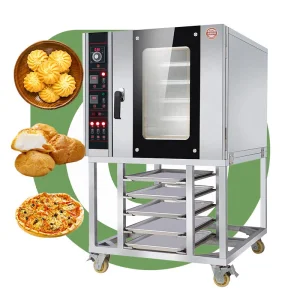
Our commercial ovens utilize controlled steam injection to achieve starch gelatinization on the surface of baking dough. This rapid thermal energy transfer is key to producing a crisp crust and a soft, open interior crumb structure in breads.
Our commercial dishwashing units use high-temperature steam loops to sanitize tableware, meeting international public health standards without relying on chemical agents.
A breakdown of the components that ensure energy conservation, reliability, and safe operation under continuous duty cycles.
A professional steam system must manage thermal expansion, condensate return, and exhaust gas temperatures. Modern steam boiler designs focus on optimizing the burner-to-boiler interface and utilizing multi-pass flue gas configurations. The three-pass wetback boiler design directs combustion gases through the furnace core and two sets of firetubes. This maximizes heat exchange surface contact and keeps exhaust temperatures low.
Our steam boiler systems feature integrated safety systems, including dual low-water cutoff switches, high-limit pressure controls, and spring-loaded safety valves. These systems prevent excessive pressure buildup and protect operators in commercial food processing environments.
Exploring the next generation of industrial steam technology, including zero-emission electric generators and IoT monitoring.
The industrial heating sector is shifting toward carbon reduction and digital control systems. This evolution is driven by local environmental regulations and the rising cost of fossil fuels. As a result, businesses are adopting high-capacity electric steam generators and hybrid boiler configurations to minimize emissions and optimize operational costs.
Electric steam generators produce zero emissions at the point of use. Running on renewable energy, they provide high-purity steam for food sterilization and pharmaceutical production without gas flues.
Modern boilers feature internet-connected control boards that monitor pressure, temperature, water quality, and burner cycles in real time. This data is used to schedule predictive maintenance and prevent unexpected downtime.
Pressurized condensate return systems capture high-temperature condensate and feed it directly back to the boiler. This recovers heat energy and water treatment chemicals, lowering operating costs.
How international buyers can verify quality, confirm certifications, and manage logistics when sourcing pressure vessels.
Procuring heavy-duty steam boilers from international manufacturers requires rigorous quality control. Buyers must evaluate the manufacturer's manufacturing qualifications, engineering certifications, and material sourcing standards. Working with a reliable, certified exporter like Shandong Linru (Feijin) ensures compliance with local and international boiler codes, protecting your investment and ensuring operational safety.
A reliable procurement strategy includes verifying compliance certifications, requesting material traceability reports, and conducting hydrostatic pressure tests at 1.5 times the design working pressure. Working with an experienced exporter simplifies customs clearance, shipping logistics, and site installation, ensuring your system arrives on time and ready for commissioning.
15 Years of Craftsmanship and Commercial Kitchen Equipment Manufacturing Excellence.
Shandong Linru Import & Export Trading Co., Ltd. (Feijin) is a professional enterprise integrating the production and sales of commercial kitchen equipment. With 15 years of experience in the field, we have grown from a single line of kitchen stoves to a diversified portfolio of high-quality branded products. From the very beginning, we have been committed to improving our product quality step by step, firmly believing that only by ensuring consistent quality can we truly earn our customers' trust and recognition.
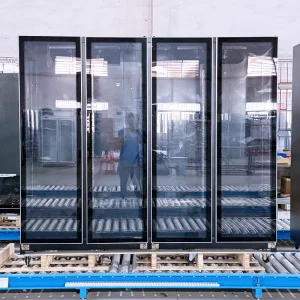
In the field of refrigeration equipment, we adhere to strict quality standards and rigorous requirements. Every product is built to meet national quality standards, customized to satisfy client needs, and crafted with attention to detail that reflects our company’s commitment to excellence.
Our heating products, including stoves, have obtained full-range CCC (China Compulsory Certification). In addition, our jacketed kettles are certified not only with CCC but also with the National Pressure Vessel Manufacturing License, ensuring customers can purchase with confidence and use with peace of mind.

Feijin Import & Export is committed to continuous product refinement, rejecting low-cost, low-quality shortcuts to ensure every piece of equipment delivers long-term stability and reliability.
For refrigeration products, Feijin Import & Export combines high standards with customization — guaranteeing full compliance with national quality standards while tailoring technical parameters to match each client’s specific application.
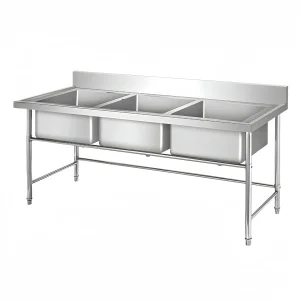
Feijin’s stainless-steel preparation equipment is built using high-grade 304 or 201 stainless steel, with meticulous attention to load-bearing design, craftsmanship, and finishing details.
With 15 years of experience in commercial kitchen equipment manufacturing, Feijin Import & Export is committed to continuous product refinement, rejecting low-cost, low-quality shortcuts to ensure long-term stability.
Expert engineering answers to critical questions about steam boiler performance, compliance, and plant integration.
Thermal efficiency measures the heat exchanger's ability to transfer heat from the combustion gases to the water. Fuel-to-steam efficiency is the overall efficiency of the boiler, taking into account radiation and convection heat losses from the boiler shell. We optimize both by using high-density insulation and advanced combustion control systems.
Our manufacturing process follows China Compulsory Certification (CCC) guidelines and holds the National Pressure Vessel Manufacturing License. We inspect all materials, perform hydrostatic testing on pressure cylinders, and verify weld quality using radiographic X-rays to ensure compliance with global safety standards.
Dry saturated steam transfers heat efficiently without adding excess moisture to the product. In baking, this allows a uniform crust to form. In processing kettles, it ensures stable temperature control and prevents condensation buildup inside the heating jacket, maintaining process consistency.
Boiler feed-water must be treated using water softeners to remove minerals like calcium and magnesium, which cause scaling. We also recommend using chemical deaerators or physical deaerator tanks to extract dissolved oxygen and prevent oxygen pitting along internal tubes and headers.
Yes. Electric steam generators are ideal for commercial kitchens due to their compact footprint, zero emissions, and simple venting requirements. They are highly efficient, making them an excellent choice for urban restaurants and high-density hotels with limited space.
Condensate contains valuable heat energy and treated water. Recapturing and returning hot condensate to the boiler feed-water tank reduces fuel consumption, lowers raw water usage, and decreases the amount of water treatment chemicals required, reducing total operating costs.
Browse our selection of stainless steel prep tables, induction cookers, and high-capacity cooking equipment.
 Linru Kitchen Equipment