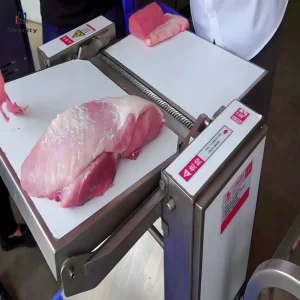
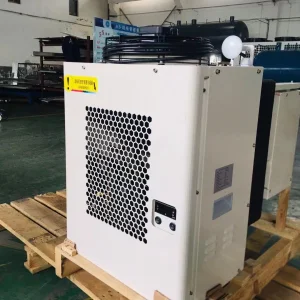
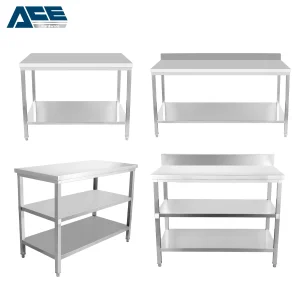
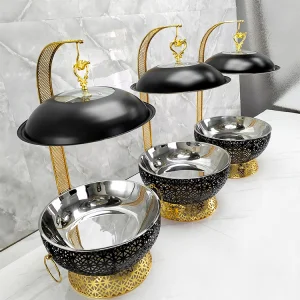
Premium high-performance processing hardware fabricated for heavy-duty food preparation, storage, and mechanical cutting.
In modern commercial food preparation and processing, moisture management is one of the most critical links determining product shelf life, safety compliance, and dressing adhesion. Raw leafy greens possess naturally high surface water retention after washing. If not efficiently and gently dried, this residual moisture causes rapid cell wall degradation, enzymatic browning, and creates a highly hospitable environment for pathogenic multiplication including Listeria monocytogenes and Salmonella enterica.
A premium OEM Salad Spinner is not merely a plastic kitchen accessory; it is a high-duty industrial centripetal drying machine. As global consumer demand shifts toward Ready-To-Eat (RTE) bagged salads, pre-cut vegetable packets, and premium salad bar concepts, commercial operations require mechanical solutions that balance high throughput capacity with delicate structural protection of the product. This whitepaper details the engineering parameters, metallurgical choices, compliance pathways, and economic drivers involved in custom salad spinner manufacturing.
Analyzing global supply chains reveals a distinct technological divergence. In residential consumer markets, purchase intent centers on aesthetics, low price points, and manual ease of use. However, in B2B procurement—specifically for hotel chains, institutional kitchens, airline catering hubs, and packaging plants—the key evaluation metrics focus on duty cycle duration, motor thermal protection, ease of sanitation, and total cost of ownership (TCO).
Requires high-capacity automated batch spinners with variable frequency drive (VFD) controls to dynamically adjust RPM based on product vulnerability (e.g. baby spinach vs. dense root vegetables).
Requires semi-commercial manual or electric tabletop spinners emphasizing rapid-disassembly basket designs for intensive washing and minimal floor space utilization.
Demands high-performance custom-molded units compatible with continuous-flow production lines, requiring integration with automated sink basins and washing equipment.
Custom OEM manufacturing offers these B2B clients tailored structural dimensions, customized motor configurations, and specific material grades (such as marine-grade 316 stainless steel for acidic prep environments). As a specialized OEM factory, we bridge this gap by designing products optimized for high rotational stability, minimizing labor costs while maximizing longevity.
The efficiency of an industrial salad spinner depends on three main variables: centripetal acceleration ($a_c$), dynamic balance, and motor torque curve properties. Under high speeds, excessive force can crush cellular outer membranes, leading to rapid wilting. Conversely, insufficient acceleration leaves too much residual moisture, diluting dressing, ruining flavor profiles, and accelerating food spoilage.
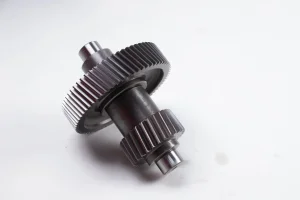
Unlike residential models that rely on simple plastic gears vulnerable to tooth shear, commercial OEM salad spinners are engineered with rugged power transmissions:
When drying 10 to 50 kilograms of produce, uneven loading can create massive destructive forces. Our factories integrate active damping systems:
Any equipment in direct contact with food must be designed with sanitation in mind, eliminating crevices where organic matter can accumulate. We construct our commercial units from certified, non-porous materials that withstand aggressive sanitation protocols:
High chromium and nickel content guarantees excellent corrosion resistance against acidic vegetable juices and chemical chlorine-based sanitizers.
Used in internal baskets and transparent inspection dome windows, engineered to withstand thermal sanitization cycles up to 85°C without warping.
Electronic controllers and motor enclosures are fully sealed, enabling complete washdown routines using high-pressure hot-water hoses without electrical shorting risk.
Under the strict guidelines of global sanitary regulators (including FDA, NSF/ANSI Standard 2, and CE directives), our designs avoid overlapping seams and threaded fasteners inside the food zone. Instead, we use continuous, smooth weld seams polished to a high finish, preventing bacteria from gathering and allowing quick CIP (Clean-In-Place) procedures.
Shandong Linru Import & Export Trading Co., Ltd. (Feijin Import & Export) represents high-precision manufacturing, compliance-driven design, and refusal to make quality shortcuts.
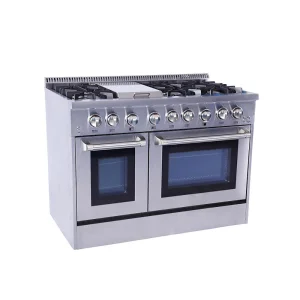
Shandong Linru Import & Export Trading Co., Ltd. is a professional enterprise integrating the production and sales of commercial kitchen equipment. With 15 years of experience in the field, we have grown from a single line of kitchen stoves to a diversified portfolio of high-quality branded products. From the very beginning, we have been committed to improving our product quality step by step, firmly believing that only by ensuring consistent quality can we truly earn our customers’ trust and recognition.
In the field of refrigeration equipment, we adhere to strict quality standards and rigorous requirements. Every product is built to meet national quality standards, customized to satisfy client needs, and crafted with attention to detail that reflects our company’s commitment to excellence. Our heating products, including stoves, have obtained full-range CCC (China Compulsory Certification). In addition, our jacketed kettles are certified not only with CCC but also with the National Pressure Vessel Manufacturing License, ensuring customers can purchase with confidence and use with peace of mind.

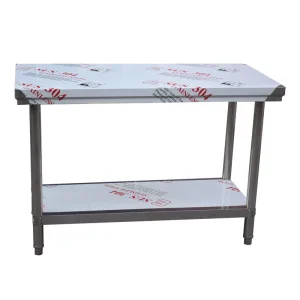
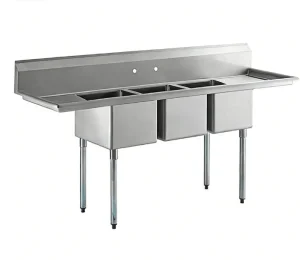
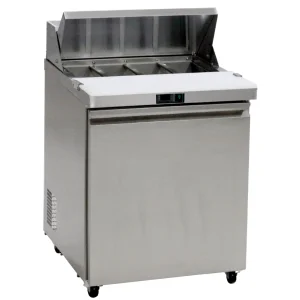
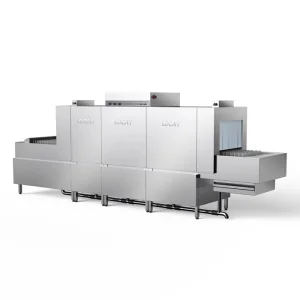
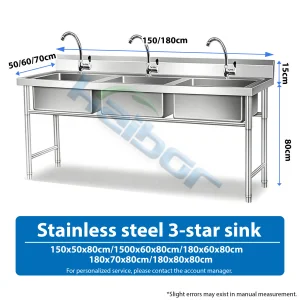
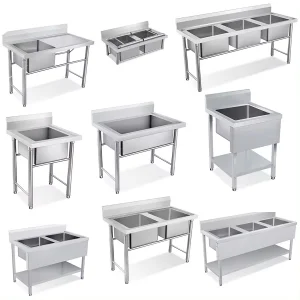
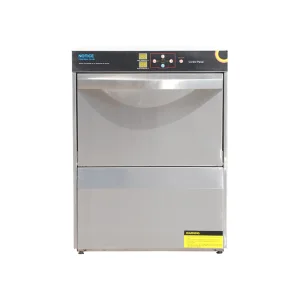
A salad spinner does not operate in isolation. It forms a key stage of a coordinated system that transforms raw, soil-grown produce into sterile, plate-ready portions. To maximize kitchen throughput, we engineer customized spinner configurations that integrate with preparation benches, commercial washing basins, and refrigeration facilities.
In a standard commercial salad prep line, raw leafy greens move through a multi-stage process:
If water is left on the leaves, they wilt faster and reduce dressing cling, which negatively impacts presentation and portion control. For high-volume kitchens, choosing custom OEM units with removable spin baskets allows operators to wash, spin, and store ingredients in the same basket, saving time and energy.
Expert technical answers addressing common inquiries from commercial buyers, kitchen consultants, and engineering teams.
As industrial food production adopts more smart automation, our R&D team continues to develop next-generation features for commercial salad spinners:
By combining our 15 years of manufacturing experience with modern engineering standards, Shandong Linru Import & Export Trading Co., Ltd. (Feijin Import & Export) continues to deliver reliable kitchen hardware and processing equipment to commercial operators worldwide.
Industrial-grade food preparation, induction heating, water management, and refrigeration products for complete kitchen systems.
 Linru Kitchen Equipment