In the rapidly changing landscape of the global food service industry, speed, consistency, and thermal efficiency have transitioned from standard operational goals to absolute survival necessities. The humble Panini Press, historically confined to specialized European bistros, has evolved into a key driver of menu diversification globally. From quick-service restaurant (QSR) chains to luxury hotel lines, the ability to rapidly toast, grill, and sear high-margin hot food programs relies heavily on the engineering integrity of professional-grade contact grills.
As a premier hub of global precision manufacturing, China has established itself as the leading exporter of commercial kitchen solutions. Shandong Linru Import & Export Trading Co., Ltd. (incorporating our manufacturing division, Shandong Binzhou Feijin) represents the pinnacle of this industrial evolution. With 15 years of deep expertise in research and development, we have grown from a single line of kitchen stoves to a diversified, multi-tiered portfolio of high-quality branded products. Our unwavering commitment to quality and engineering standards has earned the trust of corporate buyers, hospitality purchase directors, and global OEMs across North America, Europe, the Middle East, and Southeast Asia.
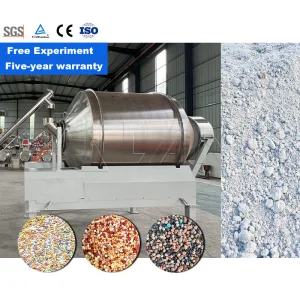
 Figure 1: Inside the Advanced Manufacturing Facility of Shandong Linru & Feijin - Engineered for Global Compliance
"From the very beginning, we have been committed to improving our product quality step by step, firmly believing that only by ensuring consistent quality can we truly earn our customers’ trust and recognition. In the field of refrigeration and thermal heating equipment, we adhere to strict quality standards and rigorous requirements." — Shandong Linru Leadership Team
When procurement managers evaluate partners for high-volume kitchen equipment, they must mitigate risks related to fire hazards, electrical failures, food safety, and down-time. Google’s E-E-A-T (Experience, Expertise, Authoritativeness, Trustworthiness) criteria are as critical in industrial procurement as they are in digital indexing.
Experience is rooted in years of active production. Feijin's 15-year history ensures that our teams are well-versed in sheet metal fatigue, electrical insulation under high thermal stress, and the nuances of food contact materials. Expertise is reflected in our robust engineering staff, who design our products using premium materials, rejecting low-cost, low-quality shortcuts to ensure long-term stability. Authoritativeness is demonstrated by our industry certifications: our heating products, including commercial stoves, have obtained full-range CCC (China Compulsory Certification), and our industrial-grade jacketed kettles are certified with both CCC and the National Pressure Vessel Manufacturing License. Trustworthiness is built on our open-door policy, strict quality control protocols, and comprehensive warranty systems.
Selecting the right manufacturing partner in China involves analyzing both cost efficiency and structural supply chain advantages. Our specialized facilities in Binzhou, Shandong offer critical benefits for global distributors:
Feijin's preparation equipment is built using high-grade SUS304 or SUS201 stainless steel. This choice of materials provides strong corrosion resistance, high tensile strength to prevent denting, and long-term compliance with FDA/NSF sanitary standards.
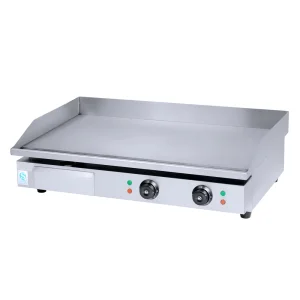
A high-quality Panini press requires precise heat retention. We utilize heavy-duty cast iron or die-cast aluminum plates integrated with custom heating elements to ensure uniform heat distribution and eliminate cold spots.
Our heavy-duty mechanical hinges are designed for high-frequency commercial use. They feature adjustable tension to prevent crushing delicate breads while ensuring even pressing force across different sandwich thicknesses.
Our units utilize high-precision thermostat controllers paired with thick insulation layers, resulting in 20-30% lower energy consumption compared to entry-level residential models.
By integrating advanced laser cutters, automated welding robots, and computer-controlled polishing units, Shandong Linru maintains tight manufacturing tolerances. This industrial capability translates to lower costs for our partners without compromising mechanical or electrical safety.
From a material science perspective, the lifetime of a commercial contact grill is defined by its ability to resist thermal cycling deformation. When heating plates transition from 50°C to 300°C multiple times a day, substandard alloys will warp, causing uneven heating.
Our research and development team addresses this by using stabilized gray cast iron alloys for the plates. This material provides excellent thermal retention, maintaining temperature when cold bread is placed on the grill. Additionally, we offer hard-enameled coatings that cure under high temperatures to create a non-porous, stick-resistant surface without relying on chemical non-stick agents that can wear off over time.
The outer chassis is constructed using SUS304 stainless steel. To handle grease and heat exposure, our enclosures feature double-walled construction to reduce external surface temperatures. This protects kitchen operators and maintains the life of the internal electrical wiring and switches.
The commercial kitchen sector is experiencing significant changes driven by automation, energy efficiency, and compact space designs:
At Shandong Linru, we recognize that purchasing directors do not simply buy equipment—they invest in supply chain solutions. Our operation is structured to support enterprise buyers through every step of the procurement process:
We provide tailored solutions for specific menu needs, including custom ribbed plate patterns, branding logos cast directly onto the cooking surface, and custom electrical plug configurations.
Our heating systems hold full CCC certification. We also manage electrical testing and coordinate international standards checks like CE, ETL, and NSF to ensure smooth customs clearance.
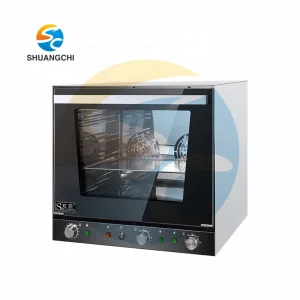
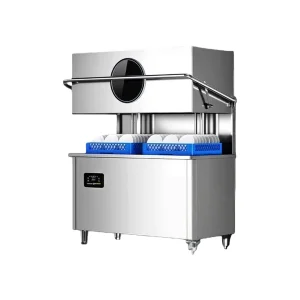
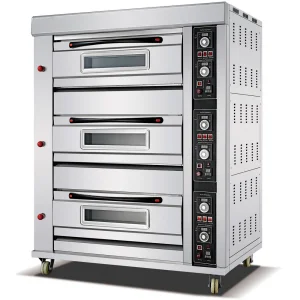
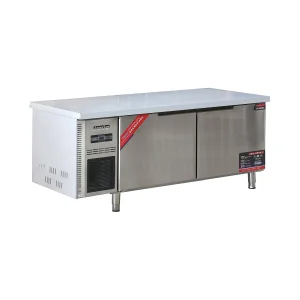
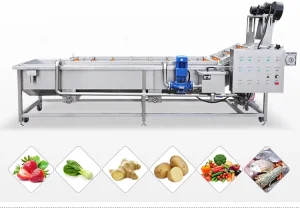
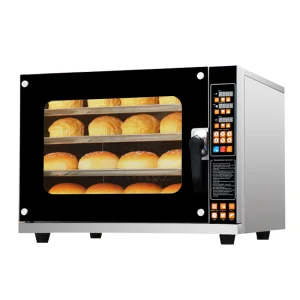
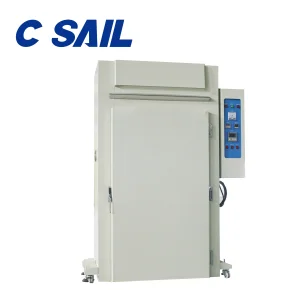
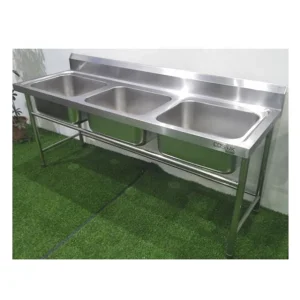
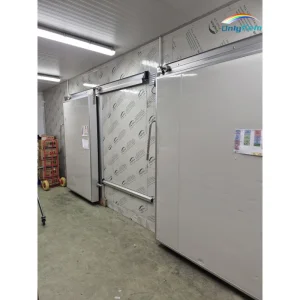
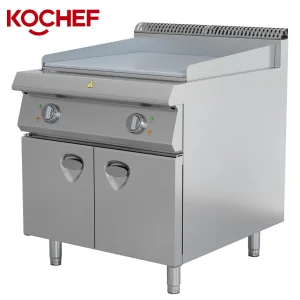
Beyond Panini presses, we offer complete commercial kitchen setups, including food preparation tables, refrigeration units, exhaust systems, and modular storage.
By working with a single supplier for both hot and cold kitchen equipment, international distributors can streamline logistics, optimize shipping container space, and simplify their billing and customer support processes.
 Linru Kitchen Equipment