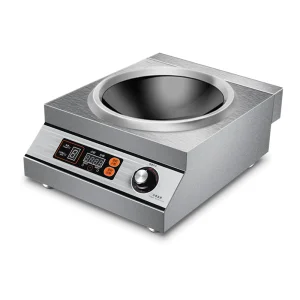
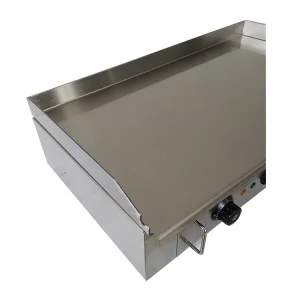
In the high-velocity domain of commercial foodservice and industrial hospitality, temperature maintenance is not merely a preference—it is a critical parameter of food safety, sensory quality, and operating margin. Modern countertop food warmers have evolved from simple resistance-heated holding wells into micro-engineered thermal containment stations. By deploying precise mechanical thermodynamics, modern food warmers prevent the degradation of cellular structures in food while inhibiting bacterial growth. This transition from standard heating to advanced holding is driven by global regulatory landscapes such as HACCP, NSF/ANSI Standards 4, and the European Ecodesign Directive, forcing global procurement teams to rethink their supply networks.
Countertop units occupy premium space within fast-casual dining layouts, open kitchens, and QSR (Quick Service Restaurant) assembly lines. Thus, maximizing thermal density (thermal power output per unit area) while maintaining a cooler surface exterior has become a key design goal. Industrial food warmers leverage thick-gauge austenitic stainless steel (primarily grade 304 or 201) and specialized high-density insulation materials (such as mineral wool or polyurethane foam barriers) to minimize heat transfer to adjacent prep tables and environmental cooling loops. By confining thermal energy to the product holding zone, these machines dramatically improve energy performance metrics and kitchen comfort.
Information Gain Highlight: Understanding the difference between conduction and dry convection heating is vital. Conduction warmers utilize direct contact (water wells or custom cast-in heating elements) to yield high heat transfer coefficients. Dry convective warmers, conversely, leverage controlled airflow currents, maintaining crispy product integrity without the humidity fluctuations of traditional water-bath warmers.
The global market demand for countertop food warmers is accelerating due to the expansion of convenience retail, supermarket hot-deli bars, and the exponential growth of cloud kitchens (ghost kitchens). The requirements of these decentralized operations call for robust, modular, and plug-and-play warming appliances that require minimal field training to operate. Industrial buyers must balance the capital expenditure (CAPEX) of procurement with the operational expenditure (OPEX) of electrical power consumption and maintenance overheads over a 5 to 10-year product lifecycle.
China's dominance in the global commercial kitchen equipment sector is rooted in unmatched supply chain cluster integration, advanced metal fabrication technology, and massive scale economies. In regions like Shandong province, whole manufacturing ecosystems are built around metal forming, electrical component sourcing, and testing laboratories. This industrial concentration allows factories to source high-grade raw materials (such as raw cold-rolled stainless steel sheets) and precise electronic microprocessors within a very small geographic radius. The outcome is minimized logistics overheads and highly competitive manufacturing lead times for global buyers.
Specifically, companies like Shandong Linru Import & Export Trading Co., Ltd. (also operating under the brand profile of Feijin Import & Export) serve as prime examples of this industrial maturation. Over 15 years of industry experience, the enterprise has successfully transitioned from simple kitchen stoves to a highly diversified portfolio of commercial holding, refrigeration, preparation, and thermal processing units. This transition highlights a broader trend in Chinese manufacturing: moving away from low-cost, low-quality shortcuts toward technical precision, standardized testing, and custom OEM/ODM solutions.

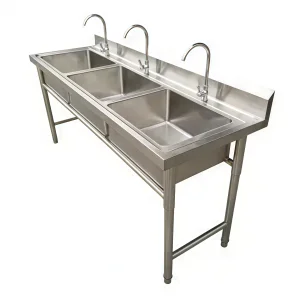
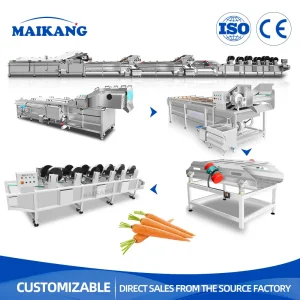
"We firmly believe that only by ensuring consistent quality can we truly earn our customers' trust and recognition." This guiding principle governs every division of Shandong Linru's production lines. Whether configuring a multi-compartment prep sink, a heavy-duty vegetable cooking blanching line, or a complex countertop thermal holding system, every detail is engineered to satisfy rigorous national and global performance benchmarks.
The efficiency advantages of Chinese countertop food warmer exporters are further amplified by the adoption of automated laser welding technology and CNC press brakes. In previous decades, sheet metal construction relied on manual welding, which could lead to structural inconsistencies and moisture ingress. Today, robotic laser welding guarantees hermetically sealed seams in dry or wet heating wells. This structural seal prevents water or food residue from leaking onto internal electronic control units, reducing electrical failures and extending product lifecycles in harsh commercial kitchen environments.
Countertop food warmers are not one-size-fits-all systems. Different foodservice environments require specialized heat distribution profiles to maintain food safety and product textures. Below is an analysis of localized commercial holding environments and the engineering configurations they require:
| Application Environment | Primary Thermal Challenges | Recommended Technical Solution | Critical Compliance Standards |
|---|---|---|---|
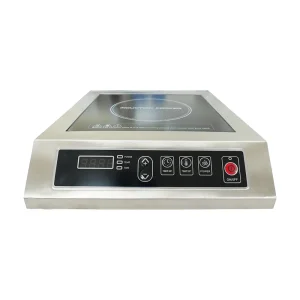
| Fast-Casual Restaurants / QSR | High turnaround times, frequent drawer/pan exposure, rapid heat loss. | Air-jacketed dry holding or induction warmers with fast PID recovery sensors. | NSF/ANSI 4 (Thermal Holding), UL 197 |
| Hotel Buffets & Banquet Halls | Extended holding times (2-4 hours), aesthetic display requirements. | Chafing sets with precise electronic heater elements or induction chafers. | CE, RoHS, CCC Electrical Safety |
| Institutional Kitchens (Hospitals/Schools) | Bulk capacity, strict hygiene, HACCP monitoring, thermal stability. | Deep-well wet warmers with integrated digital temperature displays and safety limits. | FDA Food Code Section 3-501.16 |
| Convenience Stores / Deli Bars | Self-service operation, glass viewing panels, variable ambient air drafts. | Infrared overhead strip heaters combined with bottom-heated well elements. | ETL Sanitation, Energy Star |
In QSR applications, the key to success is rapid thermal recovery. Every time a food pan is accessed, ambient air enters the warming cavity, dropping temperature levels. To prevent this, advanced microcomputer chips monitor temperature drops in milliseconds and increase voltage to the heating elements immediately. This keeps food outside the bacterial "danger zone" (40°F - 140°F / 4.4°C - 60°C).
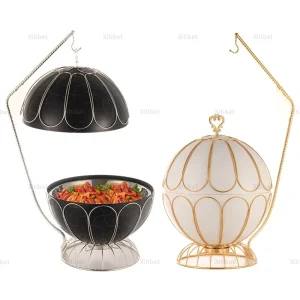
For hotel buffet contexts (such as those using high-grade chafing dish catering sets), the priority shifts to visual display and quiet, efficient heat distribution. High-grade stainless steel surfaces must resist scratching and clean easily under heavy grease exposure. By integrating multi-temp dial adjustments or precise digital timer setups, kitchen operators can ensure delicate menu items like eggs, seafood, or sauces do not overcook or dry out during service.
For procurement managers, choosing a countertop food warmer manufacturer in China requires evaluating several critical factors. Price alone is not a sufficient metric for long-term profitability. Professional purchasing agents use a strict quality inspection checklist to evaluate factory partners:
Verify that the steel composition matches the specification sheet. Real SUS304 contains 18% chromium and 8% nickel, which provides excellent resistance to corrosion from salt and food acids. Exporters should provide certified spectroscopy material test reports.
Standard heating elements can have cold spots. High-end warmers feature customized ribbon elements or cast-in aluminum configurations that distribute heat evenly. This prevents localized scorching and keeps food temperatures consistent.
Safety standards require a secondary high-limit thermostat. If the primary controller fails, this mechanical system cuts power, preventing fire hazards. Look for systems with CCC, UL, or CE safety approvals.
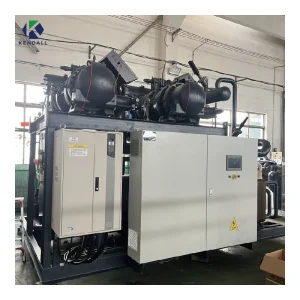
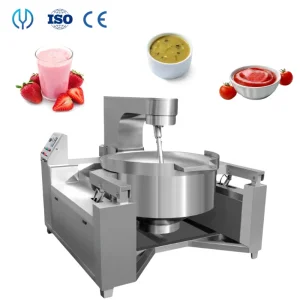
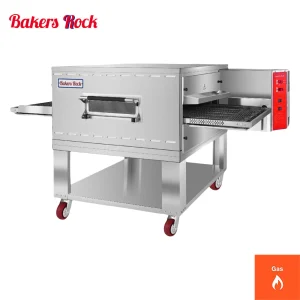
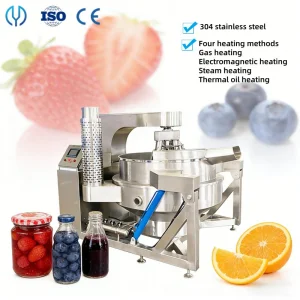
Evaluating the capabilities of an OEM/ODM factory partner also involves checking their broader kitchen product line. A manufacturer that successfully produces advanced equipment—such as commercial blast freezers, automatic conveyor pizza ovens, and large industrial jacketed kettles—demonstrates strong electrical design and metal forming capabilities. Their engineering teams can apply this technical expertise to optimize countertop food warmer designs, ensuring better durability and thermal efficiency.
The commercial food warmer sector is shifting toward digital control systems and sustainability. Standard dial controls are being replaced by PID (Proportional-Integral-Derivative) controllers. These systems adjust power output based on real-time temperature trends, preventing temperature overshoot and reducing energy use by up to 30%.
Another growing trend is the integration of smart IoT systems. Many commercial kitchens now require warming units to automatically log temperature data. If a unit dips below 140°F, it alerts the kitchen manager via Wi-Fi or Bluetooth, helping the facility comply with food safety standards without manual log sheets.
Additionally, the industry is moving toward "dry-well" systems that use air-jacketed technology. These systems eliminate the need to drain, refill, and descale traditional water wells. This transition saves labor, lowers water use, and reduces scale-related warranty claims, making it a popular choice for high-volume foodservice operations.
Grade 304 stainless steel contains higher levels of chromium and nickel, providing excellent corrosion resistance in wet, salty, or acidic environments. Grade 201 is a cost-effective alternative with good structural strength, but it is better suited for dry holding areas where direct exposure to water and salt is limited.
This license is critical for high-pressure cooking and thermal processing systems, such as steam-jacketed kettles. It certifies that the manufacturer's welding quality, materials, and safety testing meet strict national pressure safety regulations, ensuring safe operation under high pressure.
Wet-well warmers transfer heat through water, creating a humid environment that keeps delicate foods from drying out. Dry-well warmers use direct induction or fan-driven convection. This design heats up faster, reduces energy consumption, and eliminates water management chores, though it requires precise humidity controls for certain foods.
North American shipments require UL 197 or ETL safety certifications along with NSF/ANSI 4 sanitation approval. European markets require the CE mark, which verifies compliance with safety, health, and environmental standards, as well as RoHS compliance for hazardous substances.
Yes. Industrial manufacturers can customize electrical setups to match regional power grids, such as 110V-120V 60Hz for North America, 220V-240V 50Hz for Europe, and 3-phase 380V systems for high-power commercial cooking equipment.
 Linru Kitchen Equipment