Premium thermal processing, high-capacity refrigeration systems, and heavy-duty customization options built to meet stringent global certification mandates.
In the modern commercial kitchen and hospitality ecosystems, the implementation of a high-performance Beverage Dispensing System is no longer just a operational convenience—it is a critical driver of profitability, portion control, and carbon footprint reduction. From large-scale quick-service restaurants (QSR) to industrial catering facilities, the global demand for energy-efficient, CE-certified systems has reached unprecedented levels.
Historically, the beverage dispensing landscape relied on simplified analog setups. Today, structural shifts toward IoT integration, real-time telemetry, precise ratio monitoring, and environmental sustainability are rewriting industry baselines. As global supply chains face volatile pressures, sourcing from certified manufacturers who integrate Factory 4.0 processes offers procurement teams the necessary resilience and competitive edge.
Four core technological trends are redefining how liquid products are distributed, chilled, and managed at scale:
"According to recent market intelligence reports, the global commercial beverage dispenser market size is projected to surpass USD 11.2 Billion by 2030, registering a compound annual growth rate (CAGR) of 5.8%. The push for hygiene, touchless user interfaces, and modular carbonation units is accelerating this demand."
Corporate purchasing agents, franchise operators, and hotel group procurers evaluate equipment through a complex matrix of regulatory compliance, sanitary metrics, and operational durability. Understanding regional import nuances is vital for seamless global operations:
The CE Mark is not merely a declaration of compliance; it is a legal requirement for entry into the European Economic Area (EEA). For beverage systems, this requires meeting the Low Voltage Directive (LVD) 2014/35/EU, the Electromagnetic Compatibility (EMC) Directive 2014/30/EU, and the Machinery Directive 2006/42/EC. Systems failing these metrics expose purchasers to catastrophic liability.
Dispensing systems carry acids, sugars, and carbonated water, making them susceptible to heavy metal leaching if materials are subpar. Elite manufacturers utilize SUS304 (or SUS316 for high-acidity beverages) for all food-contact surfaces, backed by FDA, NSF/ANSI 51, and LFGB clearances.
| Procurement Target Metric | Technical Baseline Requirement | Shandong Linru Compliance Standard |
|---|---|---|
| Electrical Safety Certification | CE, UL, or CCC compliance | Full CE and CCC compliance across portfolios |
| Food Contact Surface Material | NSF/ANSI Standard 18 (Manual Dispenser) | Premium Grade SUS304 / SUS201 options |
| Compressor Refrigeration Units | Inverter duty, high-coefficient of performance (COP) | High-end energy-saving inverter units (e.g. 3HP Inverter systems) |
| Pressure Vessel Compliance | PED 2014/68/EU or National Licensing | Licensed Chinese National Pressure Vessel Manufacturer |
Located in Shandong's premier manufacturing corridor, Shandong Linru Import & Export Trading Co., Ltd. (and our strategic manufacturing brand, Feijin Import & Export) leverages China’s highly integrated Factory 4.0 infrastructure. This represents a paradigm shift in how kitchen and refrigeration equipment is built.
By implementing computerized ERP resource allocation, robotic laser cutting, automatic argon arc welding, and automated performance testing labs, we overcome the common pitfalls of legacy manufacturing. The results are clear: rapid manufacturing turnaround, robust structural integrity, and minimal deviations across large-batch runs.
Through 15 years of continuous product development, we have expanded our capacity from standard kitchen stoves to an array of refrigeration systems, food prep workbenches, and thermal baking units. The integration of Inverter Compressor technology within our commercial refrigeration setups drastically reduces electricity demand—a crucial metric for modern carbon-offset compliance.
Rigorous manufacturing controls ensure every product component, from the base chassis to the cooling line, complies with international safety and quality standards.

Beverage dispensing and kitchen support infrastructure must adapt to diverse culinary and architectural environments. Below is an overview of how our integrated portfolio supports daily operations in specific sectors:
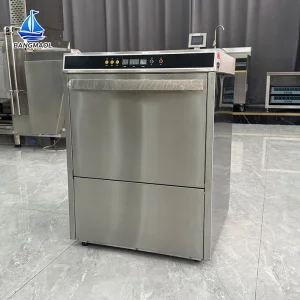
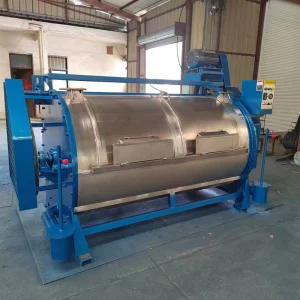
High-frequency dispensing requires rugged commercial washing setups (such as our Quick-Wash system) and fast dispensing paths to keep up with intense hourly order volume.
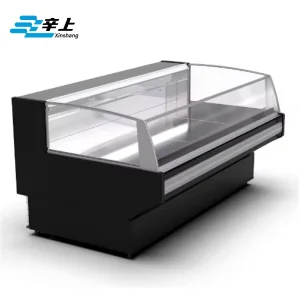
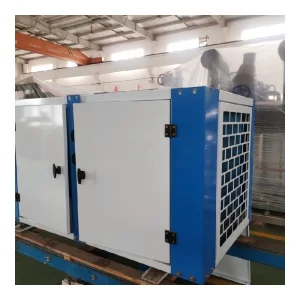
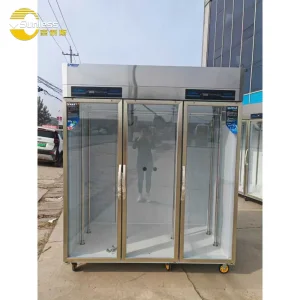
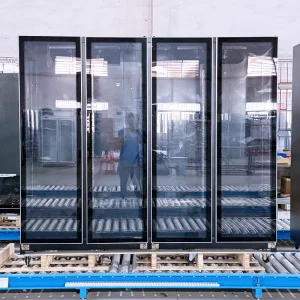
Integrating fresh food cabinets, meat display chillers, and remote condensing units to maintain cold preservation while delivering draft beverages at high volumes.
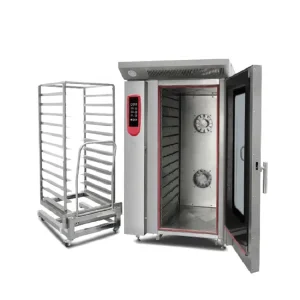
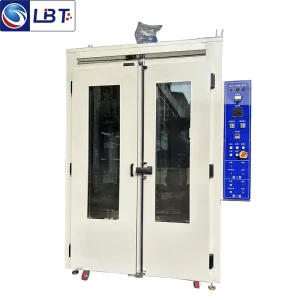
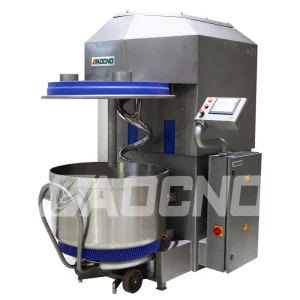
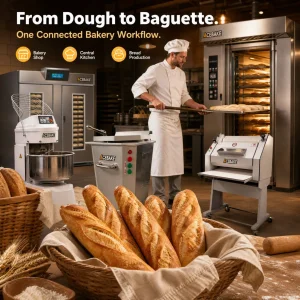
Utilizing our 12-tray convection ovens and industrial mixers in combination with beverage systems to support combined bakery-café formats.
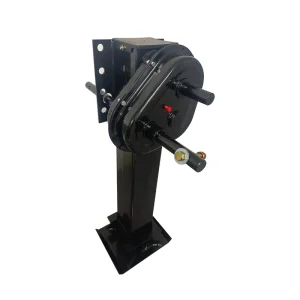
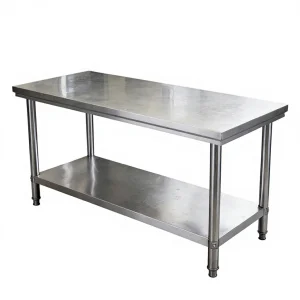
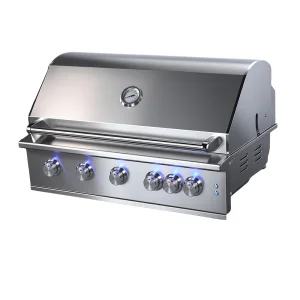
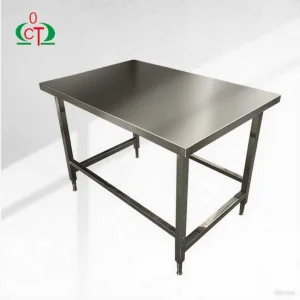
Heavy-duty 304 stainless steel prep tables, mobile semi-trailer transport gear (Saf Fuwa 28ton Jost type), and high-output BBQ installations for festivals.
Each sector demands specialized configurations. By sourcing from a single, vertically integrated manufacturer like Shandong Linru, buyers simplify post-purchase servicing, align structural warranties, and ensure consistent quality across different equipment classes.
At Shandong Linru Import & Export Trading Co., Ltd. (also operating under the Feijin brand), we have established four core values that form the foundation of our E-E-A-T framework:
Get professional, engineering-focused answers regarding compliance, installation, and operation of commercial kitchen and beverage dispensing systems.
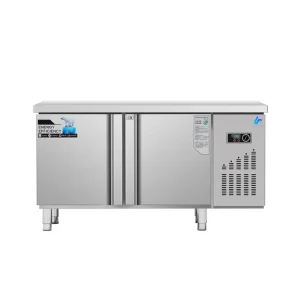
Explore our wide-ranging collection of under-counter refrigeration units, industrial preparation worktables, and high-performance commercial kitchen additions.
 Linru Kitchen Equipment