The food processing sector has shifted rapidly from traditional mechanical assistance to automated, high-precision culinary engineering. Dough mixer machines represent the foundation of industrial baking, pizza manufacturing, noodle production, and large-scale central kitchens. Globally, urban growth and the demand for long-shelf-life baked goods have driven massive requirements for robust, efficient, and hygienic dough mixing equipment.
According to recent global industrial food machinery market studies, the automated commercial bakery equipment sector is growing at a CAGR of 5.8%. Key drivers include the rise of artisanal bread chains, localized pizza outlets, ready-to-bake frozen dough supply chains, and large industrial food plants. In this context, commercial kitchens must prioritize high-throughput mixing structures that optimize yeast distribution, manage temperature friction, and achieve uniform gluten development. Modern dough mixers must handle variables like high hydration rates (often exceeding 80%) while maintaining low mechanical friction to prevent premature dough fermentation.
Engineering high-capacity food machinery demands strict adherence to sanitation, safety, and durability. Feijin Import & Export (associated with Shandong Linru Import & Export Trading Co., Ltd.) leverages 15 years of industry-leading commercial kitchen manufacturing experience. Our technical development focuses on solving the issues common to low-cost alternatives: motor burnouts, transmission slippage, paint chipping, and poor sanitization access.
Quality dough mixers utilize two primary mechanical principles: **Spiral Mixing** and **Planetary Mixing**. Spiral mixers spin the mixing bowl in synchronization with the spiral hook, reducing friction heat and processing dough with high hydration. Planetary mixers, conversely, rotate the mixing tool on an offset axis inside a stationary bowl, making them ideal for multi-functional applications like whipping cream, beating batters, and light kneading.
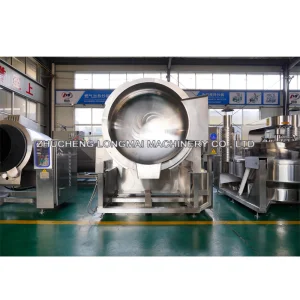
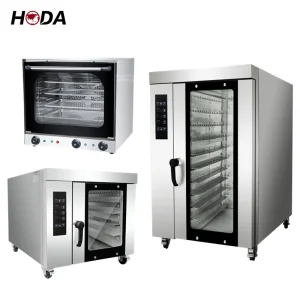
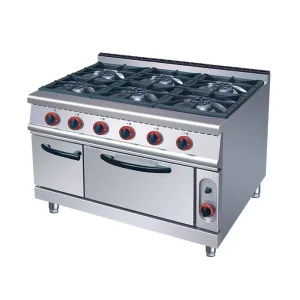
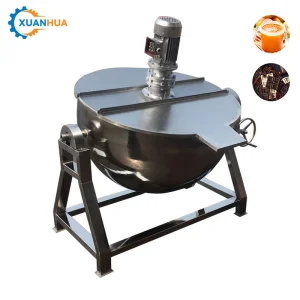
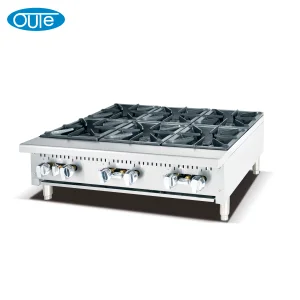
We build our commercial kitchen products under rigorous quality standards. Feijin's heating units, including commercial gas ranges and ovens, carry full-range **CCC (China Compulsory Certification)**. Crucially, our steam jacketed boilers and boiling kettles are certified under the **National Pressure Vessel Manufacturing License**. This guarantees the structural integrity of all pressurized chambers, preventing deformation, high-pressure ruptures, or steam leaks, and giving global food processors confidence in operational safety.
Feijin Import & Export brings 15 years of experience, rejecting cheap workarounds to ensure long-term equipment stability and international standards compliance.
We use premium SUS304 or SUS201 stainless steel, matching load-bearing designs and technical specs to each client's specific environment.
Our sales and support teams handle everything from voltage adaptation to shipping logistics, ensuring a smooth B2B purchasing experience.
China is the world's commercial kitchen manufacturing hub. Factories in industrial zones like Shandong leverage integrated supply chains to produce reliable, high-performance equipment at scale. Working with an established B2B manufacturer offers three key advantages:
Selecting the right commercial mixer depends on your product line. Below is a comparison to guide your procurement strategy:
| Machine Type | Primary Motion | Best Suited For | Hydration Tolerance | Key Advantage |
|---|---|---|---|---|
| Spiral Mixer | Dual-rotation (bowl and hook spin simultaneously) | Heavy doughs, bread, pizza, baguettes, bagels | High (50% to 80%+) | Low friction heat, rapid gluten development without over-kneading |
| Planetary Mixer | Offset rotation (agitator rotates while bowl is fixed) | Batters, pastries, whipped cream, cookie doughs, cookies | Medium-Low | Highly versatile with interchangeable attachments (whip, paddle, hook) |
| Horizontal Mixer | Horizontal shafts tumbling dough inside a large trough | Massive mass production, industrial bread plants | High-volume standardized | Highest throughput capacity, automated dumping systems |
Sourcing commercial equipment internationally requires careful planning. Keep this technical checklist in mind when ordering from Chinese exporters:
Commercial food machinery is shifting toward smart, automated operation. High-end dough mixers now incorporate PLC touchscreen panels, allowing bakers to program multi-stage mixing speeds, set exact timers, and monitor real-time temperature.
Preventing dough from overheating during long cycles is crucial. Overheated dough causes yeast to activate prematurely, ruining the final texture. Modern systems address this with built-in cooling jackets or integrated temperature probes, ensuring consistent quality in high-volume production.
What is the difference between SUS304 and SUS201 stainless steel in kitchen equipment?
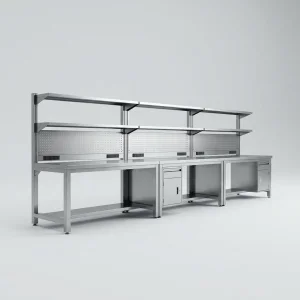
SUS304 contains higher levels of chromium and nickel, offering excellent corrosion resistance, especially in wet and acidic environments. It is the standard for food-contact components like mixing bowls and hooks. SUS201 is more economical and works well for structural components like worktable frames, cabinets, and outer panels that don't directly contact food.
Why is a National Pressure Vessel License important for jacketed kettles?
Jacketed kettles use pressurized steam to heat food evenly. A pressure vessel license ensures the equipment is engineered, welded, and pressure-tested to handle high-pressure environments safely, preventing workplace accidents.
Can I customize the voltage on commercial baking equipment?
Yes. Experienced exporters can customize electrical components—including motors, contactors, and control systems—to match regional standards like 110V/60Hz, 220V/60Hz, or 380V/50Hz.
How do spiral mixers prevent dough from overheating?
By rotating both the bowl and the hook, spiral mixers distribute mechanical action evenly. This processes the dough faster with less friction compared to planetary mixers, keeping the dough temperature stable.
What is the typical lead time for custom commercial kitchen orders?
Standard products typically ship within 15–20 days. Custom configurations (like specialized power requirements or custom dimensions) usually take 30–45 days, depending on the complexity and factory schedule.
 Linru Kitchen Equipment