Explore our high-performance thermal, refrigeration, and mechanical slicing equipment designed to meet the rigorous sanitary and volumetric demands of modern commercial kitchens.
High-volume slicing machinery is the backbone of operational throughput. This section explores the metallurgical and thermodynamic features that define commercial slicer engineering.
Modern commercial slicing blades are made of German-forged carbon steel or AISI 420 chrome-plated stainless steel, hardened to 58-62 HRC. This keeps the blade sharp under heavy load, prevents rust, and ensures consistent slice thickness from 0.2mm down to micro-tolerances.
Industrial food slicers rely on high-torque induction motors with poly-V belt drives or direct-gear transmissions. Class F insulation and sealed copper windings handle 24-hour continuous operations in damp meat processing environments, preventing overheating and mechanical failure.
Compliance with NSF/ANSI 8 and UL 763 standards is essential. Units feature zero-volt release safety switches, built-in dual-stone blade sharpeners, and permanent ring guards that cover the blade edge even when the carriage is removed for deep sanitization.
In modern industrial food preparation, a commercial slicer is not just a tool, but an integrated processing cell. Sourcing agents must look beyond price to examine the machine's mechanical details. The integration of heavy-gauge anodized aluminum alloys and high-performance food-safe lubricants prevents cross-contamination. Slicers must also handle varying food density, from soft cheeses like Mozzarella (which cause high drag) to dense, semi-frozen charcuterie (which require high-torque penetration).
Looking ahead, the industry is moving toward automated carriage movements, touch-control slice portioning, and integrated weighing systems that measure portion sizes in real-time. This reduces waste and lowers labor costs in high-volume production facilities.
Shandong Linru Import & Export Trading Co., Ltd. is a professional enterprise integrating the production and sales of commercial kitchen equipment. With 15 years of experience in the field, we have grown from a single line of kitchen stoves to a diversified portfolio of high-quality branded products. From the very beginning, we have been committed to improving our product quality step by step, firmly believing that only by ensuring consistent quality can we truly earn our customers’ trust and recognition.
In the field of refrigeration equipment, we adhere to strict quality standards and rigorous requirements. Every product is built to meet national quality standards, customized to satisfy client needs, and crafted with attention to detail that reflects our company’s commitment to excellence.
Our heating products, including stoves, have obtained full-range CCC (China Compulsory Certification). In addition, our jacketed kettles are certified not only with CCC but also with the National Pressure Vessel Manufacturing License, ensuring customers can purchase with confidence and use with peace of mind.

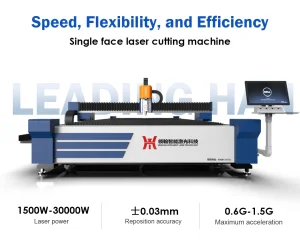
Feijin Factory Production Hall featuring CNC sheet metal and laser processing systems.
Our manufacturing processes are engineered to deliver durability, certification compliance, and customized support for commercial operations.
With 15 years of experience in commercial kitchen equipment manufacturing, Feijin Import & Export is committed to continuous product refinement, rejecting low-cost, low-quality shortcuts to ensure every piece of equipment delivers long-term stability and reliability.
For refrigeration products, Feijin Import & Export combines high standards with customization — guaranteeing full compliance with national quality standards while tailoring technical parameters to match each client’s specific application and usage environment.
Feijin’s stainless-steel preparation equipment is built using high-grade 304 or 201 stainless steel, with meticulous attention to load-bearing design, craftsmanship, and finishing details, ensuring both durability and aesthetic excellence.
With 15 years of experience in commercial kitchen equipment manufacturing, Feijin Import & Export is committed to continuous product refinement, rejecting low-cost, low-quality shortcuts to ensure every piece of equipment delivers long-term stability and reliability.
Food service operations face varying requirements. We design and package equipment to meet specific needs across different sectors.
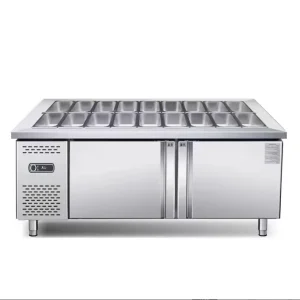
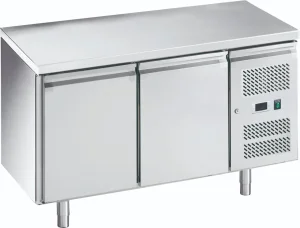
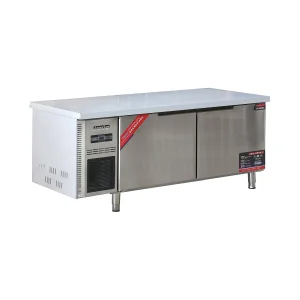
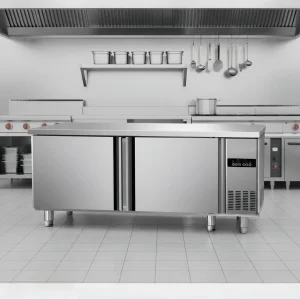
High-volume deli counters need fast, continuous meat and cheese slicing. High-torque, gear-driven slicers are critical here, as they prevent belt slippage during heavy, continuous loads. Our systems work alongside refrigerated prep tables and commercial under-counter freezers to keep cold cuts fresh, maintaining cold-chain compliance from slicing to serving.
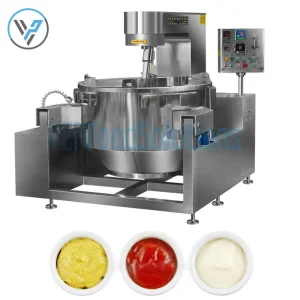
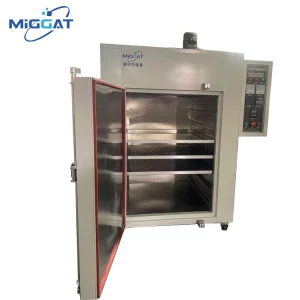
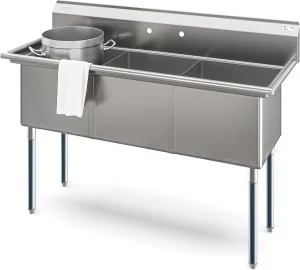
Central kitchens require high throughput, reliable operation, and fast cleanups. This is where planetary jacketed kettles, high-capacity convection baking ovens, and heavy-duty worktables with sinks form an integrated cooking line. Slicers used in these facilities are often fully automatic, running at speeds up to 60 slices per minute to handle vegetables, meats, and cheeses with minimal human intervention.
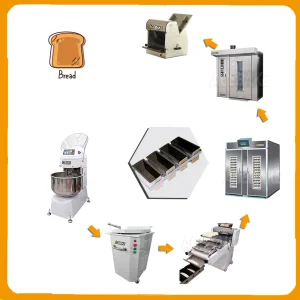
In wholesale baking, slicing must be clean and consistent to prevent tearing delicate loaves. Our complete baking production lines integrate dough mixers, deck ovens, and industrial slicing systems that slice bread at high speeds. These lines handle loaf slicing, bun dividing, and packaging prep while maintaining crumb structure and product quality.
A checklist for sourcing agents evaluating Chinese suppliers on capacity, technical capabilities, and logistics.
Global procurement managers must look beyond unit price to evaluate the total cost of ownership (TCO). When sourcing commercial slicers and food machinery from China, key criteria include:
Shandong Linru (Feijin) supports these requirements with a transparent manufacturing process. From raw material inspection to final performance testing under load, we document each step. This gives international buyers full visibility into quality control before shipping.
Our international export infrastructure ensures smooth customs clearance, certified safety compliance, and reliable access to spare parts.
Purchasing heavy machinery internationally requires solid regulatory compliance. For EU regions, our machines hold CE and RoHS certifications. For the North American market, motors and electrical components comply with UL and NSF sanitation standards. Additionally, our specialized thermal equipment—like jacketed kettles—holds the National Pressure Vessel Manufacturing License, which is required for import and operation in regulated facilities.
To support buyers post-sale, we maintain a stocked warehouse of critical wear-and-tear parts, including replacement carbon steel blades, drive belts, planetary gears, and sharpening stones. We ship replacement parts via express courier to minimize downtime in high-throughput commercial operations.
We answer common technical questions from B2B sourcing managers regarding operation, material selection, and custom orders.
Chrome-plated carbon steel blades hold a sharp edge longer and are typical for heavy meat slicing. Stainless steel blades offer superior rust protection, making them ideal for high-acid foods like cheese, tomatoes, and vegetables, though they may require more frequent sharpening.
For light delis, a 1/4 to 1/3 HP motor is sufficient. Heavy-duty grocery stores and central kitchens slicing high volumes of meat and cheese require 1/2 HP or 1 HP motors to handle continuous loads without motor drag or overheating.
Our equipment features emergency-stop switches, blade ring guards, safety interlock mechanisms on carriage assemblies, and zero-volt release switches that prevent the machine from starting back up automatically after a power outage.
For commercial jacketed kettles, this license confirms the equipment has passed pressure, weld quality, and safety testing to operate safely at high pressures and temperatures without structural failure.
Yes. We customize configurations to match local standards, offering 110V/60Hz, 220V/50Hz, 220V/60Hz, and three-phase 380V/50Hz options to ensure compatibility with local power grids.
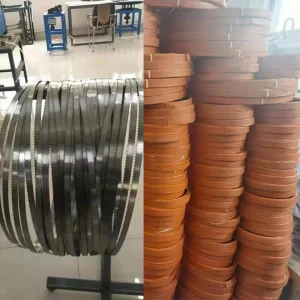
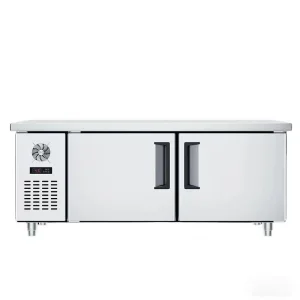
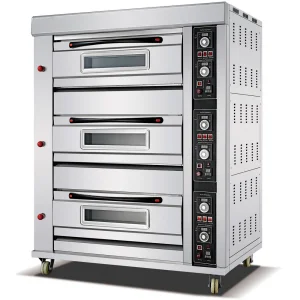
Our complete line of stainless steel preparation tables, specialty bakery lines, convection ovens, and heavy-duty band saws for food processing operations.
 Linru Kitchen Equipment