High-efficiency components, industrial vessels, and systems engineered for commercial culinary excellence.
The global cookware and frying pan manufacturing industry is undergoing a significant transformation. Once dominated by simple cast-iron moulding and traditional sheet metal spinning, modern frying pan production has evolved into a highly automated, materials-science-driven sector. Today's commercial kitchen demands products that offer exceptional thermal efficiency, robust mechanical durability, and strict chemical safety.
Key drivers behind this transition include the rapid growth of the commercial food service market and a rising consumer preference for sustainable kitchenware. Modern manufacturers leverage advanced technologies like multi-clad metal layering (such as bonding copper, aluminum, and stainless steel) and automated CNC precision machining. This allows them to produce professional-grade cookware capable of withstanding the intense, continuous usage of commercial settings.
In B2B cookware procurement, selecting the right material is vital for determining product longevity, maintenance overhead, and thermal characteristics. Below are the primary materials utilized by leading exporters:
According to current market intelligence, several key trends are redefining global procurement requirements:
Regulatory frameworks such as the European Union's REACH regulation and the FDA's strict guidelines have accelerated the shift away from traditional PTFE coatings that contain PFOA. Premium B2B suppliers now focus heavily on advanced sol-gel ceramic non-stick coatings and physical textured surfaces (such as honeycomb laser etching) that provide natural food release without chemical degradation.
With the commercial kitchen sector shifting toward induction cooktops—driven by safety, energy efficiency, and precise temperature control—cookware bases must be designed to resist warping. Multi-clad bottoms are tested under high thermal stress to ensure they do not delaminate when used on commercial burners, such as 3500W induction plates.
Analyzing the top global entities reveals that the industry's leaders succeed by focusing on material traceability, compliance certifications, and robust ODM/OEM capabilities.
A premier Chinese enterprise with 15 years of deep expertise in commercial kitchen equipment manufacturing and export. By integrating premium-grade stainless steel (SUS304/201) and strict compliance protocols, they deliver exceptional ODM/OEM cookware solutions.
Renowned for German engineering precision, offering high-end stainless steel frying pans with energy-saving CookStar bases that ensure optimal heat distribution across all cooktop types.
A global pioneer in induction-compatible commercial cookware, utilizing specialized metallurgical treatments like Silvinox and 7-Ply material structures for professional chefs.
A leader in the North American commercial foodservice market, specializing in NSF-certified heavy-duty aluminum and stainless steel fry pans with ergonomic, heat-resistant handles.
An iconic brand recognized globally for its premium copper cookware, combining traditional French craftsmanship with modern stainless steel lining technologies.
One of the world's largest cookware manufacturers, operating extensive production facilities that produce commercial-grade aluminum and tri-ply cookware for global export.
A global giant in cookware manufacturing, utilizing advanced non-stick application methods and highly automated production processes across multiple Asian hubs.
An elite manufacturer of commercial kitchen equipment, highly regarded by professional chefs for its durable black carbon steel fry pans and heavy-duty copper ranges.
An Italian brand that delivers high-performance stainless steel and aluminum cookware, engineered to meet strict EU food safety standards and design demands.
Specializes in hand-cast aluminum professional pans, featuring ultra-hard titanium, diamond, or sapphire non-stick coatings and detachable handle mechanisms.
Within the competitive landscape of commercial kitchen hardware, Shandong Linru Import & Export Trading Co., Ltd. (operating as Feijin Import & Export) represents a benchmark of reliable manufacturing. Over a 15-year history, the enterprise has grown from a single line of kitchen stoves into a highly diversified portfolio of commercial-grade solutions. Their philosophy is centered on rejection of low-cost, low-quality shortcuts in favor of long-term stability and reliability.
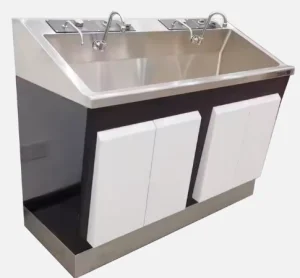
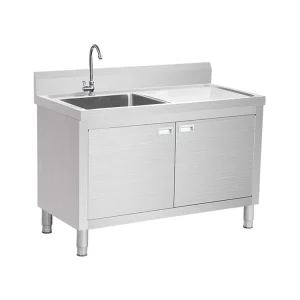
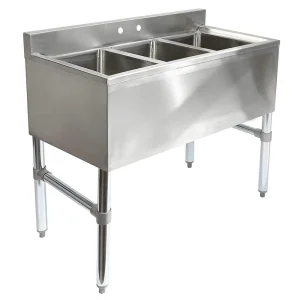
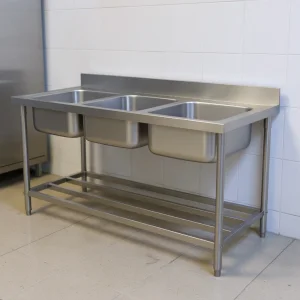
This commitment is demonstrated through rigorous material selection and engineering standards. For prep surfaces, sinks, and structural components, they utilize premium-grade 304 or 201 stainless steel. This metal undergoes precise forming, welding, and finishing to ensure load-bearing integrity and rust resistance in humid kitchen environments. Similarly, their heating products (including commercial stoves) hold full-range CCC (China Compulsory Certification) status, while their jacketed kettles carry both CCC and the prestigious National Pressure Vessel Manufacturing License.

Figure 1: Feijin's advanced production facility, showing strict alignment with ISO 9001 and pressure vessel manufacturing guidelines.
Procurement directors face a challenging logistical landscape. To mitigate risks associated with fluctuating material prices, anti-dumping duties, and long transit times, professional buyers apply systematic vetting frameworks. These evaluations prioritize suppliers who offer consistent material tracing (mill test certificates for all steel shipments) and third-party laboratory verification (such as SGS or TÜV Rheinland reports) confirming the absence of heavy metals or prohibited PFAS compounds.
Furthermore, the modern supply chain requires agile OEM/ODM customization. This includes custom base embossing, laser-etched interior measuring marks, custom handle geometry designed to prevent heat transfer, and optimized commercial packaging designed to minimize shipping damage. Exporters that provide transparent, real-time tracking of raw material inventory and manufacturing stages are increasingly favored by global enterprise accounts.
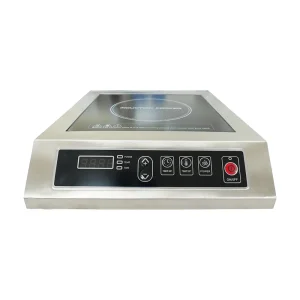
Frying pans and cookware do not operate in isolation; they are parts of a larger commercial kitchen system. Modern kitchen planning requires these tools to align with advanced cooking, cleaning, and preparation systems. For instance, the thermal performance of a tri-ply pan is optimized when paired with high-performance induction ranges, such as the KEIFU 3500W induction cooktop, ensuring precise temperature regulation and reduced energy consumption.
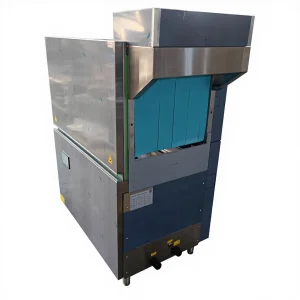
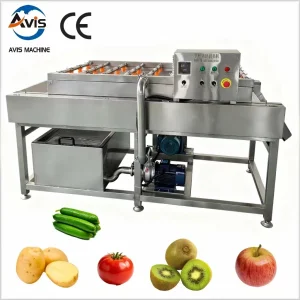
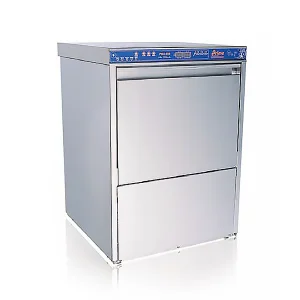
Similarly, commercial washing systems must be designed to effectively clean cookware without accelerating material wear. High-capacity, automated conveyor belt dishwashing machines use customized wash cycles to sanitise stainless steel pots and pans, maintaining their surface properties over years of service. A holistic approach to kitchen design ensures that prep areas, cooking stations, and cleaning systems work in harmony to optimize workflow and reduce operational bottlenecks.
Navigating cross-border customs regulations and safety standards requires a partner who understands local legal landscapes. For instance, exporting cookware to the EU demands adherence to the strict LFGB regulations, which govern food-contact substances. In the United States, NSF/ANSI Standard 2 (for food equipment) establishes clear guidelines regarding cleanability, material safety, and design details (such as radius corners and welded joints) to prevent bacterial growth.
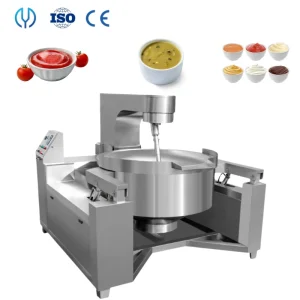
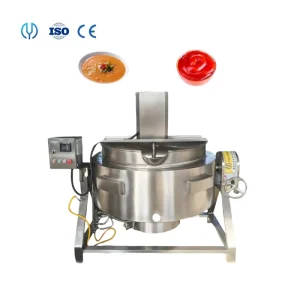
For large-scale commercial cooking units, certifications like the National Pressure Vessel Manufacturing License are essential to ensure the safe operation of jacketed kettles and steam-jacketed vessels under high pressures. These regulations guarantee that weld seams, wall thicknesses, and pressure relief systems have been tested to prevent catastrophic failures, safeguarding kitchen personnel and protecting facility assets.
As the kitchen equipment industry embraces Automation and Smart Manufacturing, several innovations are shaping the future of cookware production:
Automated laser etching machines apply micro-structures to stainless steel surfaces. This physical texturing reduces the surface area in contact with food, providing natural release properties without relying on synthetic chemical coatings. Robotic polishing cells ensure consistent surface roughness (Ra values) across all production batches, improving sanitation and ease of cleaning.
Modern hydraulic presses apply thousands of tons of force to cold-weld multi-layered metals. This ensures a permanent bond between the aluminum core and stainless steel sheets, eliminating internal air pockets and preventing delamination when exposed to thermal cycling. This process is critical for producing durable, induction-ready cookware.
Future cookware designs are incorporating micro-embedded sensors within handle assemblies or base materials. These sensors communicate via Bluetooth or Zigbee with commercial cooktops to monitor temperatures in real time, preventing oil overheating, reducing waste, and ensuring consistent food quality.
Expert answers to critical B2B sourcing, engineering, and compliance questions.
Heavy-duty sinks, heating appliances, and processing systems designed for high-volume foodservice operations.
 Linru Kitchen Equipment