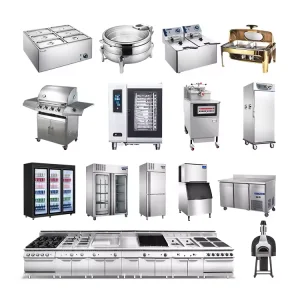
At Shandong Linru Import & Export Trading Co., Ltd. (familiarly known across international markets as Feijin Import & Export or Shandong Binzhou Feijin Import & Export Trading Co., Ltd.), we approach the design and production of commercial kitchen equipment with a philosophy of absolute structural integrity and systemic performance. Celebrating 15 years of continuous research, engineering refinement, and market leadership, we have successfully evolved from a highly focused line of kitchen stoves into a globally recognized, diversified portfolio of commercial-grade culinary platforms.
"We firmly reject low-cost, low-quality structural compromises. By ensuring rigid materials compliance and strict adherence to pressure and electrical standards, we establish the reliability that global enterprise procurement networks require to protect their operational continuity."
Our specialized development tracks include thermal heating systems, industrial pressure vessels, and next-generation mobile refrigeration solutions. Our heating units and stoves are backed by full-range CCC (China Compulsory Certification) approvals. Further reinforcing our credentials, our high-output jacketed kettles hold not only the standard CCC marks but also the rigorous National Pressure Vessel Manufacturing License, allowing operators worldwide to deploy our heavy-duty culinary equipment with absolute peace of mind.
feijin Import & Export ensures that every structural module meets demanding domestic and international parameters. From pressure tests to fire and electrical safety certifications, our systems guarantee a compliant, audit-ready operational environment.
Whether optimizing refrigeration cycles, modifying electrical loads, or implementing distinct configurations for outdoor settings, we tailor our OEM/ODM architectures directly to the operational demands and regulatory environments of our clients.
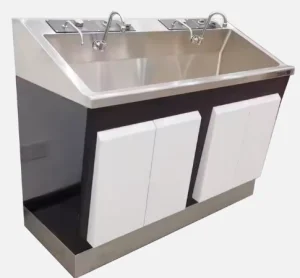
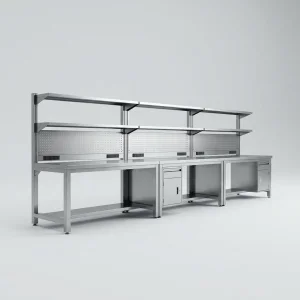
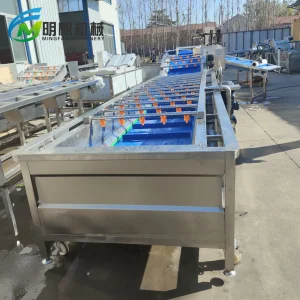
By processing high-grade SUS 304 or 201 stainless steel under strict thickness controls, our preparation tables, warmers, and washing systems stand up to harsh chemical cleanings, mechanical wear, and heavy, continuous daily workloads.
The global commercial kitchen landscape is undergoing a critical transition towards electrification, energy efficiency, and mobility. Traditional fixed kitchens are being supplemented—and in some cases replaced—by versatile, modular, and portable cooking stations. These systems must deliver the same thermal velocity, temperature stability, and safety margins as their stationary counterparts, but within a compact, vibration-resistant envelope.
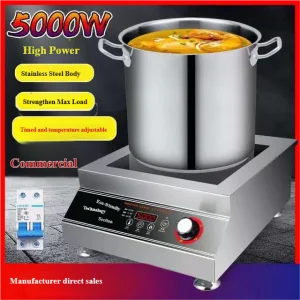
The integration of commercial-grade 5000W induction technology represents a critical advancement. Unlike traditional gas burners, which lose up to 60% of their heat energy to the surrounding atmosphere, modern electromagnetic systems achieve thermal efficiencies exceeding 90%. Our engineering roadmap focuses on optimizing multi-zone induction coils that dynamic-sense pan profiles, distributing thermal energy evenly and eliminating hot spots that compromise commercial food output.
Future portable cooking stations are no longer passive appliances; they are active, connected hardware endpoints. Shandong Linru is actively prototyping microprocessor-driven modules featuring integrated temperature telemetry. These sensors track heat cycles, monitor critical component performance, and transmit maintenance diagnostics via cloud APIs. In institutional environments, this telemetry ensures compliance with standard HACCP protocols automatically.
Modern catering and hospitality operations require physical flexibility. Our commercial-grade portable stations and structural accessories are engineered to solve diverse operational challenges across multiple vertical industries:
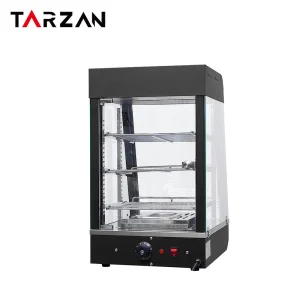
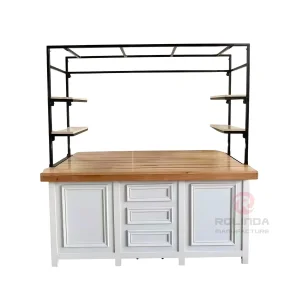
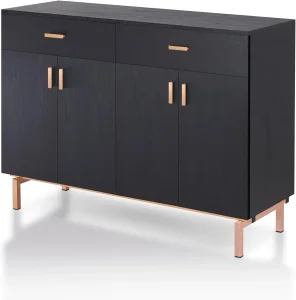
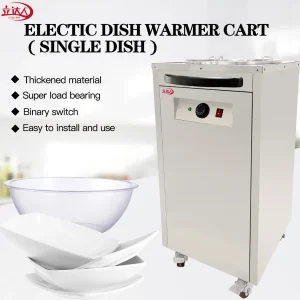
Hotels and premium resorts require mobile buffet lines and dynamic live-cooking stations that can transition from interior dining halls to outdoor banquet areas. Our modular wooden buffet tables and electric commercial display warmers provide robust presentation frameworks that maintain optimal food temperatures under strict sanitary guidelines.
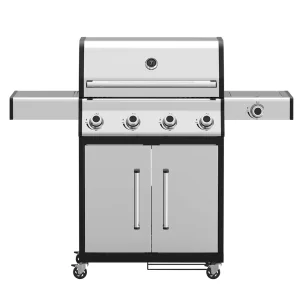
Military, humanitarian relief, and remote mining camps require ruggedized, mobile cooking platforms that operate under challenging climate extremes. Our heavy-duty gas BBQ griddle cookers and pressure jacketed kettles are engineered with reinforced structural frames and mechanical controls to ensure reliable performance without complex electronics.
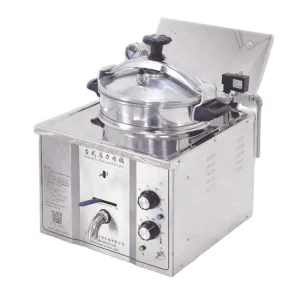
Quick Service Restaurants (QSR) and centralized delivery kitchens rely on modular workstations to dynamically adjust their production capacities. Double-layer stainless steel prep tables, combined with high-capacity fryers and induction hotpots, allow facility designers to configure assembly lines that adapt to changing menus.
Our production base in Shandong, China leverages automated metal processing to deliver high-quality commercial hardware. By utilizing laser cutters, automated welding systems, and multi-axis bending presses, we manufacture equipment with tight tolerances and structural consistency.
Our raw material supply chain ensures that only high-quality stainless steel alloys are fed into production. We utilize SUS 304 stainless steel for direct food-contact surfaces, including preparation sinks, deep fryers, and cooking vessels, to provide optimal resistance to organic acids and sanitizing agents. For non-contact structural supports and structural panels, we utilize SUS 201 alloys to balance durability and structural cost-efficiency.

By maintaining strategic steel reserves and using in-house tooling centers, we protect our production schedules from fluctuations in the raw metal markets. This structural resilience allows us to offer consistent production lead times for large-volume OEM procurement projects.
Procuring commercial cooking equipment requires strict alignment with target market safety regulations. Non-compliant commercial appliances can lead to customs holds, structural failures, or facility shutdown liabilities. At Shandong Linru, we run integrated validation procedures to verify that our assemblies comply with key global standards:
Our industrial jacketed kettles comply with strict national safety regulations. We maintain the National Pressure Vessel Manufacturing License, meaning that all pressurized chambers are subjected to non-destructive weld testing, hydrostatic verification, and safety valve calibration before they leave the factory.
Our high-voltage electric food warmers, commercial fryers, and induction cooktops are designed to meet CE standards and national CCC requirements. We test insulation resistance, leakage currents, and ground bonding under high operating loads to ensure stable, reliable performance in professional kitchen environments.
Every weld, joint, and seam on our preparation tables, operating sinks, and mixing machinery is polished to prevent bacterial accumulation. Our processing equipment is built to meet cleanability and food-contact material safety standards, preventing contamination and supporting standard hygiene routines.
Working with Shandong Linru as your OEM partner provides a structured, transparent process from initial engineering drawings to final shipping delivery:
 Linru Kitchen Equipment