What is the difference between SUS 304 and 201 stainless steel?
SUS 304 stainless steel contains higher nickel content, offering superior corrosion and rust resistance, making it ideal for wet and heavy-duty commercial kitchen environments. 201 stainless steel is a cost-effective alternative suitable for drier or light-use settings.
Can the commercial stainless steel sinks be customized?
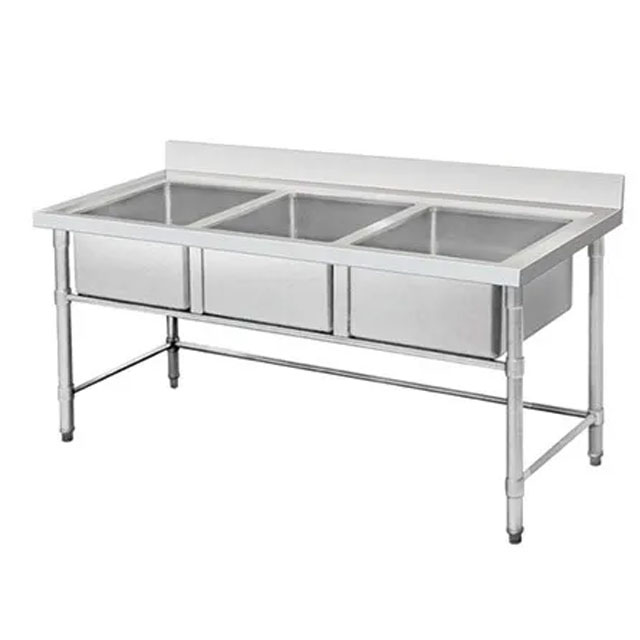
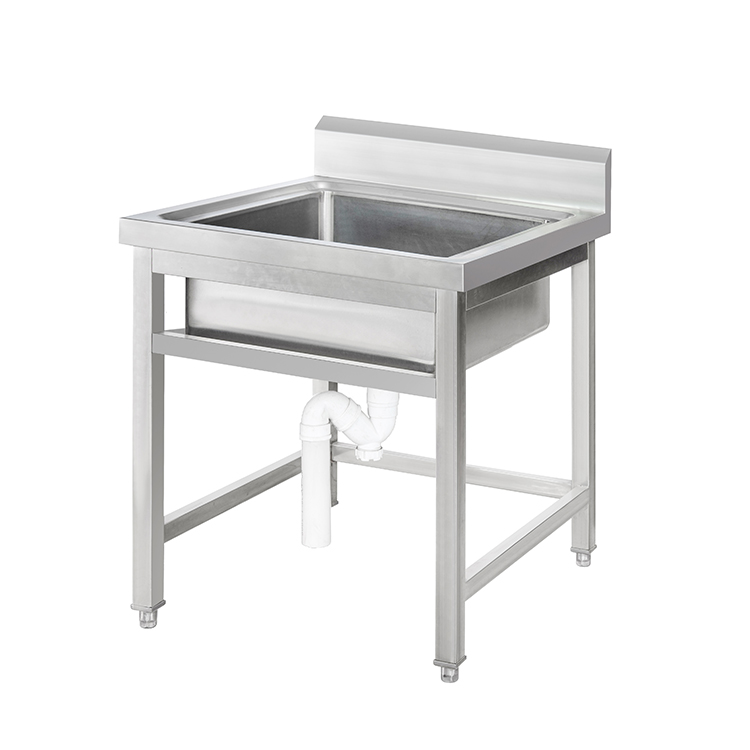
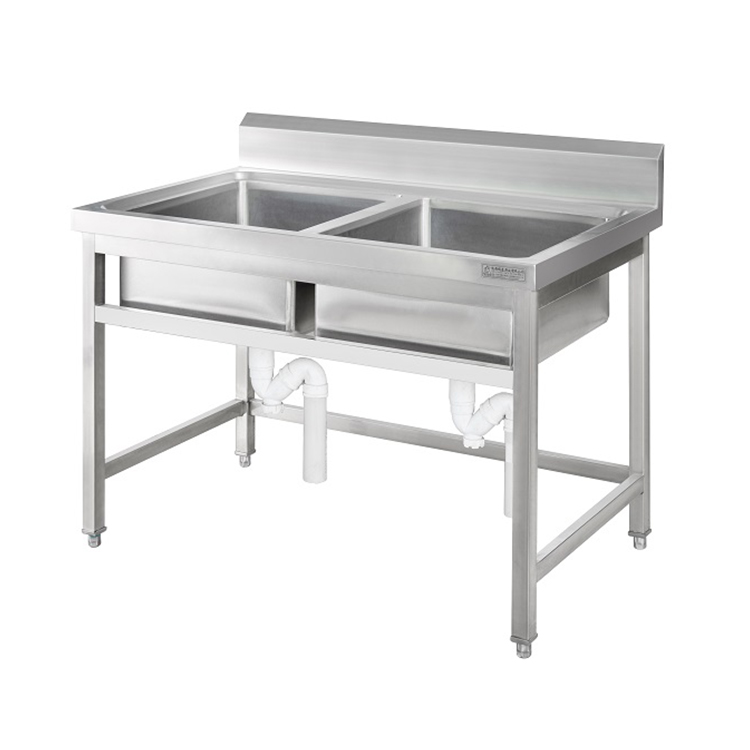
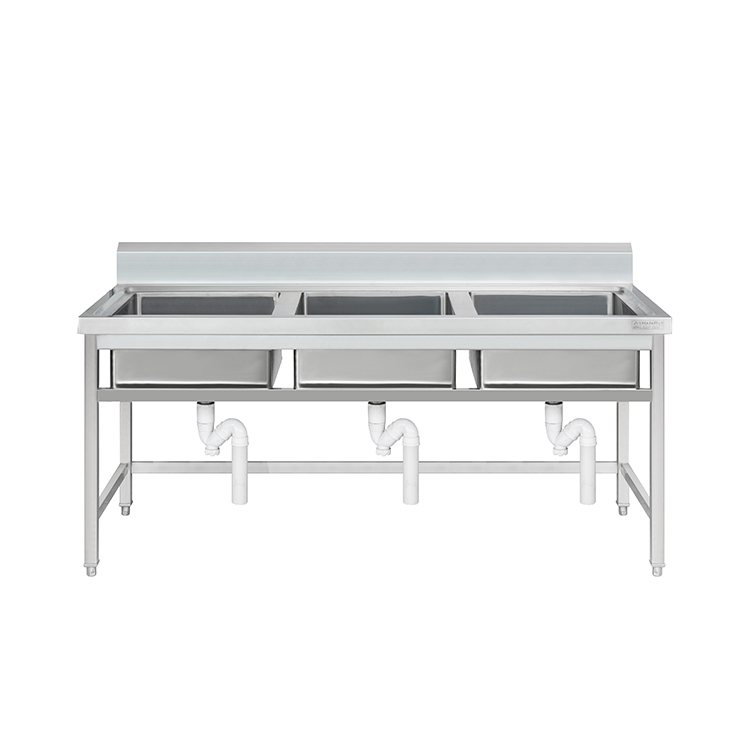
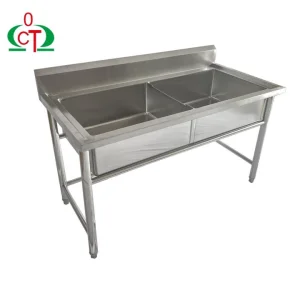
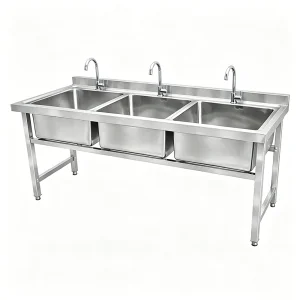
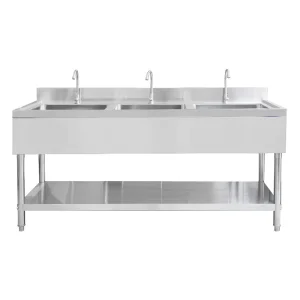
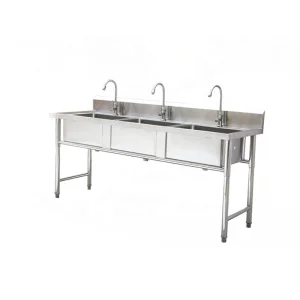
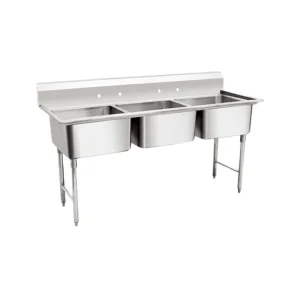
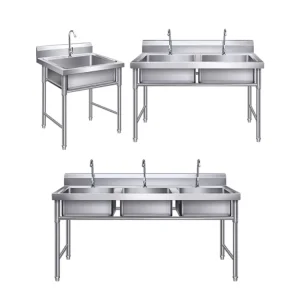
Yes, customized options are available, including custom outer dimensions, material thickness, bowl sizes, and specific configurations (single, double, or triple bowls) to fit your kitchen layout.
What is the difference between welded and assembled installation types?
Welded sinks offer a seamless, pre-built structure that provides maximum durability and eliminates assembly work. Assembled sinks are shipped flat-packed, which reduces shipping costs and makes them easier to transport through narrow corridors before setup.
What material thickness should I choose for my commercial kitchen?
Our thickness range is 0.8mm to 1.5mm. For heavy commercial environments, we recommend a thickness of 1.2mm or 1.5mm to ensure high impact resistance and long-lasting durability.
How do I maintain and clean the stainless steel sink?
Clean the sink regularly with mild soap and warm water, then dry with a soft cloth. Avoid using steel wool, abrasive pads, or harsh bleach-based chemical cleaners that could scratch or degrade the surface protective layer.
 Linru Kitchen Equipment