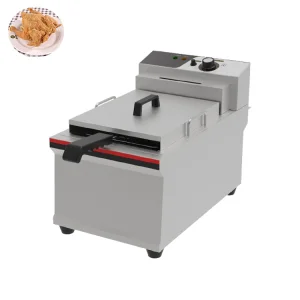
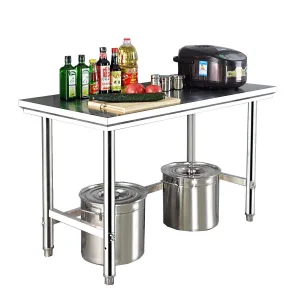
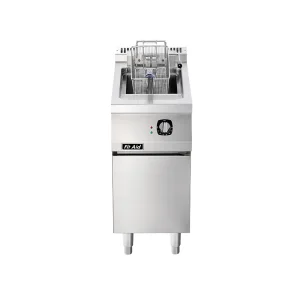
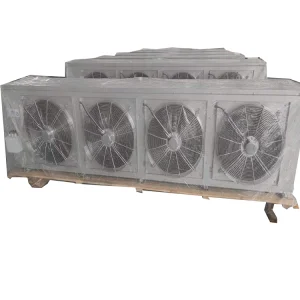
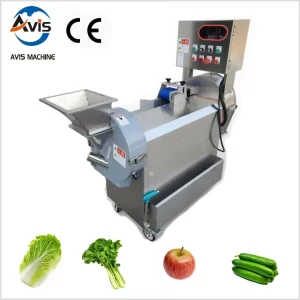
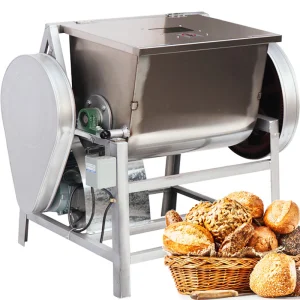
Explore our foundational range of heavy-duty commercial food preparation, storage, and processing hardware engineered for continuous multi-shift operations.
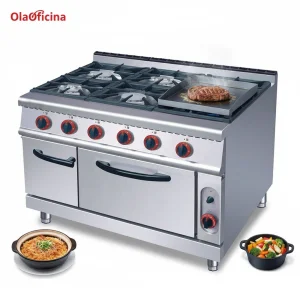
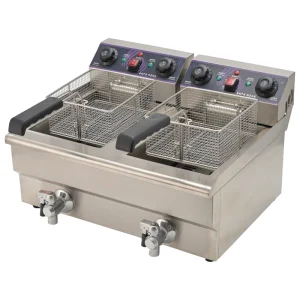
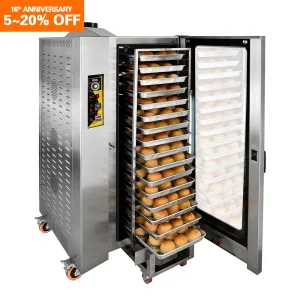
A comprehensive examination of design engineering, metallurgical specifications, global regulatory alignment, and supply chain strategies in modern foodservice operations.
In high-capacity commercial kitchens, the deep fry basket is not merely a passive holder for ingredients; it is a critical interface in the thermal transfer process. For procurement heads at global quick-service restaurant (QSR) chains, hotel conglomerates, and marine catering organizations, choosing the right supplier dictates operational efficiency, longevity, and regulatory compliance. Every minute of down-time caused by structural failure—such as broken welds, wire degradation, or coating erosion—impacts the bottom line. This white paper serves as an authoritative guide to the engineering standards, material choices, and manufacturing processes defining the global top-tier deep fry basket market.
To evaluate a manufacturer's capacity, one must understand both the micro-level physics of wire basket construction and the macro-level logistics of bulk export. From localized engineering specifications to standard ISO-certified manufacturing environments in China, the landscape demands deep technical scrutiny. This guide presents key benchmarks to evaluate exporters and highlights the supply chain advantages offered by dedicated production partners like Shandong Linru Import & Export Trading Co., Ltd. (operating as Feijin Import & Export).
"A deep fry basket's structural lifetime is fundamentally determined by the quality of its stainless-steel raw material and the precision of its resistance spot welding. Low-grade alloys degrade rapidly in acidic, high-heat oil environments, risking food contamination and structural collapse."
The commercial frying medium presents a harsh chemical environment. Oil, heated continuously to temperatures ranging between 175°C and 195°C (347°F to 383°F), breaks down over time, forming free fatty acids. Combined with moisture released from frozen foods, this creates an acidic environment that attacks standard metals. Top-tier manufacturers utilize austenitic stainless steel, specifically AISI 304, to combat this corrosion profile. Grade 304 contains 18% chromium and 8% nickel, providing superior resistance to intergranular corrosion and oxidation.
Conversely, budget manufacturers may rely on AISI 201 or carbon steel with low-quality nickel plating. While carbon steel is initially cost-effective, its protective plating layer will inevitably wear down from constant mechanical scrubbing. Once exposed, the substrate is highly susceptible to rust. This rust acts as a catalyst, accelerating the degradation of frying oil and spoiling the flavor profile of food. Grade 201, while stronger due to its higher manganese content, is vulnerable to stress-corrosion cracking and pitting in wet, salty environments typical of busy commercial prep areas. Understanding these metallurgical nuances is essential for long-term cost of ownership (TCO) optimization.
For B2B buyers operating across North America, Europe, and the APAC region, localized regulatory compliance is a key risk factor. Food-contact materials must strictly adhere to the guidelines set by bodies such as the US Food and Drug Administration (FDA), the European Food Safety Authority (EFSA), and the German LFGB. High-quality deep fry baskets must feature electropolished surfaces that remove micro-burrs and weld scale, eliminating potential harborages for bacterial biofilms. This ensures the baskets are cleanable and hygienic.
Furthermore, complete equipment setups—including integrated basket lifts, heating elements, and controls—require comprehensive system certifications. Shandong Linru Import & Export Trading Co., Ltd. is built upon these principles. The company ensures its commercial kitchen stoves and heating products carry full-range CCC (China Compulsory Certification). More importantly, its jacketed kettles and thermal vessels comply with the strict requirements of the National Pressure Vessel Manufacturing License. This level of regulatory readiness guarantees that commercial kitchens can pass municipal health and safety inspections without friction.

When searching for a global supplier, B2B procurement managers prioritize reliability, cost-efficiency, and design flexibility. China's commercial kitchen manufacturing sector remains the global hub for wire-forming and stamping. By leveraging advanced automation, such as CNC multi-axis wire bending machines and automatic multi-spot welding gantries, Chinese factories achieve tight tolerances and consistent quality that manual production lines cannot replicate.
This automated foundation allows for cost-efficient, high-volume production without sacrificing quality. Shandong Linru Import & Export Trading Co., Ltd., with over 15 years of industry-specific experience, exemplifies this industrial capability. Rather than utilizing outsourced components, the company maintains strict control over its supply chain, overseeing raw material procurement through to final electropolishing and stress testing. This vertically integrated manufacturing model supports bespoke customization (OEM/ODM), allowing clients to specify mesh spacing, wire thickness, handle angles, and bracket configurations to fit specific commercial fryers like Pitco, Frymaster, or Dean.
Designed with tight wire grids (typically 1.2mm to 1.5mm wire diameters) to hold small foods such as French fries, cheese curds, and small chicken tenders. Optimized for maximum oil drainage and structural integrity.
Features custom formed wire inserts to hold tortillas or specialized proteins in place during immersion, preventing curling or sticking. Vital for high-volume quick-service Mexican concepts.
Optimized for rapid vertical lift cycles and swirling actions in boiling oil or water. Often constructed from heavy-gauge stainless steel with reinforced rims for durability.
Navigating global logistics in the current market requires strategic planning. Top-tier exporters do not simply ship products; they actively manage supply chain risk. This includes providing sea-worthy packaging (moisture-barrier wrapping and reinforced crating to prevent corrosion during transit), managing customs clearance, and securing space on global shipping alliances.
By partnering with a reliable importer and exporter like Feijin, corporate buyers gain access to consolidated shipping options and secure ocean freight agreements. Feijin's 15-year footprint in international trade provides the necessary infrastructure to manage tariff compliance, export documentation, and port-to-port logistics, ensuring on-time delivery to distribution centers worldwide.
A breakdown of Feijin Import & Export's operational advantages, combining engineering expertise, material quality, and compliance.
Feijin Import & Export is committed to continuous product refinement, rejecting low-cost, low-quality shortcuts. Our equipment complies with national quality standards, providing long-term reliability and safety.
For refrigeration and food heating products, Feijin Import & Export combines high manufacturing standards with deep customization, tailoring technical parameters to match each client's specific application and usage environment.
Feijin's preparation equipment is built using high-grade 304 or 201 stainless steel. We focus on load-bearing design, craftsmanship, and finishing details to ensure durability and aesthetic quality.
Expert answers addressing the technical, regulatory, and logistics queries commonly raised by commercial kitchen equipment buyers.
Authenticity can be verified via material test reports (MTRs) showing chemical composition, specifically nickel (8%+) and chromium (18%+) levels. For on-site checks, X-ray fluorescence (XRF) analyzers or chemical testing reagents can confirm the grade, ensuring protection against corrosion.
Electropolishing uses an electrochemical process to remove microscopic peaks from the steel's surface. This smooths the wire, makes cleaning easier, and removes surface impurities, enhancing the metal's natural corrosion resistance.
Yes. Established manufacturers like Shandong Linru support OEM/ODM services, adjusting basket sizing, hanging hook placement, and handle shapes to fit major global fryer brands like Pitco, Frymaster, and Vulcan.
Under continuous 24/7 QSR use, a premium 304 stainless steel basket lasts between 12 to 24 months. Nickel-plated carbon steel baskets typically last 3 to 6 months before showing signs of wire wear or plating breakdown.
For electronic controls and heating elements, look for CCC, CE, or UL/NSF listings. For pressurized cooking equipment, ensure the factory holds a certified National Pressure Vessel Manufacturing License to guarantee safety and compliance.
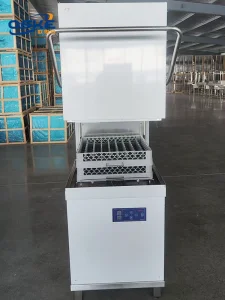
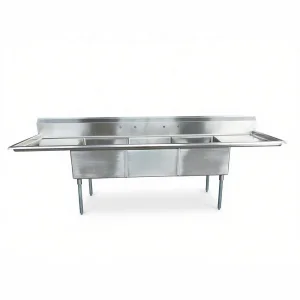
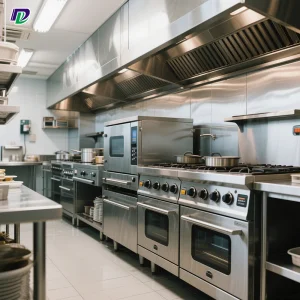
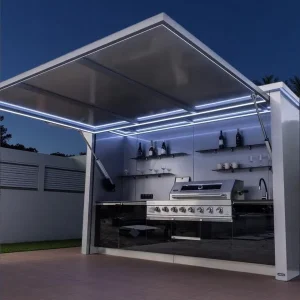
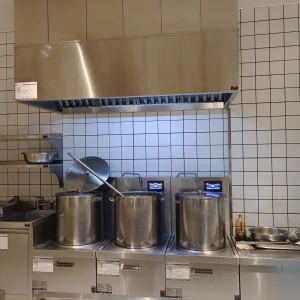
Explore our heavy-duty processing, sanitation, refrigeration, and specialized catering units designed to support diverse commercial kitchens.
 Linru Kitchen Equipment