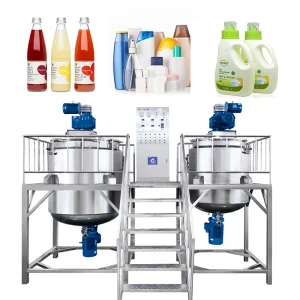
Explore our flagship industrial components, automated food processing machinery, and commercial-grade kitchen infrastructure solutions.
How cutting-edge motor dynamics, battery safety standards, and advanced metallurgy are shaping the next generation of portable appliances.
The transition from traditional brushed DC motors to Brushless DC (BLDC) motors represents a quantum leap in portable blending power. BLDC technology delivers up to 40% higher torque efficiency, reduces operational noise below 60dB, and doubles the operational lifespan. Factories are now utilizing 7.4V to 12.6V dual-cell configurations to drive rotational speeds exceeding 22,000 RPM, allowing instant ice-crushing performance without motor stall hazards.
Modern battery architecture relies on high-density lithium-ion packs (such as 18650 or 21700 arrays) protected by advanced Battery Management Systems (BMS). This firmware prevents overcharging, over-discharging, thermal runaway, and short circuits. Future roadmaps indicate a shift toward USB-C Power Delivery (PD) protocols, reducing recharge cycles to under 45 minutes, alongside eco-friendly, fast-charging solid-state batteries.
Consumer safety mandates are shifting material profiles from basic polycarbonate to Eastman Tritan™ Copolyester (EX401/EX501) or high-grade pharmaceutical borosilicate glass. These materials guarantee zero BPA/BPS leaching, possess superior impact resistance, and can survive thermal shocks during high-temperature sanitization cycles. The future emphasizes biodegradable, plant-based structural polymers to support global carbon-neutral mandates.
Global consumer product markets demand rapid iteration cycles. Leading manufacturers in China provide a unified ecosystem that integrates hardware, software, and exterior design optimization.
Whether targeting wellness brands, corporate gift suppliers, or major appliance importers, China's manufacturers deploy flexible production lines capable of switching from small-batch testing runs (MOQ 1,000 units) to high-throughput operations producing 50,000 units weekly.

Understanding the infrastructural and cluster advantages that maintain China's position as the leading global supplier of portable blending devices.
By grouping component manufacturers (motors, PCB boards, lithium cells, plastic injection molds) within tight regional hubs, transaction costs are minimized. Raw steel, electronics, and silicon polymers are sourced within a 50-kilometer radius, drastically reducing inbound logistics timelines and ensuring supply chain continuity during global trade disruptions.
Factory 4.0 integration introduces automated optical inspection (AOI) systems on the SMT lines for PCB boards. Every portable blender's primary board undergoes electronic testing to confirm thermal sensors function correctly. Fully automated testing stations cycle motor speeds and test battery output limits, recording data patterns to catch anomalies before shipment.
Using Kaizen and 5S workflows on assembly floors reduces waste, optimizes tool layouts, and maximizes output per square meter. Fast line changeovers permit multi-product packaging runs under the same facility, allowing commercial clients to purchase various SKUs concurrently without facing prohibitive logistics fees.
Global procurement is no longer just about the FOB unit cost. Enterprise buyers calculate logistics costs, tariff impacts, safety compliance testing, product warranty rates, and lead-time penalties. By collaborating with highly certified manufacturers, companies achieve low warranty return rates (<0.3%), reducing long-term service and support expenses.
Proximity to major shipping hubs in Qingdao, Shenzhen, and Ningbo offers diverse shipping options (FCL, LCL, Air Freight, and Sea-Rail Intermodal Transport). This guarantees fast dispatch and competitive freight rates even during peak global shipping seasons.
For procurement officers in major multinational retail chains, product consistency and safety are paramount. Portable blenders, containing high-density lithium batteries and sharp blades, present strict safety risks that demand robust engineering countermeasures.
Compliance is essential for entering retail markets. We detail the engineering standards and legal frameworks necessary for global product launch.
To enter the US and Canadian consumer markets, portable blenders must meet strict electrical safety and chemical standards. This includes UL 982 (Motor-Operated Household Food Preparing Machines) or equivalent ETL listings. Battery packs require UL 2054 or UN 38.3 certification for air transport compliance. Furthermore, all materials in contact with food must pass FDA GRAS standards (21 CFR Part 177), ensuring no harmful chemicals migrate into foods.
Europe requires CE and RoHS compliance. The CE mark confirms adherence to the Low Voltage Directive (LVD 2014/35/EU), Electromagnetic Compatibility Directive (EMC 2014/30/EU), and the Machinery Directive (2006/42/EC). For chemical safety, RoHS limits hazardous substances in electrical assemblies, while LFGB (Lebensmittel- und Futtermittelgesetzbuch) compliance verifies food contact safety, particularly for plastics, metals, and silicone gaskets.
To prevent trademark infringements and product seizures at international customs, premier Chinese exporters maintain active patent databases. They design unique chassis structures, blade geometries, and switch configurations to offer buyers proprietary products that avoid existing international design patents.
Leveraging 15 years of commercial-grade precision engineering, high-durability materials, and international compliance to deliver reliable B2B supply chain solutions.
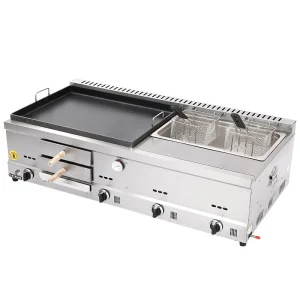
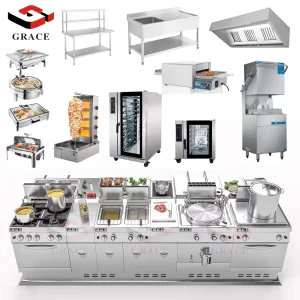
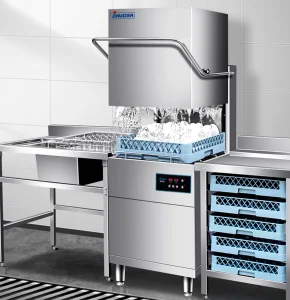
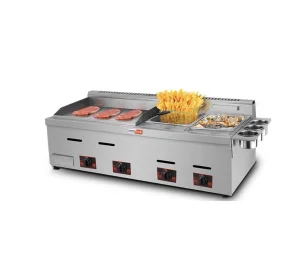
Shandong Linru Import & Export Trading Co., Ltd. is a professional enterprise integrating the production and sales of commercial kitchen equipment.
With 15 years of experience in the field, we have grown from a single line of kitchen stoves to a diversified portfolio of high-quality branded products. From the very beginning, we have been committed to improving our product quality step by step, firmly believing that only by ensuring consistent quality can we truly earn our customers’ trust and recognition.
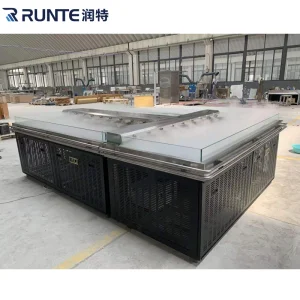
In the field of refrigeration equipment, we adhere to strict quality standards and rigorous requirements. Every product is built to meet national quality standards, customized to satisfy client needs, and crafted with attention to detail that reflects our company’s commitment to excellence.
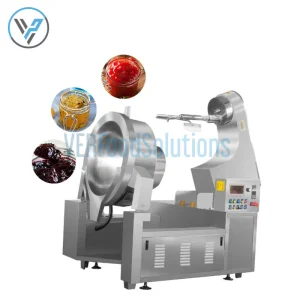
Our heating products, including stoves, have obtained full-range CCC (China Compulsory Certification). In addition, our jacketed kettles are certified not only with CCC but also with the National Pressure Vessel Manufacturing License, ensuring customers can purchase with confidence and use with peace of mind.
With 15 years of experience in commercial kitchen equipment manufacturing, Feijin Import & Export is committed to continuous product refinement, rejecting low-cost, low-quality shortcuts to ensure every piece of equipment delivers long-term stability and reliability.
For refrigeration products, Feijin Import & Export combines high standards with customization — guaranteeing full compliance with national quality standards while tailoring technical parameters to match each client’s specific application and usage environment.
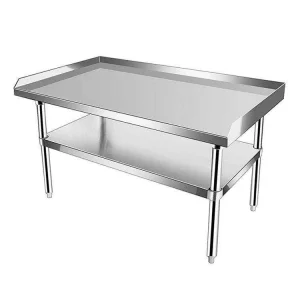
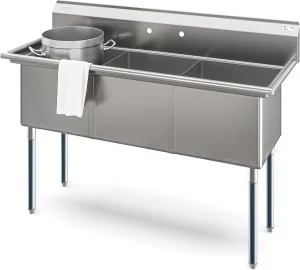
Feijin’s stainless-steel preparation equipment is built using high-grade 304 or 201 stainless steel, with meticulous attention to load-bearing design, craftsmanship, and finishing details, ensuring both durability and aesthetic excellence.
With 15 years of experience in commercial kitchen equipment manufacturing, Feijin Import & Export is committed to continuous product refinement, rejecting low-cost, low-quality shortcuts to ensure every piece of equipment delivers long-term stability and reliability.
Essential guidance for B2B buyers evaluating technical specifications, shipping rules, and custom manufacturing options.
Most portable blenders utilize high-performance lithium-ion cells (such as 18650 cylindrical batteries). Standard grade cells are rated for approximately 300 to 500 full charge-discharge cycles before capacity drops below 80% of the original rating. We mitigate degradation by incorporating premium battery management systems (BMS) with cell balancing, overcharge protection, and automatic sleep features, which extend battery lifespan by up to 25% under regular use.
We source raw copolyesters directly from Eastman (Tritan™) and high-quality stainless steel (SUS304 and SUS316) from certified metal mills. Third-party testing companies, such as SGS or TÜV Rheinland, test the completed blenders to ensure they meet FDA 21 CFR standards for North America and LFGB requirements for the European Union, preventing chemical leaching under acidic conditions.
We provide full-spectrum ODM/OEM customization. This includes custom silk-screen logos, laser engraving, bespoke packaging boxes, and custom silicone sleeves. For structural changes (such as custom liquid capacities or cup profiles), our engineering team uses Siemens UG and SolidWorks to generate 3D CAD files. Once approved, we build precise steel injection molds to produce custom components.
Our QA protocol follows the ISO 9001:2015 standard. QC processes are divided into three phases: IQC (Incoming Quality Control) for checking raw materials; IPQC (In-Process Quality Control) for testing components on assembly lines; and FQC/OQC (Final/Outgoing Quality Control) for checking finished products based on AQL 2.5/4.0 standards. Customers are welcome to conduct on-site factory audits or use third-party inspection firms (like AsiaInspection or QIMA) before shipping.
Portable blenders contain built-in lithium-ion batteries and are classified as UN 3481 (Lithium-ion batteries contained in equipment) for international shipping. Our battery packs pass UN 38.3 testing to verify structural safety under altitude pressure, vibration, temperature fluctuations, and impact conditions. We package and ship all items with MSDS reports and dangerous goods declarations to ensure smooth passage through international customs.
Premium stainless steel equipment, commercial preservation units, and industrial storage systems designed for demanding hospitality settings.
 Linru Kitchen Equipment