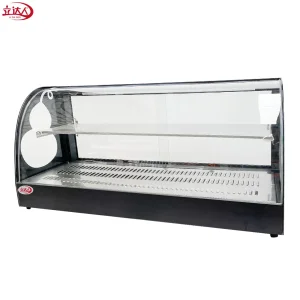
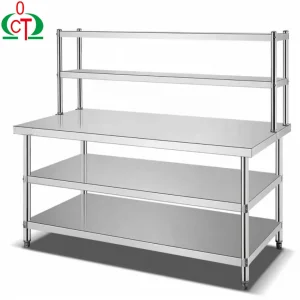
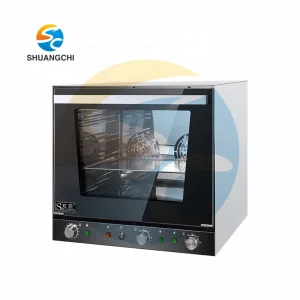
Explore our elite selection of heat preservation, processing machinery, and steel preparation platforms engineered to withstand demanding kitchen environments.
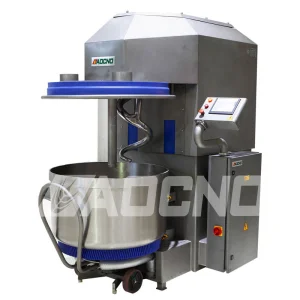
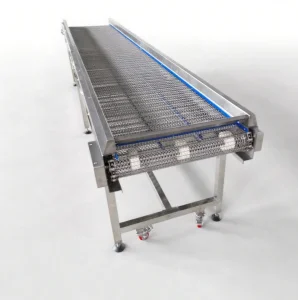
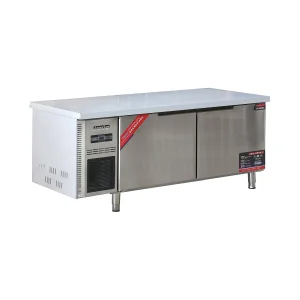
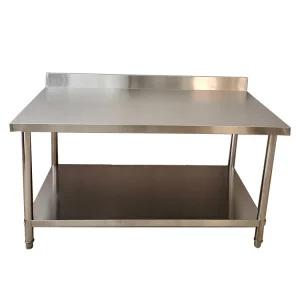
In the rapidly changing commercial and industrial food production sectors, heat transfer technology represents a core benchmark of process reliability, energy conservation, and system safety. Shandong Linru Import & Export Trading Co., Ltd. (operating globally in partnership with its manufacturing base under Feijin Import & Export) represents a 15-year standard of manufacturing excellence, technological advancement, and compliance-driven hardware delivery.
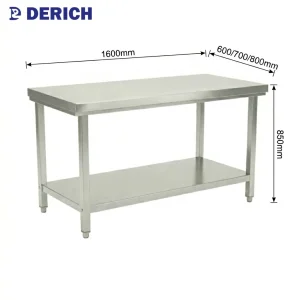
Established as a professional commercial kitchen equipment enterprise, Shandong Linru has expanded from a singular, localized focus on primary cooking ranges into a diversified, multi-disciplinary engineering entity. Today, our brand portfolio encompasses high-performance commercial refrigeration, industrial-grade forced convection ovens, automatic food processing systems, and food-grade stainless-steel sanitary workspaces.
Our core mission centers on rejecting temporary, low-cost structural designs. Instead, we invest heavily in long-term durability and advanced thermodynamics. Every thermal convection system, pressure vessel, and refrigeration unit leaving our facilities undergoes strict validation against international quality standards. This ensures high structural integrity and operational life under extreme commercial cycles.

Modern commercial convection cooking departs from classic static thermal radiation. Traditional baking models rely heavily on natural air currents, resulting in persistent cold zones, uneven moisture loss, and prolonged processing times. By contrast, advanced forced air convection relies on dynamic thermal fluid mechanics.
The core of Linru's convection systems is an advanced forced-air flow profile. High-output, balanced axial fans deliver targeted hot air through precision-machined micro-apertures in the inner oven chamber wall. This localized, constant air movement breaks down the cold boundary layer that naturally forms around raw foodstuffs.
Our design uses programmable reversing fan cycles. Automated controllers periodically reverse fan rotation, preventing uneven browning on baking trays. This avoids the manual labor and heat loss caused by opening doors to rotate trays mid-cycle.
Modern environmental regulations demand energy efficiency from commercial machinery. Linru's convection systems minimize thermal leakage through several design features:
Different food sectors require customized thermal profiles. Shandong Linru provides tailor-made heating and cooling solutions for various processing scales:
High-output baking lines need high reliability and uniform heat. Our systems integrate with spiral mesh belt lines, automated dough handling, and forming systems. Precision baking curves ensure consistent buns, toast, and pastries, matching the expectations of high-volume global bread suppliers.
For fast-food outlets, menu consistency across locations is essential. Our commercial convection ovens feature intuitive digital interfaces that support pre-programmed cooking recipes. Staff can run complex baking, frying, and roasting tasks at the push of a button, ensuring uniform food quality.
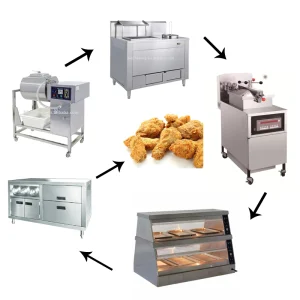
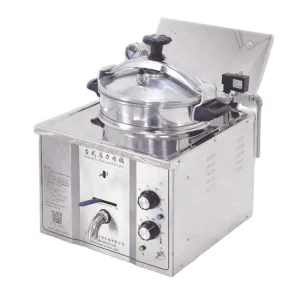
Beyond dry baking, our convection lines support multi-stage commercial frying systems. By pairing pressure frying with convection holding systems, operators can reduce energy use, extend cooking oil life, and maintain crisp textures without quality loss.
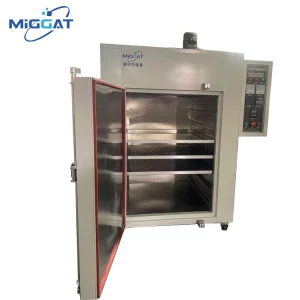
In pharmaceutical, chemical, and agricultural processing, convection ovens double as industrial dryers. Maintaining consistent temperatures is crucial for drying powders, sterilizing glass, or processing high-moisture agricultural goods. Our digital forced-convection ovens prevent heat spikes that can degrade sensitive products.
Industrial machinery must comply with local safety and engineering standards. Shandong Linru builds systems that meet global certification requirements, allowing operators to deploy our equipment with confidence.
Our complete line of heating equipment, including commercial stoves, hot-plates, and high-temperature ovens, carries full-range CCC certification. This standard guarantees that electrical components, insulation pathways, and safety systems meet strict national limits.
For pressurized systems, safety compliance is non-negotiable. Our manufacturing division holds the National Pressure Vessel Manufacturing License. This certification ensures our jacketed kettles, high-pressure fryers, and steam boilers meet strict design, welding, and pressure testing standards.
Every pressure-retaining vessel undergo non-destructive inspection, ultrasound weld testing, and hydrostatic stress checks. This ensures safe operation in high-output kitchens, protecting your facility and staff.
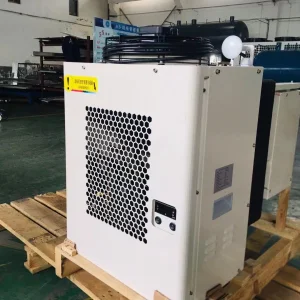
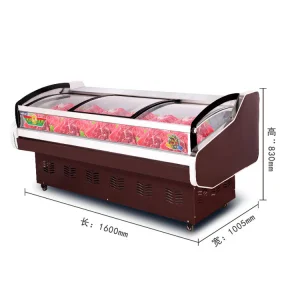
We construct our commercial cooling and warming lines in compliance with CE and FLGB standards. From refrigeration display units to butcher chillers, our hardware uses eco-friendly refrigerants and food-grade stainless steel to ensure global compliance.
Why global brands trust Shandong Linru for their commercial kitchen and industrial baking installations.
The commercial food processing industry is adopting smart technologies and eco-friendly systems. Shandong Linru is preparing for these trends with key updates to our thermal technologies:
Future convection oven models will feature smart sensors that track thermal dynamics and motor health. This telemetry uploads to cloud dashboards, allowing bakery managers to monitor baking metrics, track energy use, and schedule preventive maintenance to reduce downtime.
Using humidity and optical sensors, future ovens will adjust fan speeds, steam levels, and temperature cycles in real time. The oven automatically compensates for variable load volumes or cold products, ensuring consistent cooking results.
To support carbon reduction targets, we are developing hybrid gas-electric convection ovens. These systems balance energy use based on local utility costs and green energy availability, saving operational costs while maintaining production speeds.
Expert technical insights regarding engineering specifications, installation safety, and operation efficiency.
Heavy-duty hardware designed for high thermal stability, processing efficiency, and long-term durability.
 Linru Kitchen Equipment