In humid working environments, choosing the right kitchen gear is essential. Corrosion can quickly compromise equipment, leading to costly replacements and safety hazards. Julie Thomson, an expert in restaurant equipment, emphasizes, "Selecting materials wisely is crucial for longevity in moisture-heavy kitchens." So, how to pick corrosion-resistant kitchen gear for humid working environment?
Understanding materials is key. Stainless steel, while common, varies in quality. Look for products with high nickel and chromium content for better resistance to rust. Additionally, coatings matter. Non-reactive coatings can protect against moisture and acids.
Pay attention to maintenance needs. Regular cleaning and prompt drying can prolong the life of your kitchen gear. Remember, not all items marketed as corrosion-resistant will stand the test of time. Researching user reviews and expert recommendations is essential. Sometimes, the best options come with a higher initial investment, but they save money in the long run. Choosing wisely impacts both safety and efficiency in a humidity-prone kitchen.
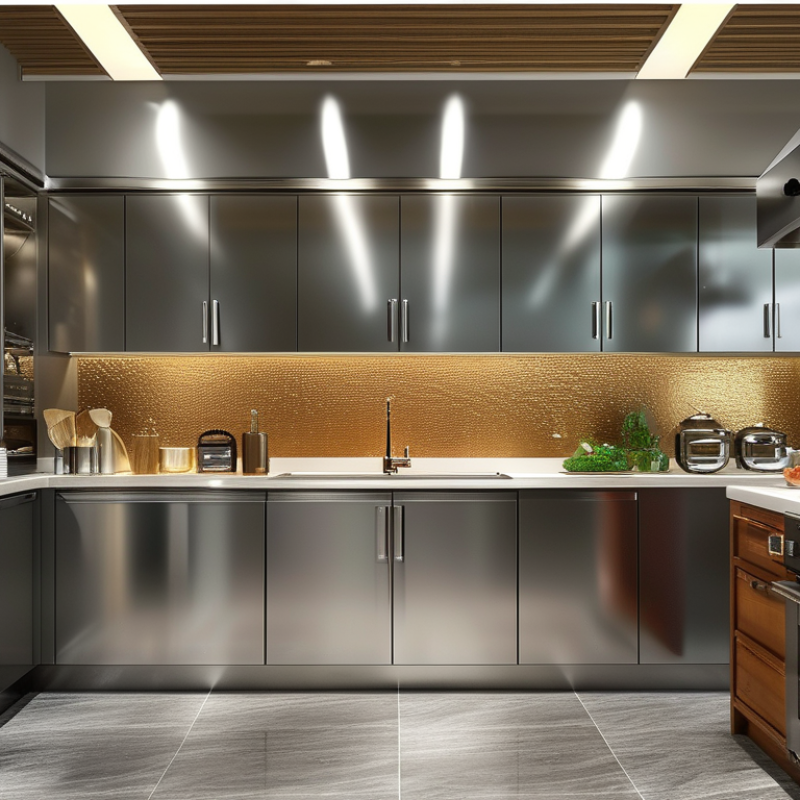
Consider the Material: Stainless Steel vs. Other Alloys
When choosing kitchen gear for humid environments, material selection is crucial.
Stainless steel is often the go-to choice.
It resists corrosion, enduring moisture without deteriorating. Unlike aluminum or other alloys, stainless steel does not react with food.
This makes it safe for cooking and storage. High-quality stainless steel can last a lifetime if maintained properly.
However, not all stainless steel is created equal. Some options have higher nickel and chromium content, improving their resistance to rust.
Ideally, look for gear labeled as “marine grade” or “corrosion-resistant.” Consider also that while stainless steel is durable, it can still scratch.
This creates tiny crevices where moisture may accumulate. Proper cleaning and drying are essential to mitigate this risk.
Other alloys might offer different benefits but often fall short in humid conditions. For instance, aluminum is lightweight but can corrode easily in damp spaces.
Non-stick coatings may peel over time, exposing the underlying metal. It's tempting to choose for convenience, but this can lead to long-term issues.
Prioritizing the right materials ensures your kitchen gear withstands humidity. It's a decision that pays off with time.
Understand the Role of Coatings in Corrosion Resistance
When selecting kitchen gear for humid environments, understanding coatings is crucial. Coatings play a significant role in preventing corrosion. They act as a barrier between metal and moisture. This reduces the risk of rust and degradation. Effective coatings can prolong the life of your kitchen equipment.
Several types of coatings can enhance corrosion resistance. Epoxy and polyurethane coatings are popular choices. They provide a strong protective layer. Also, they can withstand high humidity levels. However, not all coatings are created equal. Some may wear off over time, especially in harsh environments. Regular inspections can help identify when gear needs re-coating.
It's essential to consider how often you use your kitchen gear. High-use items require more durable coatings. Look for signs of wear after a few months of use. Don't overlook the importance of proper maintenance. Even the best coatings can fail without care. Keeping everything clean and dry minimizes corrosion risks.
Evaluate the Design for Drainage and Ventilation
When selecting kitchen gear for humid environments, design plays a crucial role. Proper drainage and ventilation are essential to prevent moisture accumulation. Equipment should allow water to escape easily, minimizing the risk of corrosion. Studies show that stagnant water can lead to increased rust formation. Ensuring that containers have drainage holes can be vital in these settings.
Consider gear with open frameworks. This promotes airflow and reduces humidity build-up. Ventilation helps dry wet surfaces and keeps appliances fresh. A report by the National Association of Home Builders indicates that proper airflow can extend the life of kitchen equipment significantly. Choose materials that naturally resist moisture, like stainless steel or composite materials, and ensure they feature designs that facilitate effective drainage.
Regular maintenance is also key. Inspect seals and joints for signs of wear. Make it a habit to wipe down surfaces after use. This practice not only prevents rust but also helps you catch potential issues early. Properly designed kitchen gear, combined with consistent upkeep, can lead to a significantly more durable and efficient kitchen environment.
10 Tips to Choose Corrosion Resistant Kitchen Gear for Humid Environments
| Tip Number |
Tip Description |
Material Recommendations |
Design Considerations |
| 1 |
Choose stainless steel for durability. |
304 and 316-grade stainless steel |
Ensure smooth surfaces to minimize moisture retention. |
| 2 |
Opt for non-porous materials. |
Ceramics and glass |
Avoid decorative elements that could trap moisture. |
| 3 |
Look for products with proper sealing. |
Sealants that are waterproof and corrosion resistant |
Ensure joints and seams are well-sealed. |
| 4 |
Consider the weight of the gear. |
Lightweight corrosion-resistant metals |
Ensure easy handling and storage. |
| 5 |
Evaluate drainage design. |
Drainage holes in sinks and prep stations |
Position holes for effective water flow. |
| 6 |
Prioritize ventilation features. |
Ventilation fans and windows |
Ensure proper air circulation to reduce humidity. |
| 7 |
Test finishes for resistance. |
Powder-coated or anodized finishes |
Avoid finishes that peel or chip easily. |
| 8 |
Evaluate ease of cleaning. |
Smooth, easy-to-wipe surfaces |
Minimize crevices and hard-to-reach areas. |
| 9 |
Research user reviews. |
Look for long-term user feedback |
Consider common issues related to corrosion. |
| 10 |
Consult industry standards. |
ISEE and NSF certifications |
Ensure compliance with safety and durability standards. |
Choose Non-Porous Materials for Easy Cleaning
Maintaining a clean kitchen in a humid environment poses unique challenges. Non-porous materials are essential for easy cleaning. Unlike porous surfaces, non-porous items resist moisture absorption, preventing mold and bacteria growth. According to a study by the National Sanitation Foundation, non-porous surfaces are 50% easier to clean than porous alternatives.
Stainless steel and glass are ideal non-porous materials. Stainless steel resists corrosion effectively due to its nickel and chromium content. These metals create a protective layer that enhances durability and hygiene. A report by Smithers Pira indicates that stainless steel kitchen gear has a lifecycle of over 20 years when maintained properly.
Even materials like silicone are gaining traction. They are flexible and do not absorb water or bacteria. However, care is needed. Some silicone products may degrade over time in high-heat conditions. It’s vital to check for any signs of wear regularly. Cleaning methods also matter. Avoid abrasive cleaners that can damage surfaces. Instead, opt for mild soap and warm water. A thoughtful approach to selecting the right materials will enhance kitchen safety and longevity.
Prioritize Brands with a Reputation for Quality and Durability
When selecting kitchen gear for humid environments, prioritizing brands known for quality is essential. Well-established manufacturers often invest in research and development, which results in better corrosion-resistant materials. They understand the unique challenges posed by moisture and humidity. Choosing such brands ensures the longevity of your kitchen tools and equipment.
Look for items made from high-quality stainless steel or treated aluminum. These materials resist rust and corrosion better in humid conditions. Furthermore, consider customer reviews and expert recommendations. These insights can highlight reliable products that have stood the test of time. However, it's crucial to be wary of marketing hype. Some brands promise durability but deliver disappointment.
Evaluate the warranty and customer service reputation. A solid warranty reflects a manufacturer’s confidence in their product. Good customer service can help you if issues arise. Remember, even trusted brands can occasionally have quality control issues. It’s wise to stay informed about any potential recalls. Research pays off in ensuring you make informed purchases that serve you well.
Corrosion Resistance Ratings of Kitchen Materials in Humid Environments
This chart illustrates the corrosion resistance ratings of various kitchen materials commonly used in humid environments. Stainless steel performs the best, while copper is the least resistant. Choosing materials with higher ratings can enhance the durability and longevity of kitchen gear.
Conclusion
When considering how to pick corrosion-resistant kitchen gear for a humid working environment, it's crucial to start by evaluating the materials used. Stainless steel is often a preferred choice due to its durability, but it’s essential to compare it with other alloys that may offer different benefits. Additionally, understanding the role of protective coatings can significantly enhance the resistance to moisture and corrosion.
Another important factor is the design of the gear, specifically regarding drainage and ventilation. Properly designed equipment helps prevent moisture accumulation, reducing the risk of corrosion. Opting for non-porous materials also simplifies cleaning processes and maintains hygiene. Ultimately, prioritizing high-quality brands known for durability can provide added assurance in choosing the right kitchen gear for humid conditions.

 Linru Kitchen Equipment