In the restaurant industry, heavy-duty kitchen equipment is vital for daily operations. According to a 2021 report by the Foodservice Equipment & Supplies Magazine, 85% of operators cite equipment maintenance as a key factor in reducing downtime. This statistic emphasizes the importance of knowing how to clean and maintain heavy-duty kitchen cooking devices regularly.
Chef Laura Jensen, an expert in commercial kitchen operations, states, “Regular maintenance is not just a task; it's an investment in your restaurant’s efficiency.” This statement highlights the long-term benefits of proper maintenance. Yet, many businesses overlook routine cleaning. A lack of diligence can lead to equipment failure, higher repair costs, and compromised food safety.
With heavy-duty appliances handling various tasks, neglect can lead to buildup and performance issues. It's crucial to establish a consistent schedule for cleaning and inspections. Implementing these practices may seem daunting, but neglecting them carries significant risks. The benefits of maintaining equipment far outweigh the challenges involved. Investing time in learning how to clean and maintain heavy-duty kitchen cooking devices regularly helps ensure a thriving kitchen environment.
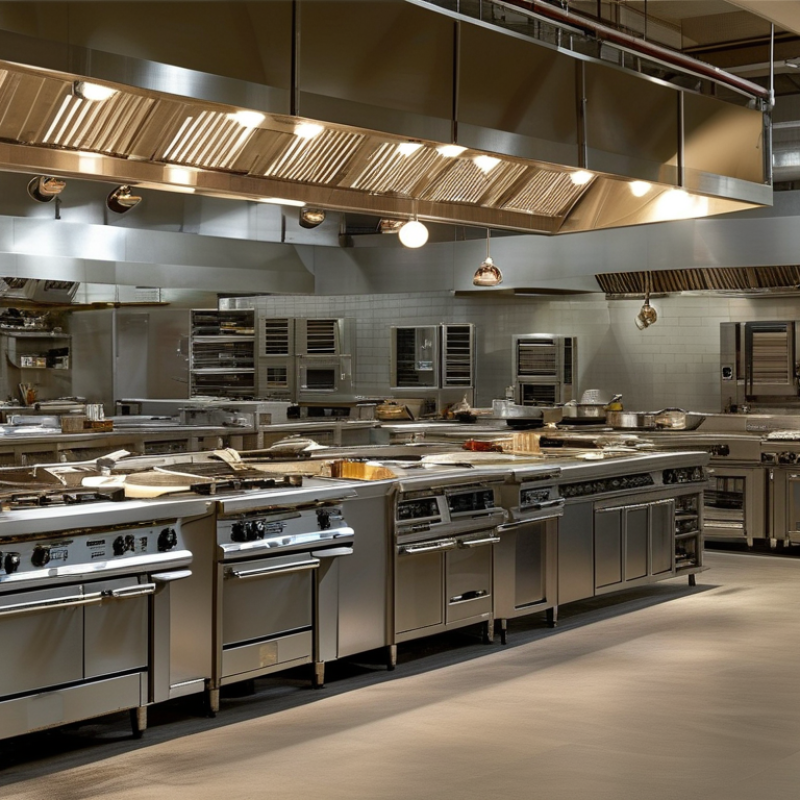
Regular maintenance of heavy-duty kitchen equipment is critical for any commercial kitchen. This practice ensures that equipment operates efficiently, reducing the risk of breakdowns. A well-maintained kitchen creates a safer work environment. Employees can focus on their tasks without worrying about sudden equipment failures.
Understanding the importance of regular maintenance involves recognizing the costs of neglect. Equipment that is not properly cleaned can accumulate grime and bacteria. This not only affects food quality but can also endanger customer health. Establishing a routine cleaning schedule can prevent long-term damage, saving money on repairs.
However, maintenance can be overlooked amid the daily rush. Many staff may forget the need for cleaning and inspection. It is essential to foster a culture where everyone understands their role in equipment care. Regular training and reminders can help reinforce this behavior. All team members should feel responsible for the cleanliness and functionality of the equipment they use.
When it comes to cleaning heavy-duty kitchen equipment, the right tools make a significant difference. Essential supplies include degreasers, scrub brushes, and microfiber cloths. These items help remove tough grime and grease effectively. According to industry reports, using professional-grade degreasers can reduce cleaning time by up to 30%. However, improper use can lead to equipment damage, showcasing the need for careful handling.
Personal protective equipment (PPE) is essential too. Gloves, masks, and aprons protect workers from potential hazards. Maintaining a clean workspace reduces contamination risks. Research shows that a sanitized kitchen environment can lower foodborne illnesses by 80%. Despite knowing the importance of cleanliness, many kitchens still overlook regular maintenance, which can result in costly repairs.
Nearly 50% of kitchen incidents stem from dirty equipment. Routine cleaning schedules can mitigate this risk. Investing in quality tools pays off. However, many operators feel overwhelmed and unsure of where to start. Focusing on essential cleaning supplies allows for better organization and efficiency. Regular maintenance checks can prevent issues before they escalate.
Cleaning heavy-duty kitchen equipment is crucial for efficiency and hygiene. Regular maintenance keeps equipment in top condition, ensuring safety in food preparation. Focus on equipment that sees the most use, like ovens and grills.
To clean ovens, start by removing racks. Soak them in warm, soapy water. Use a scraper to remove any burnt-on food. Wipe the oven interior with a damp cloth. Pay attention to corners where grease tends to hide. Tips: Schedule deep cleaning after peak hours. Always wear gloves when using chemicals.
Grills require a different approach. After cooking, scrape the grates while they’re still warm. This prevents residue from hardening. Use a grill brush for tough spots. Don’t forget the drip tray; clean it regularly to avoid smoke and flare-ups. Tips: Keep an eye out for rust. Consider using a protective spray if your grill is outside.
Mix in cleaning to daily routines to simplify the process. For refrigeration units, vacuum the coils at least once a month. Airflow is vital for efficiency. Neglecting this can lead to higher energy costs and breakdowns. Always stay aware of maintenance needs. Plan cleaning tasks and keep a checklist. This can help you stay on track and improve equipment longevity.
Cleaning heavy-duty kitchen equipment requires careful attention to prevent damage. Start by disconnecting all power sources. This simple step protects both the equipment and the user. Use soft cloths and non-abrasive cleaners. Harsh chemicals can wear down surfaces and affect functionality. When tackling stubborn stains, a gentle scrubbing pad may help, but avoid aggressive scrubbing.
Water exposure is another critical factor. Always be cautious around electrical components. Use damp cloths instead of soaking the equipment. Ensure all parts are thoroughly dried before reassembling. With sensitive equipment, such as food processors, take extra care to clean the blades safely. This ensures looming injuries are avoided.
In addition, regularly scheduled maintenance is crucial. This involves inspecting seals, hoses, and other critical components for wear. Look for rust or corrosion, as these issues can lead to bigger problems. For parts that often require replacement, keeping a stock of necessary items can save time. Regular checks can also identify potential malfunctions before they escalate, keeping operations smooth and efficient.
| Equipment Type | Recommended Cleaning Frequency | Cleaning Method | Common Mistakes to Avoid |
|---|---|---|---|
| Commercial Oven | Daily | Wipe down with mild detergent and warm water | Using harsh chemicals |
| Fryer | Weekly | Remove oil and clean interior with degreaser | Neglecting to filter oil regularly |
| Griddle | After each use | Scrape down food particles and sanitize | Using abrasive tools |
| Refrigerator | Monthly | Clean shelves with baking soda solution | Forgetting to unplug during cleaning |
| Dishwasher | Weekly | Run empty with vinegar for deep clean | Ignoring filter maintenance |
Scheduling routine maintenance for heavy-duty kitchen equipment is vital. Regular upkeep not only ensures optimal performance but also extends the lifespan of your machines. A well-maintained kitchen saves money in the long run.
Tips: Set a daily and weekly cleaning schedule. Focus on areas that experience the most use. Inspect your equipment frequently for wear and tear. Don't just trust your eyes; use a checklist to ensure no detail is overlooked.
Record keeping is essential. Document every maintenance activity. It builds a reliable history and informs future decisions. You can identify patterns or recurring issues this way. This proactive approach helps you rethink your processes.
Tips: Assign responsibilities to your team. Train them in proper maintenance techniques. They should understand the importance of caring for equipment. Encourage them to report any irregularities. Open communication makes everyone accountable for equipment care.
: Clean frequently used equipment like ovens and grills regularly. Schedule deep cleans after peak hours.
Start by removing the racks and soaking them in warm, soapy water. It helps loosen dirt.
Scrape grates while warm to prevent residue hardening. Use a grill brush for tough spots.
Vacuum the coils at least once a month to maintain airflow and prevent higher energy costs.
Disconnect power sources before cleaning. Use soft cloths and avoid harsh chemicals to prevent damage.
Use a gentle scrubbing pad instead of aggressive scrubbing. This prevents causing surface damage.
Handle sensitive equipment like food processors carefully, especially when cleaning the blades.
Create a checklist and plan cleaning tasks regularly to improve equipment longevity and performance.
Yes, be careful around electrical components. Use damp cloths and dry all parts thoroughly before reassembly.
Regular maintenance of heavy-duty kitchen cooking devices is essential for ensuring their longevity and optimal performance. Understanding the importance of this process helps in preventing costly repairs and downtime in a busy kitchen. To effectively clean and maintain heavy-duty kitchen cooking devices regularly, it is important to gather essential tools and supplies, such as non-abrasive cleaners and microfiber cloths. Following a step-by-step guide to clean common kitchen equipment, like grills and fryers, will keep the equipment in good working order.
Additionally, adopting best practices during the cleaning process is crucial to prevent damage; for instance, avoiding harsh chemicals that could harm surfaces. Scheduling routine maintenance not only extends the lifespan of the equipment but also ensures a safe and efficient kitchen environment. By mastering how to clean and maintain heavy-duty kitchen cooking devices regularly, kitchen staff can uphold the standards of cleanliness and functionality necessary for high-performance cooking.

Linru Kitchen Equipment