How to Optimize Ventilation Systems for Kitchen Equipment?

Time:2026-07-21 Author:Isabella
0%

When optimizing ventilation systems for kitchen equipment, understanding the relationship between ventilation and cooking is crucial. Chef John Smith, a leading expert in this field, emphasizes, “Proper ventilation is vital for not just air quality but also cooking efficiency.” This highlights the need for customized solutions.

How to arrange ventilation system matching with kitchen cooking equipment requires careful consideration. Each kitchen is unique, with different equipment and cooking methods. For instance, a kitchen with fryers needs stronger hoods to capture grease-laden vapors. Yet, many kitchens overlook these specifics, leading to inadequate ventilation that affects both safety and efficiency.

The complexity of this task can be daunting. It's not merely about installation but also about matching airflow rates to equipment needs. Designing an effective system often reveals gaps in current setups. Reflecting on past designs may show missed opportunities. This approach ensures that chefs can work in an environment that is safe and conducive to high-quality food preparation.
How to Optimize Ventilation Systems for Kitchen Equipment?

Understanding the Importance of Proper Ventilation in Commercial Kitchens

Proper ventilation is critical in commercial kitchens. It ensures a healthy environment for staff and enhances food safety. A poorly ventilated kitchen can lead to grease buildup, smoke accumulation, and elevated temperatures. These conditions can compromise the quality of food and create an uncomfortable workspace.

Understanding airflow dynamics is essential. Effective systems should focus on exhaust hoods and supply air. Many fail to recognize that kitchen equipment generates not just heat but also humidity. Balancing these elements is vital for compliance with health regulations. Neglecting ventilation can lead to persistent odor issues and poor air quality.

Regular maintenance of ventilation systems cannot be overlooked. Filters should be checked and cleaned frequently. Ignoring this can result in costly repairs and decreased efficiency. Staff education about the importance of proper ventilation is often lacking, leading to misunderstandings. Investing time in training can significantly improve kitchen conditions and overall performance.

Optimizing Ventilation Systems in Commercial Kitchens

Key Factors Influencing Ventilation System Performance for Cooking Equipment

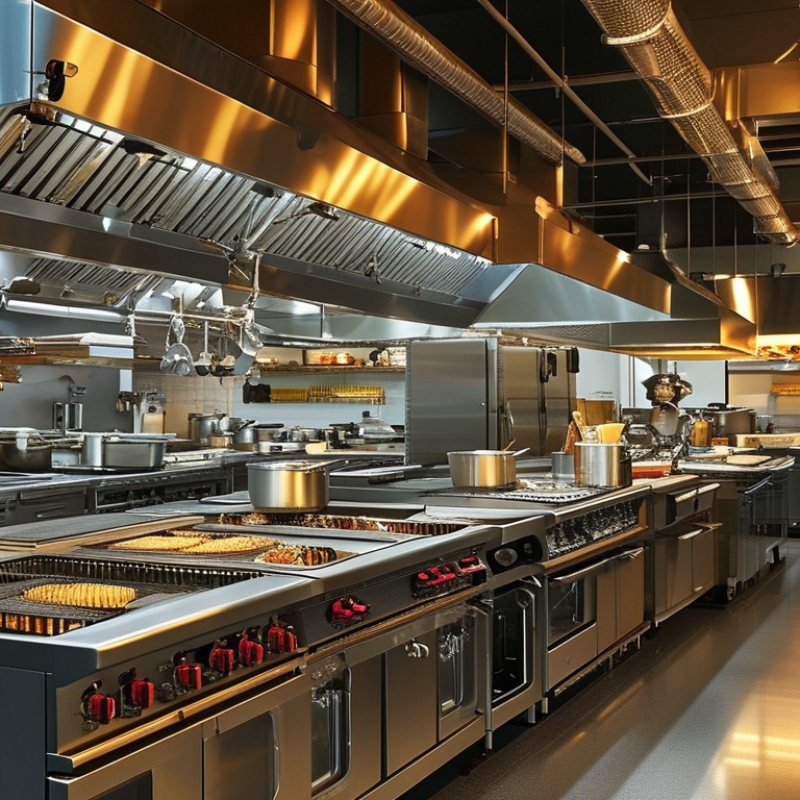
When optimizing ventilation systems for kitchen equipment, several key factors play a crucial role. Proper placement of exhaust hoods is essential. They should be positioned directly above cooking appliances to capture smoke and steam effectively. The height and angle of these hoods can significantly affect their efficiency. This means that design and installation must be thoughtful and precise.

Airflow rates are another significant element. Insufficient airflow can lead to lingering heat and odors. Moreover, excessive airflow may contribute to energy waste. Balancing these rates is challenging. Regular assessments can reveal areas needing improvement. Filters should be regularly cleaned to maintain air quality and prevent blockages.

Lastly, the type of cooking equipment impacts ventilation needs. Griddles, fryers, and ovens each generate distinct emissions. A one-size-fits-all approach won’t work. Understanding these specific requirements ensures the ventilation system operates optimally. Addressing these nuances can be a complex task, but it’s vital for kitchen safety and efficiency.

Technological Solutions for Enhancing Kitchen Airflow Efficiency

Efficient airflow in kitchen environments is essential for both safety and comfort. Technological solutions can vastly improve the performance of ventilation systems. Modern fans, sensors, and heat recovery systems are designed to enhance air circulation. Together, they keep kitchens free from grease and heat buildup over time.

One important tip is to regularly maintain your ventilation system. Dust and grease can accumulate in filters and ducts. This reduces airflow efficiency. Cleaning these components can increase both performance and energy savings.

Another key consideration is the placement of equipment. Positioning stoves and ovens strategically can optimize airflow. Proper spacing between appliances allows for better air movement. Conducting airflow tests after installation can provide insights into needed adjustments.

Finding the right balance between noise and performance is often challenging. While quieter systems are desirable, they may not always provide adequate ventilation. Analyzing airflow data helps identify if modifications are necessary. Improvement is always possible with the right approach and technology.

Regulatory Standards and Best Practices for Kitchen Ventilation Systems

In commercial kitchens, effective ventilation systems are critical for maintaining air quality and safety. According to the ASHRAE (American Society of Heating, Refrigerating and Air-Conditioning Engineers) standards, kitchen ventilation must effectively remove heat, moisture, and airborne grease. These elements pose risks both to health and fire safety. A well-designed system can improve working conditions for staff, reducing fatigue and enhancing productivity.

Proper airflow is essential. The National Fire Protection Association (NFPA) recommends specific airflow rates for different cooking equipment. For instance, hood systems should provide between 300 to 500 feet per minute of airflow at the face of the hood. Insufficient airflow can lead to grease buildup, creating fire hazards. It is also important to adhere to local building codes, which may have strict guidelines for kitchen ventilation installation and maintenance.

Regular inspections and maintenance are necessary. Dirty filters reduce efficiency and can lead to serious issues. One study highlighted that 30% of kitchen fires stem from grease accumulation due to poor maintenance. Operators should implement routine checks and encourage staff to report issues. Prioritizing compliance with regulatory standards fosters a safe kitchen environment while optimizing energy use and equipment longevity.

Evaluating Cost-Effectiveness of Ventilation Upgrades in Foodservice Operations

In foodservice operations, optimizing ventilation systems significantly impacts both performance and cost. According to a report by the Food Service Technology Center, upgrading ventilation can lead to energy savings of up to 30%. However, initial investment costs can deter many operators. The average cost of a new ventilation system can range from $5,000 to $30,000 depending on complexity.

It’s crucial to evaluate the energy consumption of existing systems. Many older models consume excessive energy, which can inflate utility bills. A study published in the Journal of Foodservice Management indicates that upgrading can reduce energy consumption by 38%. This reduction contributes to long-term savings, even if the upfront costs seem high.

Furthermore, the importance of proper ventilation extends beyond just cost savings. Poor ventilation systems can lead to safety hazards and health issues. Over time, this could result in legal implications and increased insurance costs. Regular assessments of ventilation effectiveness ensure compliance and enhance overall kitchen environments. It's a reflection of operational responsibility, balancing immediate costs against long-term benefits.

FAQS

: Why is proper ventilation critical in commercial kitchens?

: Proper ventilation ensures a healthy environment and enhances food safety. Without it, grease buildup and smoke can occur.

What can happen in a poorly ventilated kitchen?

A poorly ventilated kitchen can lead to elevated temperatures and discomfort for staff. Food quality may also suffer.

How does humidity affect airflow in kitchens?

Kitchen equipment generates humidity along with heat. Balancing these elements is vital for healthy air quality.

How often should ventilation systems be maintained?

Ventilation systems need regular maintenance. Cleaning filters regularly helps avoid costly repairs and boosts efficiency.

What technologies can improve kitchen airflow?

Modern fans, sensors, and heat recovery systems enhance air circulation. These solutions keep kitchens free from grease and heat.

How does appliance placement affect airflow?

Strategic positioning of stoves and ovens optimizes airflow. Proper spacing promotes better air movement throughout the kitchen.

What is a common issue with quieter ventilation systems?

Quieter systems might lack adequate performance. Balance between noise and airflow efficiency can be difficult to achieve.

Can staff education improve kitchen conditions?

Yes, educating staff about ventilation is often lacking. Training can significantly enhance the kitchen environment and performance.

What should be done post-installation of kitchen equipment?

Conducting airflow tests after installation is crucial. This helps identify necessary adjustments for optimal performance.

What are the consequences of neglecting ventilation?

Neglecting ventilation can lead to persistent odors and poor air quality. This not only affects comfort but also safety.

Conclusion

Proper ventilation in commercial kitchens is crucial for ensuring air quality, safety, and the efficiency of cooking operations. Understanding how to arrange ventilation system matching with kitchen cooking equipment is essential to optimize airflow and enhance overall efficiency. Key factors influencing the performance of these systems include the layout of the kitchen, the types of cooking equipment used, and the volume of cooking activities.

Technological advancements offer various solutions to improve ventilation efficiency, such as energy recovery ventilators and variable air volume systems. Moreover, adhering to regulatory standards and best practices is vital for compliance and safety. Lastly, evaluating the cost-effectiveness of ventilation upgrades can help foodservice operations make informed decisions that improve kitchen environments without incurring excessive expenses.

Isabella

Isabella

Isabella is a dedicated marketing professional with a sharp focus on driving brand growth and engagement through strategic content creation. With an extensive background in digital marketing, she combines her passion for storytelling with her keen understanding of industry trends to deliver......