In 2026, reducing kitchen energy use is no longer only about buying expensive smart appliances. It begins with daily habits, accurate settings, and honest measurement. The practical goal is clear: How to lower daily energy consumption of full set kitchen appliances without sacrificing food safety or cooking comfort. A refrigerator set near 3°C, a freezer near -18°C, and a clean condenser can reduce unnecessary workload. A full dishwasher often uses less water and energy than repeated hand washing, especially when it runs only when completely loaded.
Dr. Steven Nadel, an energy-efficiency researcher and Executive Director of the American Council for an Energy-Efficient Economy, has said, “Energy efficiency is the cheapest, cleanest, and fastest way to meet our energy needs.” His view supports a simple household strategy. Use induction heat at the lowest effective setting. Cover pots. Match pan size to the cooking zone. Choose an electric kettle for small amounts of water. Turn off coffee machines and ovens instead of leaving them warm. Smart plugs can reveal hidden standby consumption, but their readings are not always perfect. I still forget to check them.
This guide examines refrigerators, ovens, microwaves, dishwashers, ventilation hoods, and small countertop devices. It connects manufacturer guidance with real kitchen routines. Some savings will be modest. That matters too. A few watts saved overnight, repeated across every appliance, can become a visible monthly reduction. The best plan is practical, measurable, and flexible enough to survive busy evenings.
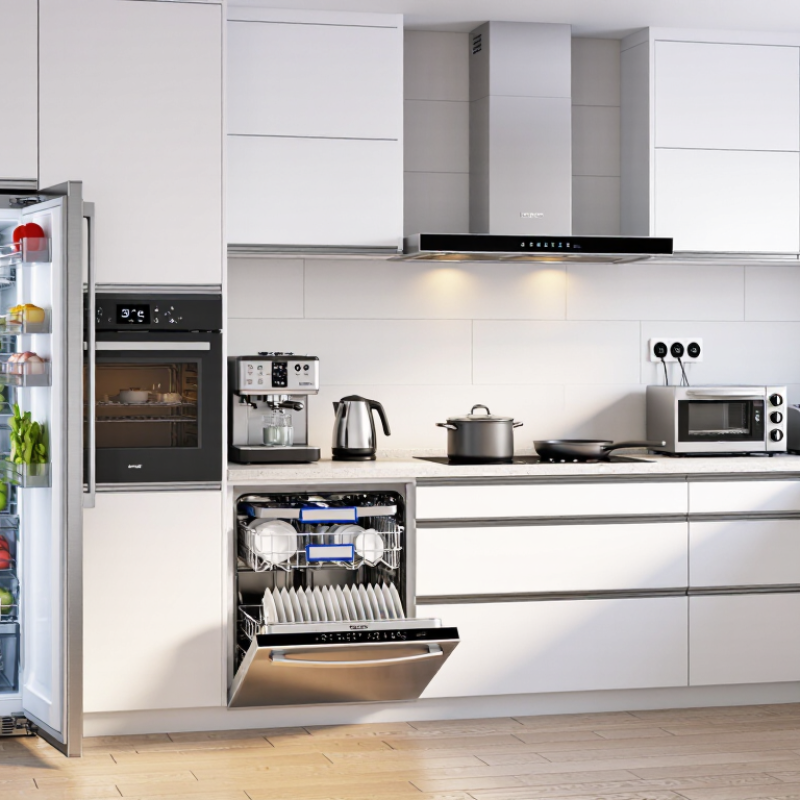
Understanding where kitchen appliances use the most energy starts with power and time. High-wattage appliances are not always the biggest daily users. An electric oven can draw substantial power while heating, especially during long cooking sessions. A kettle may use more electricity per minute, but usually runs briefly. My first estimate was wrong. I watched the meter instead of trusting appliance labels alone.
Refrigerators deserve attention because they operate day and night. Their energy use rises when doors stay open, seals weaken, or hot food enters too soon. Leave space around the vents. Check the door seal with a sheet of paper. It should resist gently. Small faults matter over months. The freezer can also work harder when thick ice covers its interior.
Dishwashers often consume energy while heating water and drying dishes. Selecting an air-dry setting can reduce the heating stage, when suitable. Running a full load usually makes better use of each cycle. Microwaves generally heat small portions efficiently, yet their short operating time can hide their high power draw. Countertop devices also use small amounts in standby mode. Individually, that seems harmless. Together, chargers, displays, and warmers can remain active for many hours. A plug-in energy meter provides a clearer picture than guesswork, although readings can vary between cooking days.
Choosing efficient kitchen appliances starts with the energy label, not the showroom sticker. Compare annual kilowatt-hours, capacity, and expected operating settings. A lower purchase price can hide higher electricity costs. I learned this after replacing an old refrigerator. Its steady hum reflected years of wasted power. Measure the cabinet space carefully. Oversized appliances consume energy unnecessarily.
For refrigerators, choose strong insulation, adjustable temperature controls, and compressors designed for variable demand. Keep clear space around ventilation openings. A crowded or overheated unit works harder. For dishwashers, compare eco-cycle electricity use and water consumption, then run full loads. Air-drying can reduce heating demand. Choose induction cooking if your home wiring supports it. Direct heat reaches pans quickly, although compatible cookware costs more. Small ovens, kettles, and rice cookers should match portion sizes. Boiling one cup in a large kettle is wasteful.
Check standby power, repair access, and warranty terms before buying. A highly rated appliance is not efficient if it fails early. Use a plug-in meter for smaller devices, because real habits differ from label tests. I still leave a freezer too full sometimes. That mistake matters. Labels are useful, but household routines decide the final bill. Compare measured use for one week, then adjust temperatures, loading, and cooking times.
Lowering daily energy use does not always require replacing an appliance. Adjusting its settings can change how often it runs and how much power it draws.
Set the refrigerator near 3–4°C and the freezer around -18°C. Colder settings usually consume more energy without protecting food better. Keep vents clear, and avoid placing hot leftovers inside. Let them cool safely first.
In my kitchen, this small habit reduced compressor activity noticeably. I still forget sometimes.
Use the dishwasher’s eco or low-temperature cycle when dishes are normally soiled. Choose a full load, but do not pack items tightly. Skipping heated drying can also reduce electricity use. For an oven, use convection when suitable and avoid opening the door repeatedly. Each opening releases heat and extends cooking time. A microwave can be more efficient for small portions, especially when reheating one bowl.
Check the appliance manual and energy label before changing advanced settings. Some models offer sleep modes, delayed starts, or adjustable temperature limits. Delayed operation may help households with time-based electricity rates, but savings depend on local pricing. Track your meter for a week before and after each change. Results can vary with room temperature, usage, and appliance age. That makes careful testing more reliable than assuming every “eco” setting saves the same amount.
How to Lower Daily Energy Use of Kitchen Appliances in 2026
Small habit changes can reduce kitchen energy use without making meals harder. Cooking with a fitted lid keeps heat inside and shortens boiling time. I use one pan for several ingredients when possible. The oven also works better when I avoid opening the door repeatedly. Each opening releases stored heat.
Cooling deserves steady attention. Keep the refrigerator near 3–4°C and the freezer near -18°C. Colder settings usually waste electricity without protecting food better. Leave space around stored items, so cool air can move freely. Let hot leftovers cool briefly before refrigeration, but do not leave them out for hours. I still forget this on busy evenings. A plug-in energy monitor can reveal surprising standby use from rarely used appliances.
Tips: Batch-cook when practical. Use smaller cooking vessels for small portions. Clean refrigerator seals with warm water and check for gaps. Choose air-drying instead of heated drying when safe. Run the dishwasher only when fully loaded, and select an efficient cycle suited to the dishes. Scrape plates instead of rinsing them under running water. Cleaning filters and vents matters too. Dust can restrict airflow and make motors work harder. A monthly check takes minutes. Some advice needs adjustment for older appliances, so compare energy readings before and after each change.
| Kitchen Appliance | Typical Rated Power or Use | Baseline Use Assumption | Energy-Saving Habit | Estimated Baseline kWh/Year |
Estimated Reduction | Estimated Annual Savings |
|---|---|---|---|---|---|---|
| Electric oven | About 2.3 kW while heating | 4 hours per week | Cook several dishes together, avoid unnecessary preheating, and switch the oven off 5–10 minutes before food is finished. | 478 | 15% | 72 kWh |
| Induction cooktop | About 1.8 kW per active cooking zone | 5 hours per week | Use a correctly sized flat-bottom pan, cover pots with lids, and select the lowest setting that maintains a simmer. | 468 | 12% | 56 kWh |
| Microwave oven | About 1.2 kW input power | 1.5 hours per week | Use the microwave for small portions and reheating instead of heating a full-size oven. | 94 | 50% | 47 kWh |
| Refrigerator-freezer | About 0.8 kWh per day | Continuous operation throughout the year | Keep the refrigerator around 3–4°C and the freezer around −18°C, allow airflow around the appliance, and clean accessible coils when required. | 292 | 8% | 23 kWh |
| Dishwasher | About 1.2 kWh per cycle | 5 cycles per week | Run only full loads, choose an eco cycle when suitable, and disable heated drying or use air-drying if available. | 312 | 20% | 62 kWh |
| Electric kettle | About 2.0 kW while heating | 1 hour per week | Heat only the amount of water needed and descale the heating element regularly in hard-water areas. | 104 | 30% | 31 kWh |
| Range hood | About 0.1 kW while operating | 7 hours per week | Use the lowest effective fan setting and switch the hood off after moisture, smoke, and odors have cleared. | 36 | 20% | 7 kWh |
| Toaster | About 1.2 kW while heating | 30 minutes per week | Toast only the required number of slices and avoid repeated heating cycles. | 31 | 15% | 5 kWh |
| Total for listed appliances | — | — | Combine the habits above and prioritize appliances with heating or continuous-cooling loads. | 1,815 | — | 303 kWh |
Daily tracking makes appliance energy use easier to understand. Record each appliance, its daily running time, and the meter reading. A plug-in energy monitor can show kilowatt-hours for a toaster oven, kettle, or refrigerator. My first tracking week was messy. I forgot two readings and estimated them later. That showed me why a fixed evening reminder matters.
Look for repeated habits, not one unusual day. A kettle used six times may consume more than a rarely used oven. Compare similar cooking tasks across several days. Keep the refrigerator door closed, check its seal with a thin sheet of paper, and remove dust from its ventilation area. Clean filters and vents according to the appliance manual. Unplug damaged cords and arrange professional service when wiring looks unsafe.
Maintenance also improves measurement accuracy. An appliance that runs longer than usual may need cleaning, airflow, or temperature checks. However, lower energy use should not reduce food safety or proper cooking. I once blamed an old freezer for high readings, but a warm kitchen was partly responsible. That mistake reminded me to record room conditions too. Review the log each month, then adjust one habit at a time. Small changes are easier to verify.
An oven can consume substantial electricity during long cooking sessions. Time matters as much as wattage.
It operates continuously. Open doors, weak seals, hot food, poor ventilation, and thick ice make it work harder.
Close the door over a sheet of paper. It should resist gently when pulled.
Not necessarily. It may draw high power briefly, while an oven runs longer. My first estimate was wrong.
Run full loads and choose air-drying when suitable. Heating water and drying dishes often require the most energy.
Usually, yes. They heat small portions quickly, but their short use can hide a high power draw.
Compare annual kilowatt-hours, capacity, operating settings, standby power, and repair access. A cheap purchase may cost more later.
Match the appliance to the portion. Boiling one cup in a large kettle wastes energy.
Chargers, displays, and warmers can remain active for many hours. Individually, their use seems small.
Use a plug-in energy meter for smaller devices. Measure one week, then adjust temperatures, loading, and cooking times. Results can vary.
Reducing kitchen energy use starts with understanding which appliances consume the most power and when they operate. How to lower daily energy consumption of full set kitchen appliances depends on choosing efficient models, using suitable capacity, and avoiding unnecessary standby time. Simple adjustments, such as selecting the correct temperature, load size, and operating cycle, can make everyday cooking, refrigeration, and cleaning more efficient without reducing convenience.
Daily habits also have a meaningful impact. Cooking with properly sized cookware, keeping refrigerator doors closed, defrosting food in advance, and running dishwashers or washing machines only with full loads can reduce wasted energy. Tracking appliance usage helps identify avoidable consumption, while regular cleaning, inspection, and maintenance keep equipment working efficiently over time. By combining thoughtful purchasing decisions, smarter settings, practical routines, and consistent maintenance, households can lower daily energy consumption, control utility costs, and support a more sustainable kitchen.

Linru Kitchen Equipment