In today's kitchen, efficiency is paramount. Appliances consume a significant portion of household energy. According to the U.S. Energy Information Administration, residential appliances and lighting account for around 20% of total energy use. Understanding how to distinguish energy-efficient and high power consumption kitchen machines is essential for both cost savings and environmental impact.
Energy-efficient appliances reduce electricity bills. The ENERGY STAR® program reports that these products can save consumers about $300 annually. Despite their higher upfront costs, their long-term benefits outweigh investments. However, many consumers still struggle to identify which kitchen machines are genuinely energy-efficient. Misleading marketing claims often blur the lines between efficiency and power consumption.
Purchasing decisions can be challenging. Consumers must consider labels, product reviews, and energy ratings. While some machines may seem efficient on paper, real-world usage often reveals inefficiencies. Relying solely on manufacturer specifications can result in regret. It's crucial to research and seek advice from trusted sources in order to make informed choices.
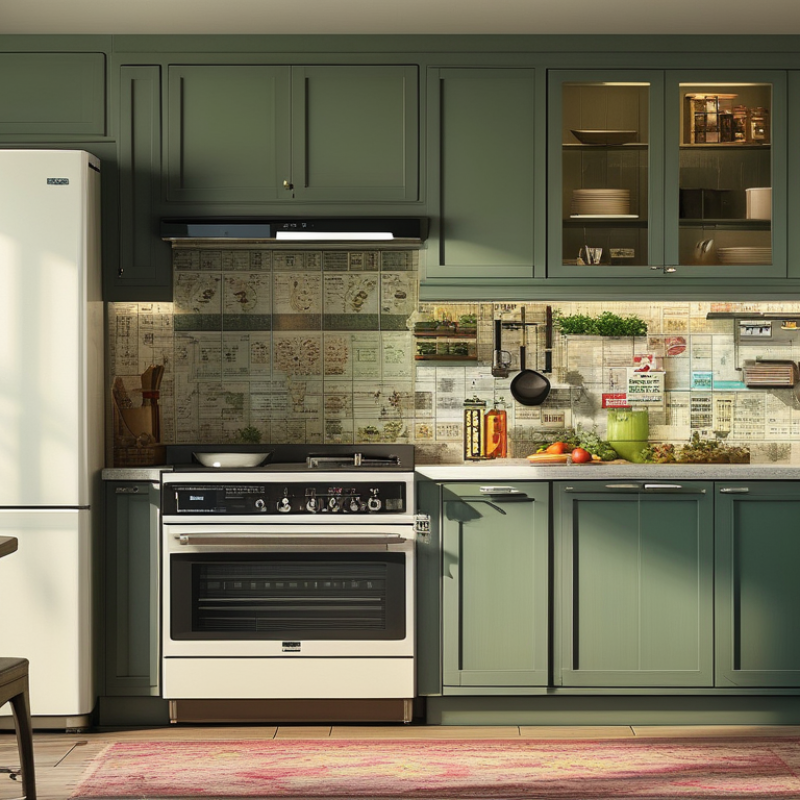
When selecting kitchen appliances, understanding energy efficiency is vital. Energy-efficient machines consume less power, which translates to lower utility bills. Look at the energy ratings provided on products. Higher ratings indicate better efficiency. Research indicates that a well-chosen appliance can reduce energy consumption by 30% or more.
Consider the type of appliance you use most. For example, a high-efficiency blender uses less energy compared to traditional models. It processes food effectively while reducing power draw. Pay attention to standby power consumption as well. Some devices continue to draw energy even when not in use. Unplugging them when they aren't needed may be necessary, although this requires diligence and habit-changing.
Evaluate the features offered. Sometimes, extra functions can lead to higher energy consumption. A food processor with multiple settings could be more versatile but may not always be the most energy-efficient option. It’s essential to balance convenience with efficiency. Use energy-saving habits, such as cooking in batches, to maximize the benefits of your appliances. Reflect on your choices and their environmental impact, as every small action can contribute to a larger change.
When choosing kitchen machines, energy efficiency is a crucial factor. Energy-efficient appliances can save homeowners up to 30% on energy costs, according to the U.S. Department of Energy. Key features often include low power consumption, standby modes, and energy star ratings. These characteristics help identify machines that reduce electricity usage while maintaining high performance.
Tips for selecting energy-efficient kitchen machines: Look for appliances with energy star certifications. Check their energy usage ratings, often found in the product specifications. Machines that offer settings to optimize performance based on usage can also contribute to lower energy consumption.
Many consumers overlook efficiency in their kitchen machines, focusing only on price or brand reputation. However, the initial investment in energy-efficient appliances can lead to significant savings over time. Moreover, opting for features like programmable timers or automatic shut-off can help cut down energy use further. Consider how often you cook and adjust your choices accordingly to maximize both efficiency and performance.
When evaluating kitchen devices, energy consumption is a key factor. Understanding power consumption ratings can help make informed decisions. Most kitchen machines are rated in watts. For example, a blender may consume around 300-600 watts, while a food processor typically uses about 500-1200 watts. These ratings provide a clear insight into expected energy use.
A recent report by the U.S. Department of Energy indicated that household appliances account for nearly 13% of total energy consumption. Within this category, most kitchen devices contribute significantly. An energy-efficient model can save consumers around $25 to $100 annually on utility bills. However, many kitchen devices tend to have higher power consumption than necessary, especially if used frequently.
Investigating the Energy Star ratings gives a clearer picture. Not all energy-efficient devices are marked, leading to confusion. Many consumers overlook the importance of proper usage. Devices that are misused or not maintained can operate less efficiently, leading to higher energy costs. Small changes, like using the right size cookware, may yield better efficiency.
In today’s kitchens, energy efficiency is a significant concern. Many households overlook energy-wasting practices that can inflate utility bills. Common issues often stem from improper usage of kitchen machines. For instance, preheating ovens for too long can waste energy. Likewise, running a dishwasher when it is only partially full leads to unnecessary energy consumption.
Another prevalent practice is leaving appliances on standby. This subtle habit can drain energy quietly and steadily. Many people also tend to ignore the importance of regular maintenance. Not cleaning filters on machines can reduce efficiency. When appliances like blenders or toasters are not used correctly, they consume more power than necessary.
Moreover, the choice of cooking methods can impact energy use. Using a large pot for a small meal may waste energy. Similarly, boiling water in an electric kettle rather than using a stovetop can sometimes be more efficient. Recognizing these everyday habits is crucial. Everyone can make small changes to foster energy-conscious cooking practices. Such adjustments can lead to significant savings over time.
When choosing kitchen appliances, energy efficiency matters. According to the U.S. Department of Energy, appliances account for about 20% of household energy use. Selecting energy-saving options can lead to significant cost savings over time. For instance, energy-efficient refrigerators use about 15% less energy than standard models. When shopping, look for the ENERGY STAR label. This certification indicates high performance and efficiency.
Consider the wattage of each appliance. High-power machines typically consume more energy. For example, blenders can range from 300 to 1,200 watts. A high wattage does not always mean better performance. Evaluate the actual needs for your cooking styles. You might not need the most powerful model for everyday tasks.
Reflect on usage patterns too. An air fryer can consume less energy than an oven for smaller meals. Choosing appliances that fit your cooking habits is vital. Alongside functionality, opt for machines that support energy-saving practices. Doing so can make a real difference in your kitchen’s energy footprint. Reducing power consumption not only saves money but also benefits the environment.
: Energy-efficient machines can save homeowners up to 30% on energy costs over time.
Look for low power consumption, standby modes, and energy star ratings.
They can significantly reduce costs, cutting energy use for appliances down to about 20% of household energy.
This label indicates that the appliance meets high performance and energy efficiency standards.
Yes, higher wattage often means higher energy consumption.
Smaller appliances like air fryers can use less energy than larger ovens for smaller meals.
They allow you to set cooking times, helping to reduce energy use.
Yes, even if they cost more upfront, they offer savings on energy bills long term.
Many focus solely on price and brands, overlooking energy efficiency.
Reflect periodically to adjust your appliance choices and maximize efficiency and performance.
In the quest to make kitchens more sustainable, understanding energy efficiency in kitchen appliances has become crucial. This article focuses on how to distinguish energy-efficient and high power consumption kitchen machines by examining their key features and comparing power consumption ratings. It emphasizes the importance of recognizing energy-wasting practices often found in kitchen use, which can significantly affect energy bills and overall environmental impact.
Furthermore, the article provides practical tips for selecting energy-saving appliances designed to minimize power consumption without sacrificing performance. By making informed choices, consumers can enhance their kitchen's efficiency and reduce their carbon footprint, leading to a more eco-friendly home.

Linru Kitchen Equipment