In the bustling environment of commercial kitchens, machinery plays a pivotal role. Understanding what factors affect the long service life of commercial kitchen machinery can significantly impact efficiency and costs. High-quality equipment is essential. However, longevity depends on various elements beyond the initial investment.
Durability is influenced by proper maintenance practices. Regular cleaning and routine inspections can prevent costly breakdowns. Over time, neglecting these tasks can shorten the lifespan of even the most robust machinery. Training staff on correct usage is equally critical. Incorrect handling can lead to premature wear and tear, which is often overlooked.
Moreover, the type of materials used in machinery construction contributes to longevity. Stainless steel and other resistant materials can withstand heavy use and corrosive environments. Lack of attention to these factors can result in unexpected failures, causing disruption in operations. Balancing cost with quality and longevity is essential for any kitchen manager aiming for efficiency.
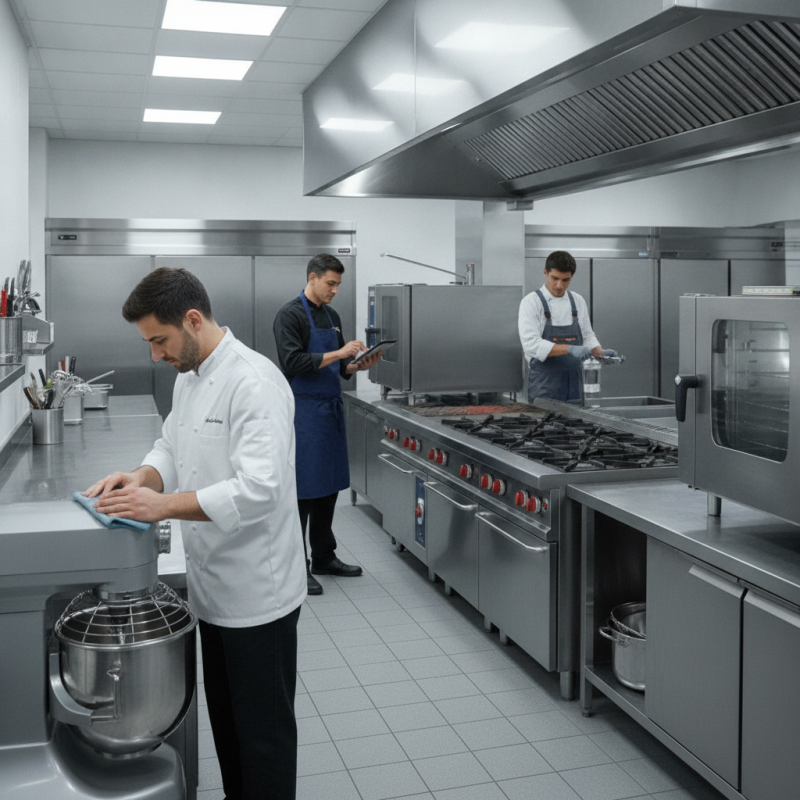
Factors Affecting Durability of Commercial Kitchen Equipment
Durability is key for commercial kitchen equipment. A report from the Food Service Equipment Journal indicates that nearly 30% of kitchen machinery failures are due to poor quality materials. Choosing equipment made from durable stainless steel can significantly enhance resilience. Well-designed equipment often integrates robust components, extending its lifespan.
Another critical factor is maintenance. Regular servicing can prevent up to 50% of equipment failures. Yet, many establishments overlook basic maintenance tasks. A survey found that 70% of kitchen managers do not schedule regular checks. This negligence can lead to costly breakdowns.
Environmental factors also play a role. High humidity and extreme temperatures can accelerate wear. According to the National Kitchen and Bath Association, moisture can corrode even sturdy materials. In many kitchens, ventilation is inadequate, creating unhealthy working conditions. These elements are often ignored, complicating the issue of equipment durability.
Importance of Material Quality in Kitchen Machinery Longevity
Material quality plays a crucial role in the longevity of kitchen machinery. High-grade materials resist wear and tear better than their inferior counterparts. Stainless steel, for example, can withstand high temperatures and heavy usage. This durability extends the life of equipment significantly. Functional components, like gears and motors, must also be made from reliable materials. Poor choices in these areas often lead to failure.
In commercial kitchens, where time and efficiency are essential, the right materials can make a significant difference. A well-constructed mixer made with robust components can run for years without failure. Conversely, low-quality machinery might break down after just a few months. Regular maintenance is also pivotal. Sometimes, even the best equipment falters without proper care.
While high-quality materials increase longevity, they can also come with higher costs. Operators must weigh the initial investment against long-term savings. It’s tempting to cut costs with cheaper options, but this often leads to more significant expenses down the line. Balancing quality and price is challenging but necessary for efficient kitchen operations. Quality does not just mean sturdiness; it also speaks to reliability and efficiency in the kitchen.
Maintenance Practices That Extend the Life of Kitchen Appliances
Regular maintenance is crucial for extending the service life of kitchen appliances. According to the International Kitchen Equipment Association, proper servicing can enhance appliance durability by up to 30%. Routine checks ensure that all components function optimally. For instance, cleaning the filters in ovens and refrigerators prevents dust buildup. This simple act can significantly improve energy efficiency.
Ignoring minor repairs can lead to bigger issues. About 20% of appliance failures stem from neglecting to replace worn-out parts. Keeping a maintenance schedule helps avoid unexpected breakdowns. A study by the National Restaurant Association found that regular inspections could save restaurants up to $2,000 annually, underscoring the financial benefits of upkeep.
Training staff on proper usage can prevent misuse. Simple steps, like avoiding overloading dishwashers or not slamming oven doors, help maintain appliances. However, not every team may be fully trained or attentive. This inconsistency can lead to wear and tear. Establishing a culture of care for kitchen tools is essential, yet many establishments overlook this critical aspect.
Technological Innovations Enhancing Kitchen Equipment Lifespan
Technological innovations play a pivotal role in enhancing the lifespan of kitchen equipment. Advanced materials, such as stainless steel and durable plastics, are increasingly used in machinery design. According to a report from the Food Service Technology Center, using high-quality materials can extend equipment life by up to 30%. These materials resist corrosion and stains, ensuring that machines perform reliably over time.
Regular maintenance is crucial, and smart technology assists in this process. IoT-enabled kitchen devices now offer real-time monitoring. These innovations can alert staff to potential issues before they escalate. A study by the National Restaurant Association indicates that predictive maintenance can reduce repair costs by nearly 25%. Proper care, combined with technological enhancements, contributes to a machine’s longevity.
However, there are challenges. The rapid pace of innovation can lead to equipment becoming obsolete quickly. Many establishments invest heavily but may not keep up with advances. This leaves them with outdated machinery that lacks efficiency. On top of that, staff training remains inconsistent across the industry. Ensuring proper use of new technologies is vital for maximizing equipment lifespan.
The Role of Usage Frequency in Equipment Wear and Tear
The frequency of usage plays a pivotal role in the wear and tear of kitchen machinery. According to a report by the Foodservice Equipment Reports, equipment used daily can experience up to 30% more wear compared to those operated less frequently. This increased usage intensity leads to faster degradation of critical components. Chefs often overlook the long-term impact of habits like overuse or neglecting regular maintenance.
Frequent usage does not automatically equate to poor performance. However, understanding the stress placed on equipment can guide operators in making informed decisions. For example, improper cleaning routines can exacerbate wear. A study by the National Association of Food Equipment Manufacturers highlights that 60% of machinery failures stem from inadequate maintenance practices.
**Tip: Implement a maintenance schedule tailored to your equipment's usage rate.** Regular checks can extend the lifespan of your kitchen tools significantly. Over time, even minor adjustments can lead to vast improvements in performance.
Not all kitchens operate the same way. High-volume environments may notice equipment lifetime reductions. Conversely, equipment in less demanding settings might last longer. Recognizing these nuances can be indicative of significant savings.
**Tip: Consider investing in training for your staff.** Ensuring they understand proper usage and maintenance can lead to fewer breakdowns and a healthier bottom line. Equipment longevity is an evolution of awareness and careful practice.
Factors Influencing Long Service Life of Kitchen Machinery
FAQS
: High-grade materials resist wear and tear better than inferior ones. This increases equipment longevity significantly.
Regular maintenance can enhance durability by up to 30%. It ensures that all components function optimally.
Ignoring minor repairs and neglecting replacements can lead to larger issues. About 20% of failures result from this neglect.
Daily equipment usage can lead to 30% more wear. Overuse and neglecting maintenance exacerbate this wear.
Yes, while they may cost more initially, they often lead to fewer significant expenses. It's about balancing quality and price.
Training staff to avoid overloading and ensuring proper usage can prevent wear. Inconsistency in practices can lead to damage.
Regular inspections can save restaurants up to $2,000 annually. A schedule avoids unexpected breakdowns and enhances appliance life.
Yes, tailoring maintenance to usage frequency can extend equipment lifespan. Regular checks lead to substantial performance improvements.
Well-trained staff can significantly reduce breakdowns. Understanding proper usage fosters a culture of care for kitchen tools.
Overuse and poor maintenance habits can lead to faster degradation. Awareness of these habits is crucial for equipment longevity.
Conclusion
Understanding what factors affect the long service life of commercial kitchen machinery is crucial for ensuring operational efficiency and cost-effectiveness in the food service industry. Several key elements play a significant role in determining the durability of kitchen equipment. First, the quality of materials used in manufacturing is paramount; high-grade materials can withstand the rigors of daily use and prevent premature wear.
Additionally, regular maintenance practices are essential for extending the lifespan of kitchen appliances, as they help identify potential issues before they escalate. Technological innovations also contribute significantly to increasing the longevity of kitchen equipment, with advancements continually enhancing durability and performance. Lastly, the frequency of usage directly correlates to the rate of wear and tear on machinery, underscoring the importance of mindful usage in preserving equipment life. By addressing these factors, commercial kitchen operators can effectively maximize the service life of their equipment.

 Linru Kitchen Equipment