How to evaluate stainless steel quality for kitchen fittings?

Time:2026-06-10 Author:Liam
0%

When selecting kitchen fittings, understanding the material is crucial. Stainless steel is a popular choice, but not all are created equal. Knowing how to judge stainless steel material quality of catering kitchen fittings can aid in making informed decisions.

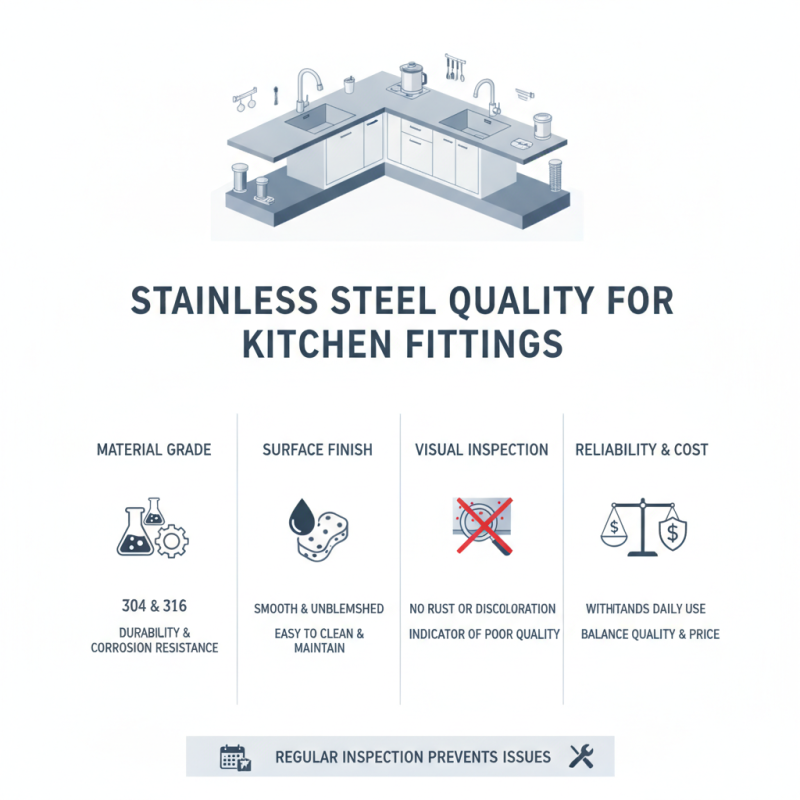
Evaluating stainless steel involves considering various factors. Look for grades like 304 or 316 for durability and resistance to corrosion. The finish matters too; a smooth surface is easier to clean and maintain. Pay attention to any signs of rust or discoloration. These blemishes may indicate poor quality.

In a busy kitchen, reliability is essential. High-quality stainless steel can withstand daily wear and tear. However, some cheaper options may seem attractive but could tarnish quickly. It is important to balance cost and quality. Reflect on how often you actually check the fittings. Regular inspection can prevent bigger issues later.
How to evaluate stainless steel quality for kitchen fittings?

Understanding Stainless Steel Grades for Kitchen Fittings

When evaluating stainless steel quality for kitchen fittings, understanding the different grades is essential. Common grades include 304 and 316. Grade 304, known for its corrosion resistance, is often used in residential kitchens. It performs well under typical cooking conditions. However, it may not endure extreme environments, such as salty or acidic exposure.

Grade 316 offers enhanced resistance to corrosion, making it ideal for marine or industrial applications. This grade contains molybdenum, which boosts its durability. Kitchen fittings made from 316 stainless steel are durable, but they can be more expensive. Sometimes, manufacturers may blend grades to cut costs, affecting quality. Always check for certification.

Look for visible signs of quality. A smooth finish often indicates better craftsmanship. Joints should be seamless, for strength and durability. Be wary of thin materials that may warp. Consider how your fittings will face daily use. Reflect on the balance between aesthetics and functionality. Ultimately, understanding these grades can lead to more informed choices for your kitchen.

Identifying Key Properties of Stainless Steel in Kitchen Applications

When evaluating stainless steel for kitchen fittings, it’s crucial to understand its essential properties. Corrosion resistance is a primary factor. A high-quality stainless steel will not rust easily, even in a humid kitchen environment. Look for grades like 304 or 316, which offer excellent resistance to oxidation and degradation. The right choice can ensure the longevity of your kitchen fixtures.

Another key property is durability. Stainless steel should withstand daily wear and tear. It should resist scratches and dents from utensils and appliances. Pay attention to the gauge thickness—thicker materials are often more robust. Also, consider the finish. A brushed or polished surface can enhance both appearance and function. However, be wary of overly shiny finishes, as they may show fingerprints and scratches more easily.

Lastly, evaluate the alloying elements. The presence of nickel and chromium can influence corrosion resistance and strength. Higher nickel content often indicates better durability. Despite these factors, not all stainless steel is created equal. Sometimes, a more affordable option may not perform as expected. Always research and consult with experts to ensure you're making the best choice for your kitchen.

How to evaluate stainless steel quality for kitchen fittings? - Identifying Key Properties of Stainless Steel in Kitchen Applications

Property Description Typical Values
Corrosion Resistance Ability to withstand corrosion from moisture and acidic substances. Excellent (Grade 304 and 316)
Durability Ability to resist wear and tear over time. High (up to 50 years)
Hygiene Non-porous surface that prevents bacteria growth. Very High
Heat Resistance Ability to withstand high temperatures without deformation. Up to 870°C (1600°F)
Aesthetic Appeal Visual property that enhances the appearance of kitchen fittings. Varies (Brushed, polished)
Cost The expense associated with purchasing stainless steel products. Moderate to High

Assessing Corrosion Resistance in Stainless Steel Kitchen Fixtures

When evaluating stainless steel for kitchen fittings, assessing corrosion resistance is crucial. Stainless steel is an alloy that typically contains chromium, which gives it the ability to resist rusting and corrosion. However, not all stainless steel is created equal. The specific grade of stainless steel significantly influences its corrosion resistance. Higher grades, such as 316, are better suited for kitchens with high humidity and exposure to various cleaners.

Regular inspections are vital to ensuring longevity. Look for any signs of pitting or discoloration. These issues can indicate a weakness in the stainless steel's protective layer. Even minor scratches can lead to rust over time, especially in lower-quality steel. It's essential to maintain the surface by cleaning it regularly with appropriate, non-abrasive cleaners.

Additionally, be cautious about installation methods. Poor installation can expose seams and joints, creating weak points. Often, these areas are prone to moisture retention, increasing the risk of corrosion. Emphasizing proper installation and regular maintenance can make a significant difference in the lifespan of kitchen fixtures. Remember, not all that glimmers is resistant to corrosion; it’s crucial to stay informed and attentive.

Corrosion Resistance of Various Stainless Steel Grades

This bar chart compares the corrosion resistance of different stainless steel grades commonly used in kitchen fittings. The grades included are 304, 316, 430, and 201, with their respective corrosion resistance ratings measured in terms of performance in saline solutions.

Evaluating Durability and Strength of Stainless Steel Materials

Evaluating the durability and strength of stainless steel materials is crucial for kitchen fittings. The quality of stainless steel can vary significantly depending on its alloy composition. For instance, grades like 304 and 316 are commonly utilized in kitchen applications due to their resistance to corrosion and high tensile strength. According to industry reports, Type 316 stainless steel offers better corrosion resistance than Type 304, especially in chloride environments. This is vital for kitchen environments where moisture and food particles are present.

Mechanical properties are essential when assessing stainless steel. Tensile strength is a key indicator of how well the material will withstand stress. For example, Type 304 typically has a yield strength of around 215 MPa, while Type 316 can reach up to 290 MPa. Understanding these values helps in selecting the right material for high-use areas. A material's hardness can also affect its longevity; a Rockwell hardness rating can give insights into how resistant the steel is to scratching and denting.

Despite these advantages, not all stainless steel is created equal. Cheaper alternatives might look appealing but often lack essential certifications. Quality assurance documents can be beneficial for verification. It’s imperative to scrutinize specifications and seek third-party testing results. These measures contribute to a more informed choice, ensuring that kitchen fittings not only look good but also stand the test of time.

Recognizing Certifications and Standards for Quality Assurance

When evaluating stainless steel quality for kitchen fittings, certifications and standards play a crucial role. Different regions have their specific standards. For example, the American Society for Testing and Materials (ASTM) provides guidelines for stainless steel. Adherence to these standards ensures a level of quality and durability. certifications like ISO 9001 indicate a manufacturer's commitment to quality management. Look for products that display these marks.

Another common standard is the AISI grade system. Stainless steel types like 304 and 316 have well-defined properties. Type 304 is suitable for most kitchen fittings. Type 316 offers better corrosion resistance, especially in coastal areas. Recognizing these grades helps buyers make informed choices.

It’s also essential to verify documentation from manufacturers. Certifications may vary in authenticity. Some products may claim high standards without rigorous testing. Researching and asking for proof of compliance is vital. Engaging in this due diligence helps avoid subpar materials that may lead to premature wear. Reflecting on these aspects can enhance your overall kitchen experience.

FAQS

: What should I consider when assessing corrosion resistance in stainless steel kitchen fixtures?

: Corrosion resistance varies by grade. Higher grades, like 316, are better for humid conditions.

How can I ensure the longevity of stainless steel fixtures?

Regular inspections for pitting or discoloration are crucial. Clean with non-abrasive cleaners frequently.

What installation methods are best for avoiding corrosion?

Ensure proper installation to protect seams and joints, avoiding moisture retention at these weak points.

How does tensile strength affect material selection?

Higher tensile strength is better for stress resistance. Type 316 has superior strength compared to Type 304.

Why are certifications important when choosing stainless steel?

Certifications ensure quality and durability. They indicate adherence to recognized standards like ASTM and ISO.

How can I verify the authenticity of stainless steel certifications?

Always ask for documentation. Research the manufacturer's claims to ensure compliance with quality standards.

What are common grades of stainless steel for kitchen applications?

Grades 304 and 316 are popular. Type 316 is particularly good for areas prone to corrosion.

How can scratches affect stainless steel fixtures?

Minor scratches can lead to rust over time, especially in lower-quality materials. Regular maintenance is essential.

What does Rockwell hardness indicate?

Rockwell hardness measures scratch and dent resistance. Higher ratings suggest greater durability for kitchen fittings.

What should I reflect on before making a purchase?

Consider the quality, durability, and certification of materials. Avoid low-quality alternatives that seem appealing at first.

Conclusion

When evaluating the quality of stainless steel for kitchen fittings, it is essential to understand the different grades of stainless steel available. Each grade possesses unique characteristics that affect its suitability for kitchen applications. Key properties to consider include corrosion resistance, which is vital for maintaining hygiene and reducing maintenance needs, as well as durability and strength, ensuring that the fittings can withstand everyday use without compromising performance.

Moreover, recognizing relevant certifications and standards can provide an added layer of quality assurance. Understanding these factors is crucial for effectively determining how to judge stainless steel material quality of catering kitchen fittings. By assessing these elements, one can make informed decisions that enhance both functionality and longevity in a commercial kitchen setting.

Liam

Liam

Liam is a dedicated marketing professional with a profound expertise in the industry, where he excels at highlighting the unique advantages of our core products. With a keen understanding of market trends and consumer needs, Liam frequently updates our company’s professional blog, providing......