10 Essential Tips to Comply with Local Food Safety Standards

Time:2026-07-06 Author:Henry
0%

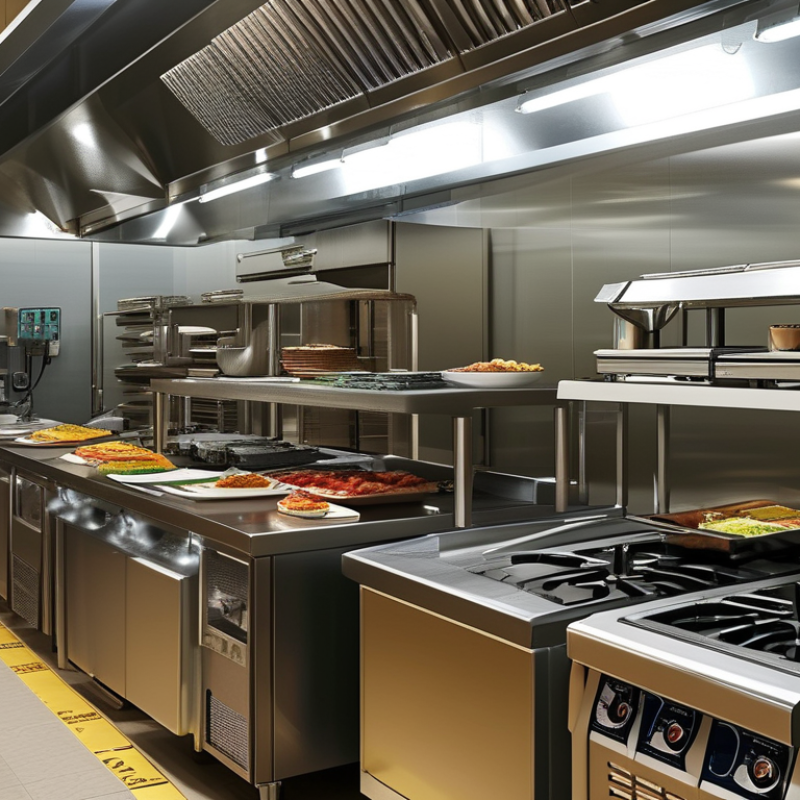
Food safety is a critical concern for anyone operating within the culinary industry. Compliance with local food safety standards protects not only businesses but also the health of customers. Understanding how to meet local food safety rules with selected commercial kitchen appliances is essential for this mission. By using the right equipment, kitchens can streamline food preparation and storage while adhering to regulations.

Choosing appropriate appliances can greatly influence compliance. For instance, a high-quality food thermometer ensures proper cooking temperatures. Likewise, a reliable refrigeration unit maintains safe food storage. Each piece of equipment matters. However, the challenge often lies in understanding local requirements. Not every kitchen appliance supports compliance equally. Some may have hidden pitfalls that lead to violations.

While these appliances can enhance safety, training staff is also vital. Proper use ensures appliances contribute to a safe environment. Neglecting staff education can lead to mistakes, compromising safety. Regularly reviewing equipment functionality is crucial. The right approach combines reliable appliances with skilled personnel. This way, businesses can confidently navigate local food safety standards.
10 Essential Tips to Comply with Local Food Safety Standards

Understanding Local Food Safety Standards

Understanding local food safety standards is crucial for any food business. These standards protect consumers and ensure food quality. Compliance begins with knowing the regulations in your area. Each jurisdiction may vary, from temperature controls to handling procedures, so research is key.

Training staff on safe food practices is essential. Employees should understand cross-contamination and hygiene. Regular training sessions can reinforce these principles. Additionally, routine audits help identify weaknesses in compliance. If gaps are found, address them promptly to improve safety protocols. These proactive measures can prevent costly violations.

Following local standards builds trust within the community. It's not just about avoiding fines; it's about ensuring the health of your customers. Engaging with local health authorities can provide clarity on the latest guidelines. Always be open to feedback, and be willing to adapt. This commitment to safety reflects well on your business.

Identifying Key Food Safety Regulations for Your Area

Understanding food safety regulations is crucial for any food-related business. Local laws can vary significantly. Therefore, it is essential to research regulations in your area. Many cities have specific guidelines for food handling, storage, and sanitation. Ignoring these can lead to severe consequences.

To start, consult your local health department. They can provide resources on proper food safety practices. Visit their website or contact them directly. It’s a straightforward step that often goes overlooked. Consider attending local workshops or seminars. These not only offer insights into compliance but also enhance your network.

Remember, regulations can change. Staying updated is vital. Follow industry news and join professional groups. Engage with other food business owners. Sharing experiences is helpful. Reflect on what works and what doesn’t. Adjust your practices accordingly. Embrace learning as part of your journey. Complying with local food safety standards is not just about following rules. It’s about ensuring the well-being of your customers.

Implementing Effective Food Handling Procedures

Effective food handling procedures are crucial in maintaining local food safety standards. According to the U.S. Centers for Disease Control and Prevention (CDC), an estimated 48 million people fall ill from foodborne illnesses each year. Businesses can significantly reduce this risk by implementing precise food handling practices. This includes proper handwashing, using disinfectants, and proper food storage.

One critical aspect is temperature control. The U.S. Food and Drug Administration (FDA) recommends keeping perishable foods at or below 40°F. Regularly checking these temperatures can prevent bacterial growth. Staff training on these procedures is vital, yet many establishments report inconsistencies in adherence. A study found that 70% of food workers didn't practice proper handwashing techniques.

Proper food handling also includes regular cleaning of work surfaces. Using separate cutting boards for raw meat and vegetables can prevent cross-contamination. Yet, many find this practice burdensome and inconsistent. A consistent review and reinforcement of these practices are necessary to improve compliance and ensure food safety. With millions affected yearly, the stakes are high. Implementing systematic food handling procedures is not just necessary; it’s imperative.

10 Essential Tips to Comply with Local Food Safety Standards

Regular Training for Staff on Food Safety Practices

Regular training for staff on food safety practices is crucial. Every member of the team plays a role in ensuring that food is safe for consumption. Engaging training sessions can enhance knowledge about hygiene, cross-contamination, and safe food handling. These sessions should not be infrequent or overlooked. Real-life scenarios would make the training more relatable and impactful.

Consider using visual aids like posters in the kitchen. They can serve as constant reminders for employees. Momentary lapses in awareness can lead to serious risks. Mistakes in food preparation can be costly. Encourage staff to ask questions and share experiences during training. This interaction fosters a better understanding of food safety standards.

Evaluate the effectiveness of training regularly. Are employees retaining important information? Conduct surprise quizzes to gauge their knowledge. Recognize that training sessions may not address every concern. Continuous improvement is necessary. Engage with staff for feedback on training methods. Their insights can lead to better strategies for education and compliance.

Conducting Routine Inspections and Record Keeping

Routine inspections and diligent record-keeping are crucial for maintaining food safety standards. Regular checks can help identify potential hazards before they become serious issues. Create a systematic approach for inspecting food storage areas, prep stations, and equipment. These inspections should occur frequently, varying from daily to weekly, depending on the size of your operation. Remember, consistency is key.

Proper documentation of these inspections is equally important. Maintain detailed logs that reflect your findings. This helps track compliance over time. Use a simple checklist for each area inspected. Include dates, observations, and corrective actions taken. Such records can build a foundation of accountability and transparency. A well-organized system can also facilitate training staff on best practices.

Mistakes can happen. A lack of attention during inspections may lead to unnoticed problems. Reflect on past inspections to improve future ones. It’s essential to ask staff how they feel about the process. Encourage them to share thoughts on inspections and record-keeping. Learning from these reflections can enhance overall food safety and ensure a safer environment for both staff and customers.

10 Essential Tips to Comply with Local Food Safety Standards - Conducting Routine Inspections and Record Keeping

Tip Number Tip Description Frequency of Inspections Record Keeping Method Responsible Personnel
1 Ensure all food storage areas are clean and organized. Weekly Digital logbook Kitchen Manager
2 Monitor food temperature in refrigerators and freezers. Daily Temperature recording sheets Food Safety Officer
3 Check food expiration dates regularly. Bi-weekly Manual review log Stock Supervisor
4 Conduct training for staff on food safety practices. Monthly Training attendance records HR Manager
5 Maintain a checklist for cleaning schedules. Daily Digital maintenance log Cleaning Supervisor
6 Implement cross-contamination prevention strategies. Ongoing Incident report documentation Store Manager
7 Ensure proper disposal of food waste and recycling. Weekly Waste management log Facility Coordinator
8 Inspect equipment for cleanliness and functioning. Monthly Equipment inspection reports Maintenance Team
9 Document all food safety incidents and resolutions. As needed Incident report file Food Safety Officer
10 Regularly review and update food safety policies. Quarterly Policy update log Management Team

FAQS

: Why are local food safety standards important?

: They protect consumers and ensure food quality in your business.

How can I ensure compliance with food safety regulations?

Research local regulations and train staff on safe food practices.

What should staff know about safe food practices?

They must understand cross-contamination and hygiene to maintain safety.

How often should I conduct training sessions?

Regular training reinforces safety principles and helps prevent violations.

What should I do if I find compliance gaps?

Address them promptly to improve safety protocols and protect customers.

How can I stay updated on food safety regulations?

Follow industry news, consult health departments, and engage with other owners.

Why is engaging with local health authorities beneficial?

They provide clarity on guidelines and help ensure compliance.

What role do audits play in food safety?

Routine audits help identify weaknesses and strengthen compliance efforts.

How can food businesses build trust in the community?

By consistently adhering to local standards and prioritizing customer health.

What mindset should businesses adopt regarding food safety?

Embrace learning, adapt practices, and reflect on experiences for improvement.

Conclusion

To effectively meet local food safety rules, it is crucial to first understand the specific food safety standards that apply to your region. This includes identifying key regulations and ensuring that your establishment complies with them. Implementing effective food handling procedures is essential, as it helps maintain hygiene and reduces the risk of foodborne illnesses. Additionally, providing regular training for staff on food safety practices equips them with the knowledge necessary to adhere to these standards.

Routine inspections and meticulous record keeping further support compliance efforts. Utilizing selected commercial kitchen appliances can streamline these processes, ensuring that food is prepared safely and efficiently. By prioritizing these essential tips, you can establish a compliant and safe food environment while optimizing your operations. Adhering to these guidelines not only protects public health but also enhances your establishment's reputation.

Henry

Henry

Henry is a dedicated marketing professional with a profound expertise in the company's offerings. With years of experience in the industry, he possesses an impressive understanding of the market dynamics and consumer behaviors that drive success. Henry is committed to sharing his insights through......